Creating a comprehensive and accurate Annual Health and Safety Report is a critical undertaking for any organization committed to protecting its employees and maintaining a safe working environment. A well-structured report not only demonstrates compliance with regulations but also provides valuable insights into potential hazards and proactive measures to mitigate risks. This guide provides a detailed overview of the key components and best practices for developing a robust Annual Health and Safety Report Template. The core of this template focuses on systematically documenting safety incidents, hazards, and control measures, ultimately fostering a culture of safety throughout the organization. Annual Health and Safety Report Template is more than just a document; it's a proactive tool for continuous improvement.
Understanding the Importance of a Robust Report
The benefits of a meticulously crafted Annual Health and Safety Report extend far beyond simple regulatory compliance. A strong report serves as a vital communication tool, fostering transparency, accountability, and employee engagement. It allows organizations to:
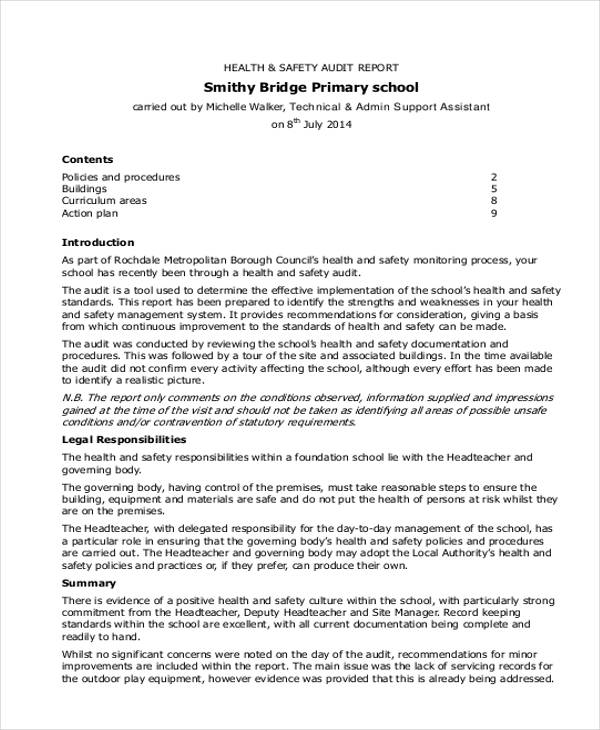
- Identify and Address Hazards: The report facilitates the identification of potential hazards across all operational areas, from manufacturing processes to office environments.
- Track Incident Trends: Analyzing past incidents and near misses provides valuable data for identifying recurring issues and implementing preventative measures.
- Demonstrate Compliance: A complete and accurate report provides evidence of adherence to relevant regulations and standards.
- Improve Employee Awareness: Sharing the report with employees reinforces safety awareness and encourages participation in safety initiatives.
- Support Risk Assessments: The report forms the basis for ongoing risk assessments, ensuring that safety controls remain effective.
Core Components of an Annual Health and Safety Report Template
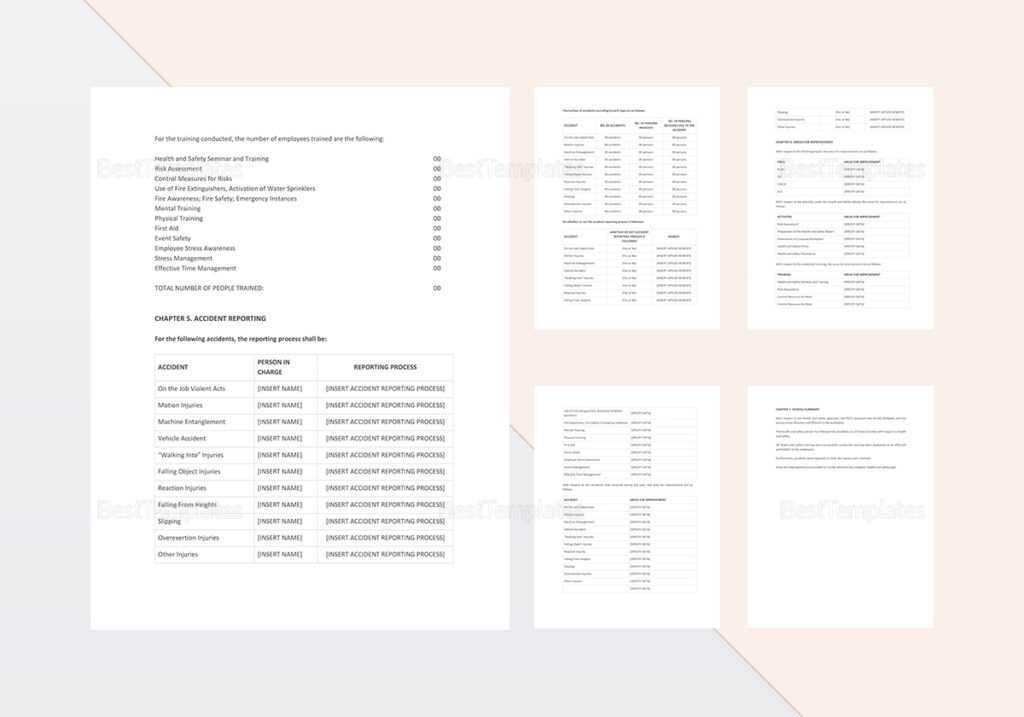
A successful Annual Health and Safety Report Template typically includes the following key sections:
- Executive Summary
- Hazard Identification and Risk Assessment
- Incident Reports
- Near Miss Reporting
- Control Measures and Recommendations
- Training and Awareness
- Appendices
1. Hazard Identification and Risk Assessment
The initial phase of the report is dedicated to identifying potential hazards within the organization. This process should involve a systematic approach, utilizing techniques such as:
- Job Hazard Analysis (JHA): For each job task, a JHA identifies potential hazards and the steps required to mitigate them.
- Process Hazard Analysis (PHA): For complex processes, a PHA identifies potential deviations from normal operating conditions that could lead to hazards.
- Workplace Inspections: Regular inspections should be conducted to identify hazards that may have been overlooked.
- Employee Feedback: Encouraging employees to report hazards and near misses is crucial for identifying potential issues.
The risk assessment process should evaluate the likelihood of each hazard occurring and the severity of its potential consequences. This assessment should consider factors such as:
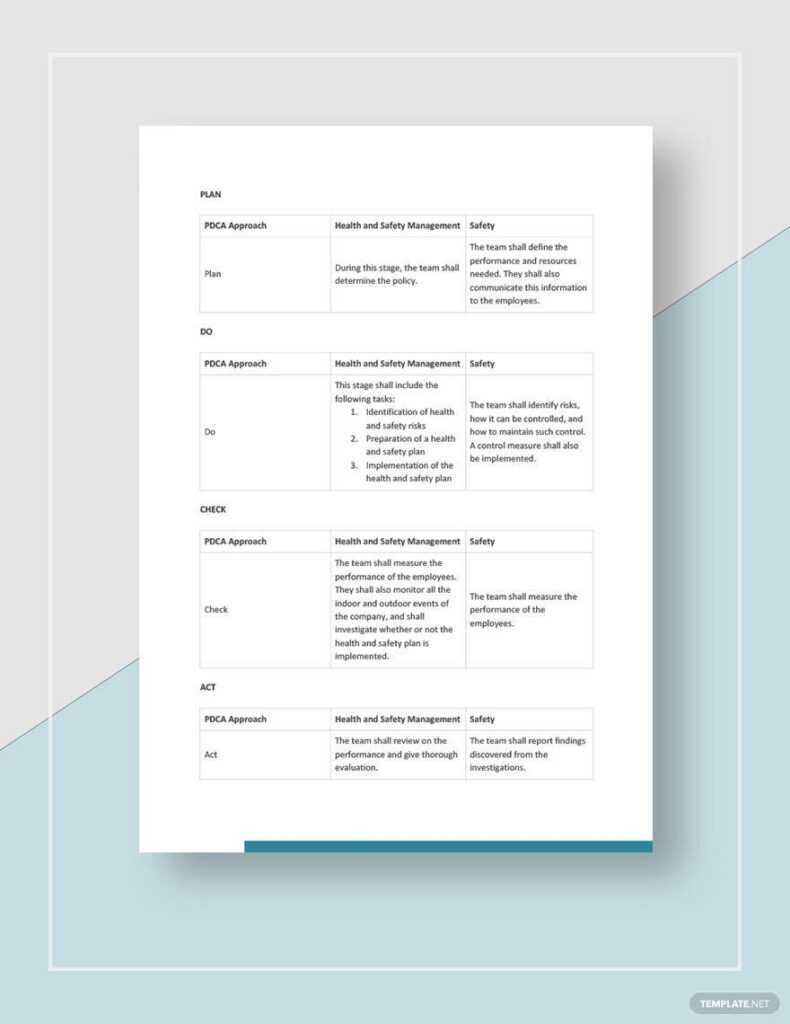
- Severity: The potential harm caused by the hazard.
- Probability: The likelihood of the hazard occurring.
- Exposure: The extent to which employees are exposed to the hazard.
2. Incident Reports
Detailed incident reports are a cornerstone of a comprehensive safety program. These reports should capture all relevant information about incidents, near misses, and accidents, regardless of severity. Key elements of a good incident report include:
- Date and Time: Precise record of the incident.
- Location: Where the incident occurred.
- Description of the Incident: A clear and concise account of what happened.
- Individuals Involved: Names and roles of all individuals involved.
- Causes: A thorough investigation of the root cause of the incident.
- Corrective Actions: Actions taken to prevent recurrence.
- Lessons Learned: Key takeaways from the incident.
3. Near Miss Reporting
Near misses are opportunities to prevent serious incidents. Reporting near misses is essential for identifying systemic issues and improving safety practices. Near miss reports should be completed promptly and provide detailed information about the event, including:
- Description of the Near Miss: What happened, without necessarily involving injury or illness.
- Contributing Factors: What conditions or actions contributed to the near miss.
- Corrective Actions: What steps were taken to prevent the near miss from happening again.
4. Control Measures and Recommendations
Based on the risk assessment, the report should identify appropriate control measures to mitigate identified hazards. These measures can include:
- Engineering Controls: Physical modifications to the workplace to reduce exposure to hazards (e.g., machine guarding, ventilation systems).
- Administrative Controls: Policies, procedures, and training programs to reduce risk (e.g., safe work procedures, hazard communication).
- Personal Protective Equipment (PPE): Equipment worn by employees to protect them from hazards (e.g., safety glasses, gloves).
The report should also include specific recommendations for improving safety practices and addressing identified gaps in control measures. Prioritization of recommendations should be based on their potential impact and feasibility.
5. Training and Awareness
A strong safety program relies on effective training and awareness. The report should outline the training provided to employees, including:
- Hazard Communication: Training on the hazards associated with specific materials and processes.
- Safe Work Procedures: Training on proper techniques and procedures for performing job tasks safely.
- Emergency Procedures: Training on how to respond to emergencies, such as fires, spills, and medical emergencies.
6. Appendices
The appendices of the report should include supporting documents, such as:
- Job Hazard Analyses (JHA)
- Process Hazard Analyses (PHA)
- Workplace Inspections Reports
- Incident Reports
- Training Records
7. Conclusion
The Annual Health and Safety Report Template is a dynamic document that should be regularly reviewed and updated to reflect changes in the organization's operations, hazards, and control measures. By consistently implementing a robust reporting system, organizations can create a culture of safety, protect their employees, and minimize the risk of accidents and injuries. A proactive approach to safety, driven by a well-maintained report, is an investment in the long-term success and well-being of the organization. Ultimately, the goal is to foster a workplace where safety is a shared responsibility and a continuous priority.
Conclusion
Developing and maintaining a comprehensive Annual Health and Safety Report Template is a continuous process, not a one-time event. It requires a commitment from leadership, employee participation, and ongoing monitoring. By embracing a proactive safety culture, organizations can significantly reduce the risk of accidents and injuries, creating a safer and more productive work environment for all. Regular review and adaptation of the template are crucial to remain effective in a constantly evolving landscape. Investing in the right tools and processes will yield significant returns in terms of employee safety, regulatory compliance, and overall organizational success.
0 Response to "Annual Health And Safety Report Template"
Posting Komentar