
The world of business relies heavily on clear agreements, and one of the most frequently used is the Net 30 Terms Agreement Template. This document outlines the terms and conditions under which a business will receive payment from a client, typically with a 30-day payment period. It's a crucial tool for managing finances, protecting both parties, and establishing a reliable relationship. Understanding the nuances of a Net 30 Terms Agreement Template is essential for any business owner or manager seeking to protect their interests and ensure smooth financial transactions. This template provides a solid foundation, but it's always recommended to consult with legal counsel to tailor it to your specific business needs and jurisdiction. This article will delve into the key components of a Net 30 Terms Agreement Template, explaining its purpose, benefits, and potential variations.
What is a Net 30 Terms Agreement Template?
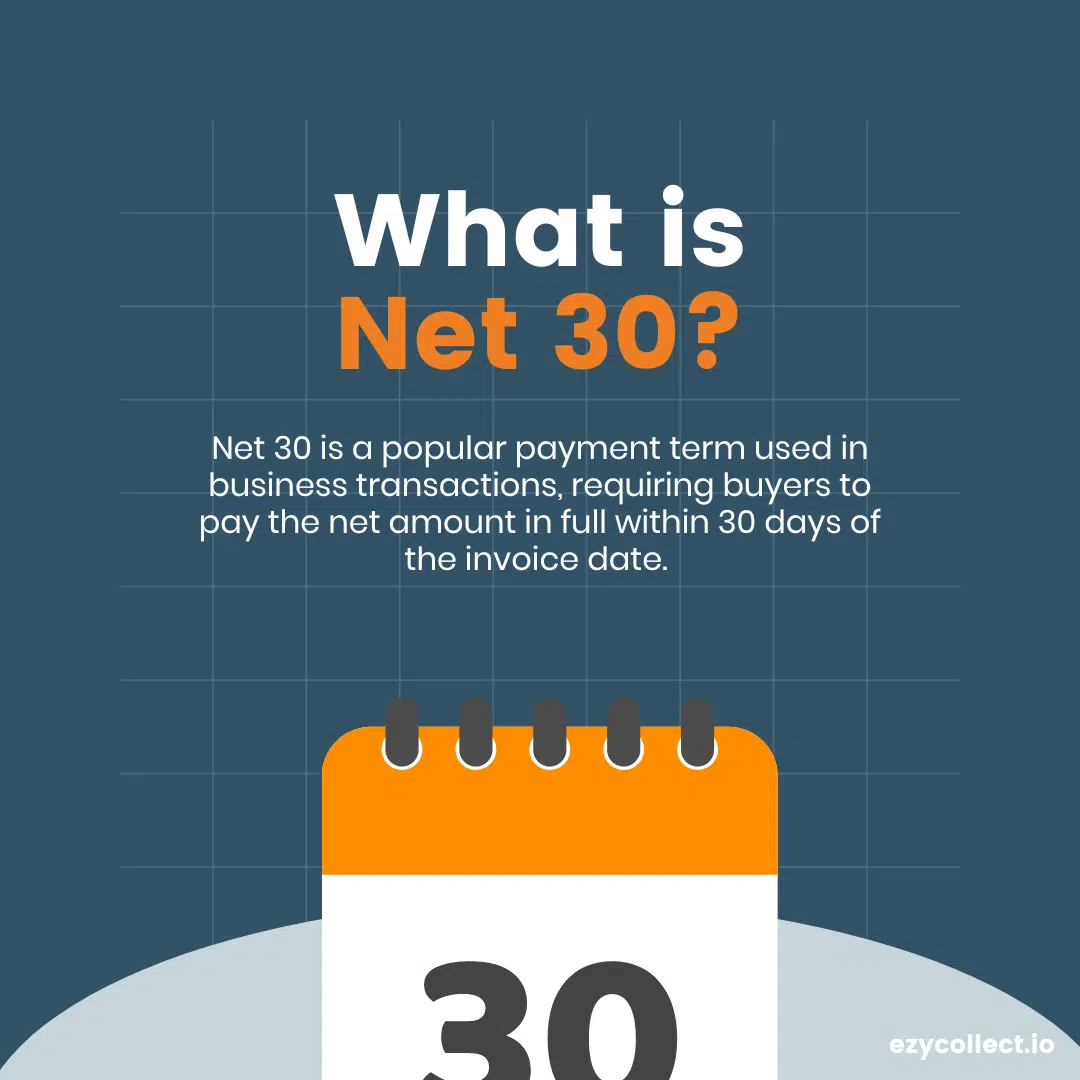
A Net 30 Terms Agreement Template is a legally binding contract that specifies the payment terms between a business and a client. It's a standard practice in many industries, particularly those involving service agreements, subscriptions, or long-term contracts. The "Net 30" refers to the 30-day payment period, meaning the client has 30 days from the date of invoice to submit payment. This timeframe provides a reasonable grace period while allowing the business to manage its cash flow effectively. It's not a guarantee of payment, but it's a commitment to a defined schedule. The template ensures transparency and minimizes disputes regarding payment schedules. It's a foundational element of building trust and establishing a professional business relationship. The template's effectiveness hinges on its clarity and adherence to established legal principles.
Key Components of a Net 30 Terms Agreement Template
A comprehensive Net 30 Terms Agreement Template typically includes the following key elements:
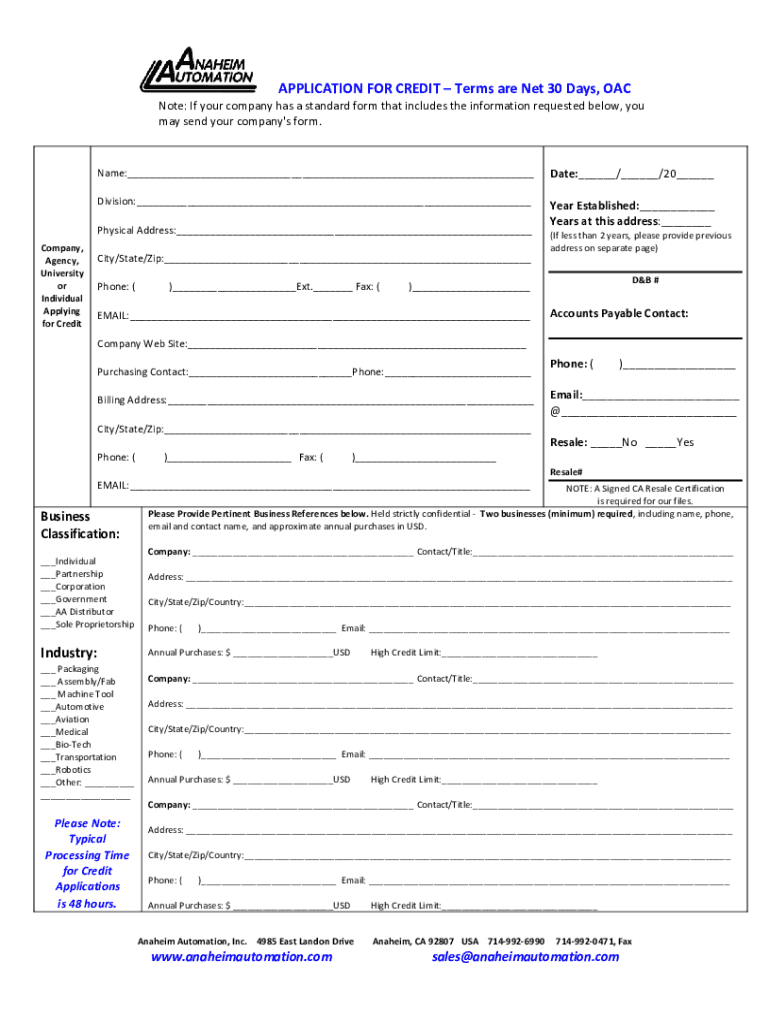
- Payment Terms: This section clearly outlines the payment schedule, including the amount due, the frequency of payments (e.g., monthly, bi-weekly), and acceptable payment methods.
- Due Date: The exact date by which payment is expected is explicitly stated.
- Late Payment Fees: If applicable, this section details any fees charged for late payments, outlining the calculation and process for notification.
- Payment Method: Specifies the accepted methods of payment (e.g., bank transfer, credit card, wire transfer).
- Taxes: Clarifies who is responsible for paying taxes on the invoice and the process for handling tax implications.
- Dispute Resolution: Outlines the process for resolving any disputes that may arise regarding the invoice or payment terms. This might include mediation or arbitration.
- Confidentiality Clause: Protects sensitive business information shared during the agreement.
- Termination Clause: Specifies the conditions under which the agreement can be terminated by either party.
- Governing Law: Identifies the jurisdiction whose laws will govern the interpretation and enforcement of the agreement.
The Importance of a Well-Drafted Net 30 Terms Agreement Template
The benefits of utilizing a well-structured Net 30 Terms Agreement Template extend beyond simply establishing a payment schedule. It fosters transparency, reduces the risk of disputes, and strengthens the overall business relationship. Here's a breakdown of why it's so important:

- Financial Stability: A clear payment schedule allows businesses to manage their cash flow effectively, preventing financial strain.
- Reduced Disputes: Defined terms and conditions minimize misunderstandings and potential disagreements regarding payment.
- Professionalism: A professionally drafted agreement demonstrates a commitment to business integrity and builds trust with clients.
- Contract Enforcement: The template provides a solid foundation for enforcing the agreement if necessary, protecting the business's interests.
- Client Confidence: Clients appreciate having a clear understanding of their obligations and the expectations associated with a business relationship.
Section 1: Payment Terms – A Detailed Look
The payment terms section is arguably the most critical element of the Net 30 Terms Agreement Template. It's where the specifics of how and when payment is due are outlined. A common structure includes:

- Invoice Number: A unique identifier for each invoice.
- Invoice Date: The date the invoice was issued.
- Due Date: The date by which payment is expected (e.g., 30 days from invoice date).
- Payment Method: Specifies the accepted methods of payment (e.g., bank transfer, credit card, wire transfer).
- Amount Due: The total amount owed for the services or products provided.
- Late Payment Fee: If applicable, the fee structure (e.g., a percentage of the invoice amount, a fixed amount).
- Payment Instructions: Clear instructions on how to make the payment (e.g., bank transfer details, online payment portal link).
Section 2: Late Payment Policy – Protecting Your Business
A robust late payment policy is vital for maintaining a positive client relationship. It should clearly state:
- Grace Period: The amount of time allowed before late fees are applied.
- Late Fee Calculation: How late fees are calculated (e.g., a percentage of the invoice amount, a fixed amount).
- Notification Procedures: How clients should be notified of a late payment (e.g., email, phone call).
- Consequences of Late Payment: What happens if payment is not received by the due date (e.g., late fee escalation, suspension of services).
Section 3: Dispute Resolution – Navigating Challenges
Disputes are inevitable in any business relationship. A well-defined dispute resolution process ensures a fair and efficient resolution. This section should outline:
- Mediation: A process where a neutral third party helps facilitate a resolution.
- Arbitration: A more formal process where a neutral arbitrator hears both sides of the dispute and makes a binding decision.
- Governing Law: The jurisdiction whose laws will govern the dispute resolution process.
Section 4: Confidentiality Clause – Protecting Sensitive Information
A confidentiality clause protects the business's proprietary information and client data. It should specify:
- Scope of Confidentiality: What information is considered confidential (e.g., client lists, pricing information, business strategies).
- Permitted Use: What the client is allowed to do with the confidential information.
- Obligations of the Client: What the client must do to protect the confidentiality of the information.
Section 5: Termination Clause – Ending the Relationship
A termination clause outlines the conditions under which either party can end the agreement. It should specify:
- Reasons for Termination: The specific reasons for termination (e.g., breach of contract, insolvency).
- Notice Period: The amount of notice required to terminate the agreement.
- Consequences of Termination: What happens to outstanding invoices and other obligations upon termination.
Conclusion
The Net 30 Terms Agreement Template is a fundamental document for establishing clear and reliable business relationships. By carefully considering the key components outlined above and tailoring the template to your specific needs, you can protect your business interests and foster long-term success. Remember that consulting with legal counsel is always recommended to ensure the agreement is legally sound and compliant with applicable regulations. Investing time and effort in creating a well-structured agreement demonstrates professionalism and builds trust with your clients. The consistent application of this template, coupled with proactive communication and a commitment to fair business practices, will contribute significantly to a thriving and sustainable business.
0 Response to "Net 30 Terms Agreement Template"
Posting Komentar