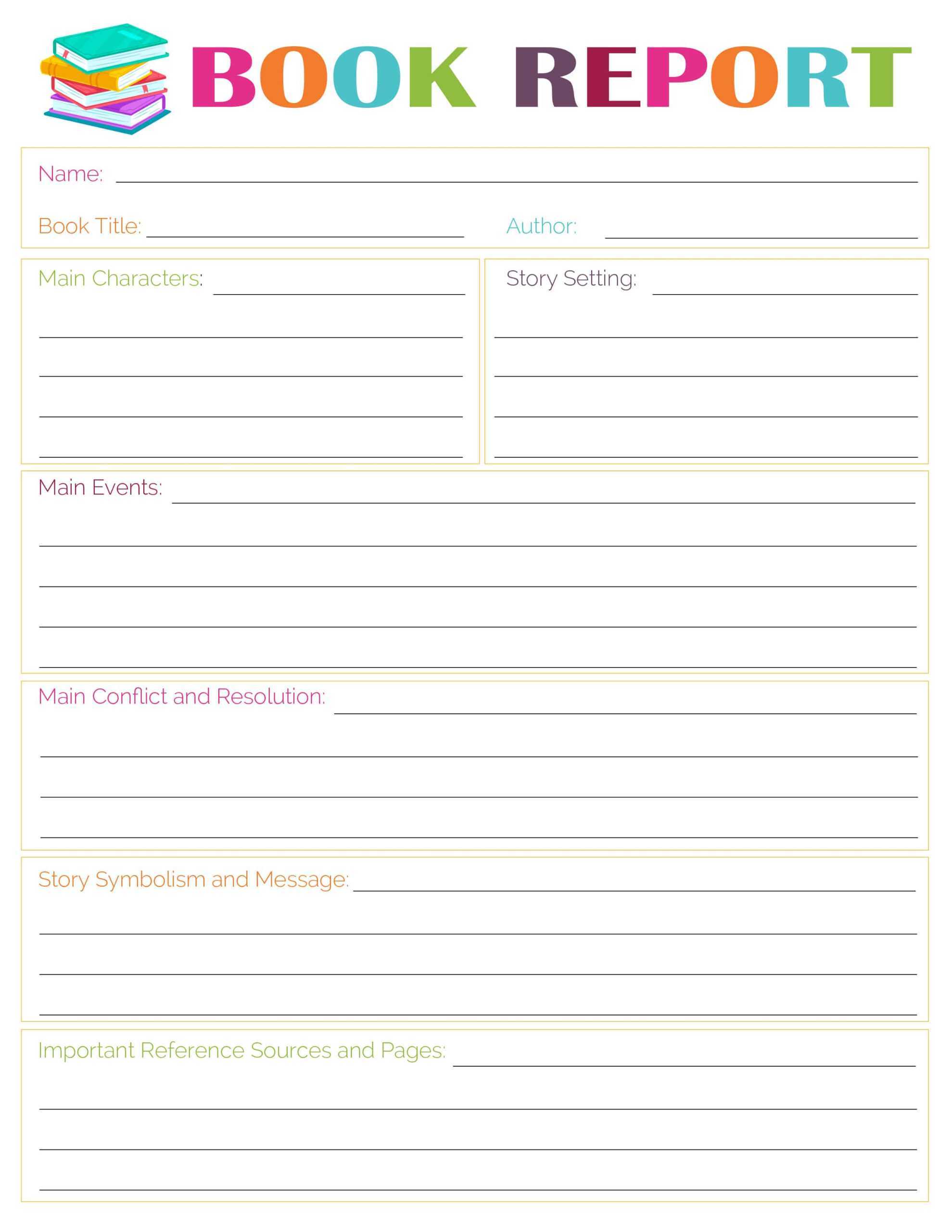
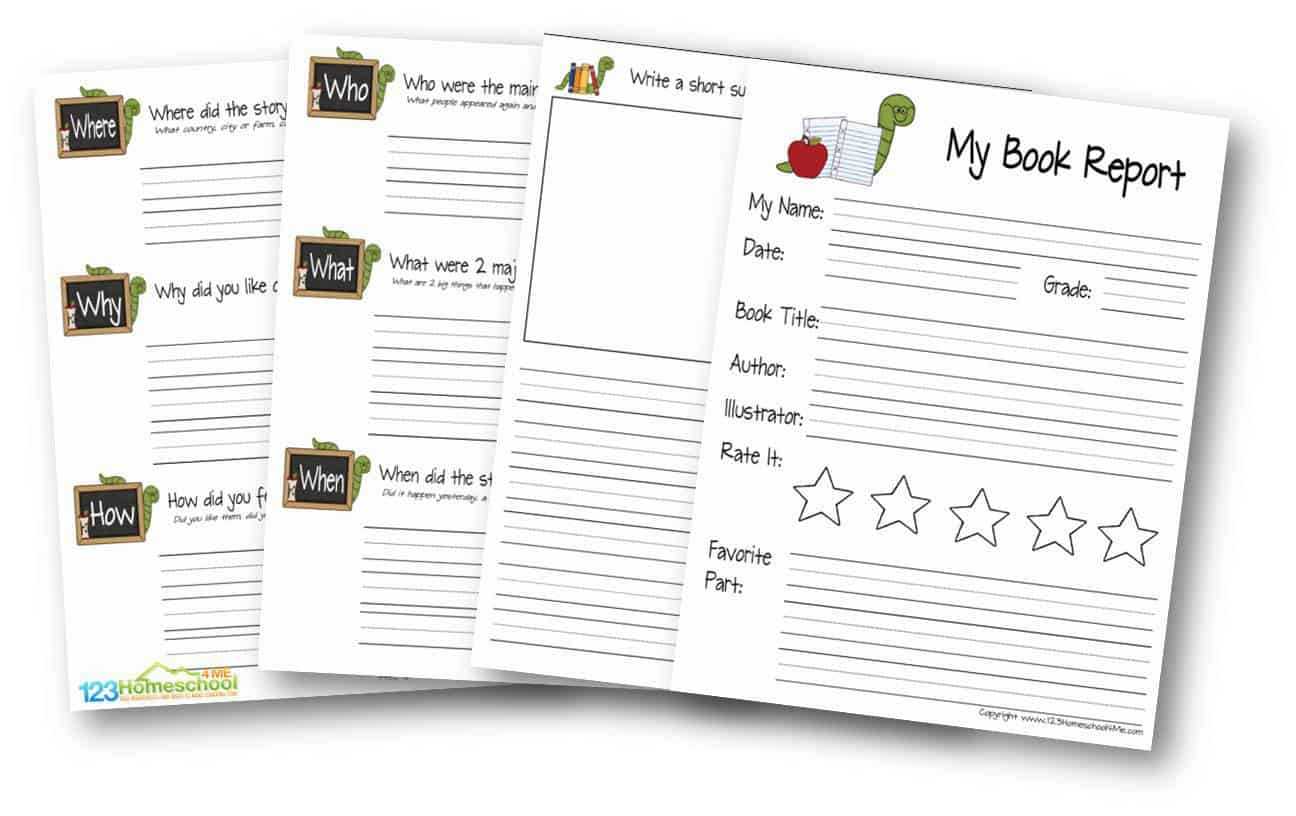
Creating a comprehensive and well-organized book report can be a daunting task, especially for younger students. However, with a clear template and a structured approach, it becomes a manageable and rewarding experience. This guide will walk you through the essential components of a book report, focusing on the crucial element of a "Book Report Template Grade 1." Understanding this template is the first step towards effectively communicating your understanding of a book and demonstrating your analytical skills. A strong book report isn't just about summarizing; it's about demonstrating critical thinking and insightful analysis. It's a chance to show your teacher and classmates that you've truly engaged with the text. Let's dive in!
The foundation of a successful book report rests on a solid template. It's a framework that guides your analysis and helps you present your thoughts clearly. A well-structured report demonstrates that you've taken the time to truly understand the book. The key is to be thorough and to show, not just tell. Remember, the goal is to communicate your understanding, not simply regurgitate information. This guide will provide a detailed breakdown of each section, ensuring you create a report that is both informative and engaging. We'll focus specifically on the elements that are most relevant for a Grade 1 level, recognizing that the complexity of the content will vary.
Understanding the Core Components
Before we delve into the specific sections, let's establish the core elements of a good book report. A successful report typically includes:

- A Summary: A brief overview of the book's plot.
- Character Analysis: Discussion of the main characters and their roles.
- Theme Exploration: Identification of the central themes or ideas presented in the book.
- Author's Purpose: Understanding why the author wrote the book.
- Personal Response: Your thoughts and feelings about the book – what did you like, dislike, or find interesting?
These elements are interconnected and contribute to a cohesive and insightful report. Each section should build upon the previous one, creating a narrative that reflects your engagement with the text. Remember, the goal is to show why you enjoyed the book and what you learned from it.
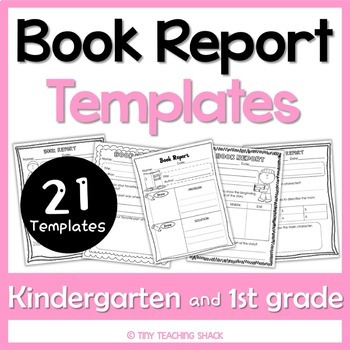
The Book Report Template Grade 1 – A Step-by-Step Guide
Let's now examine the specific sections of the template, tailored for a Grade 1 level of understanding. Each section is designed to encourage critical thinking and provide a foundation for a comprehensive analysis.
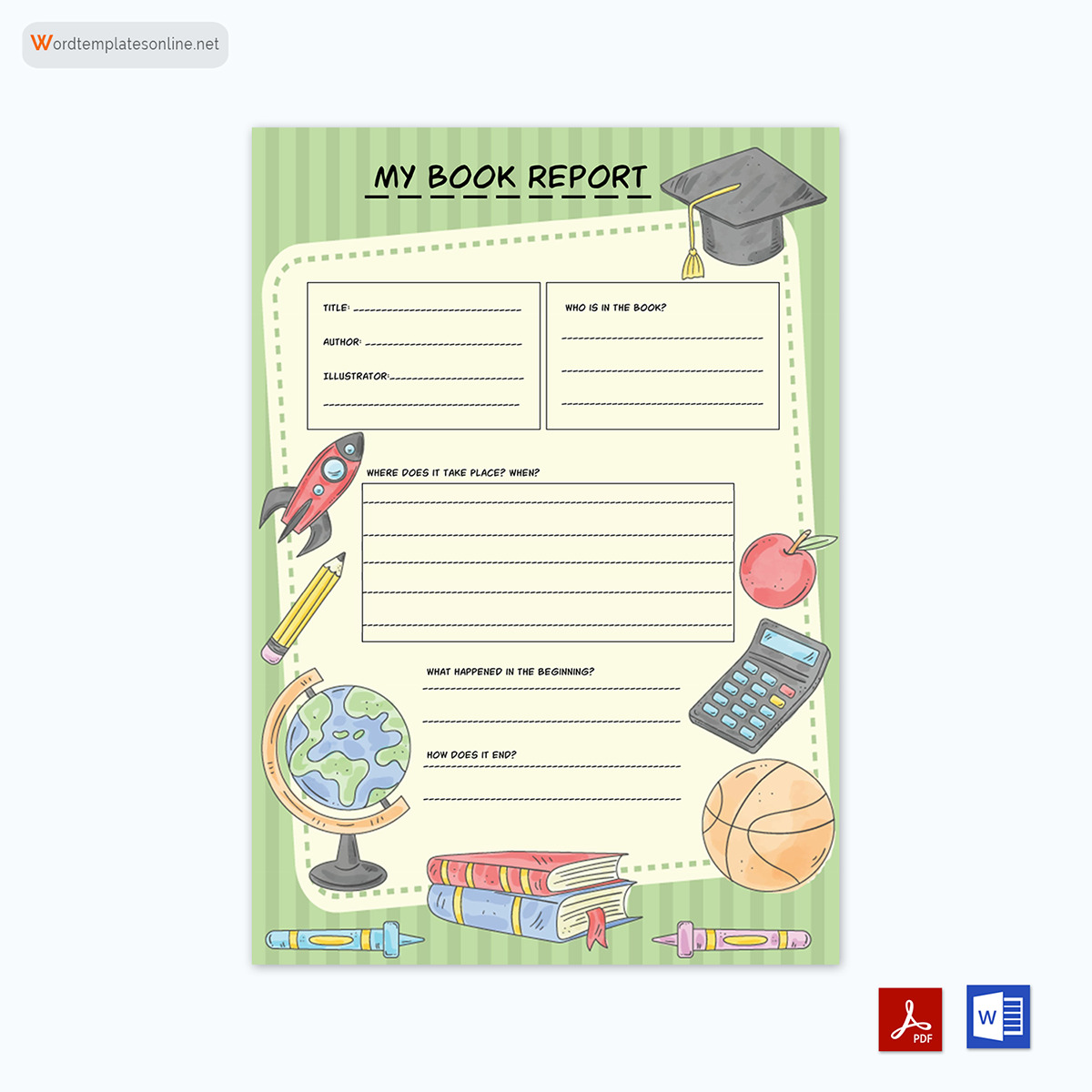
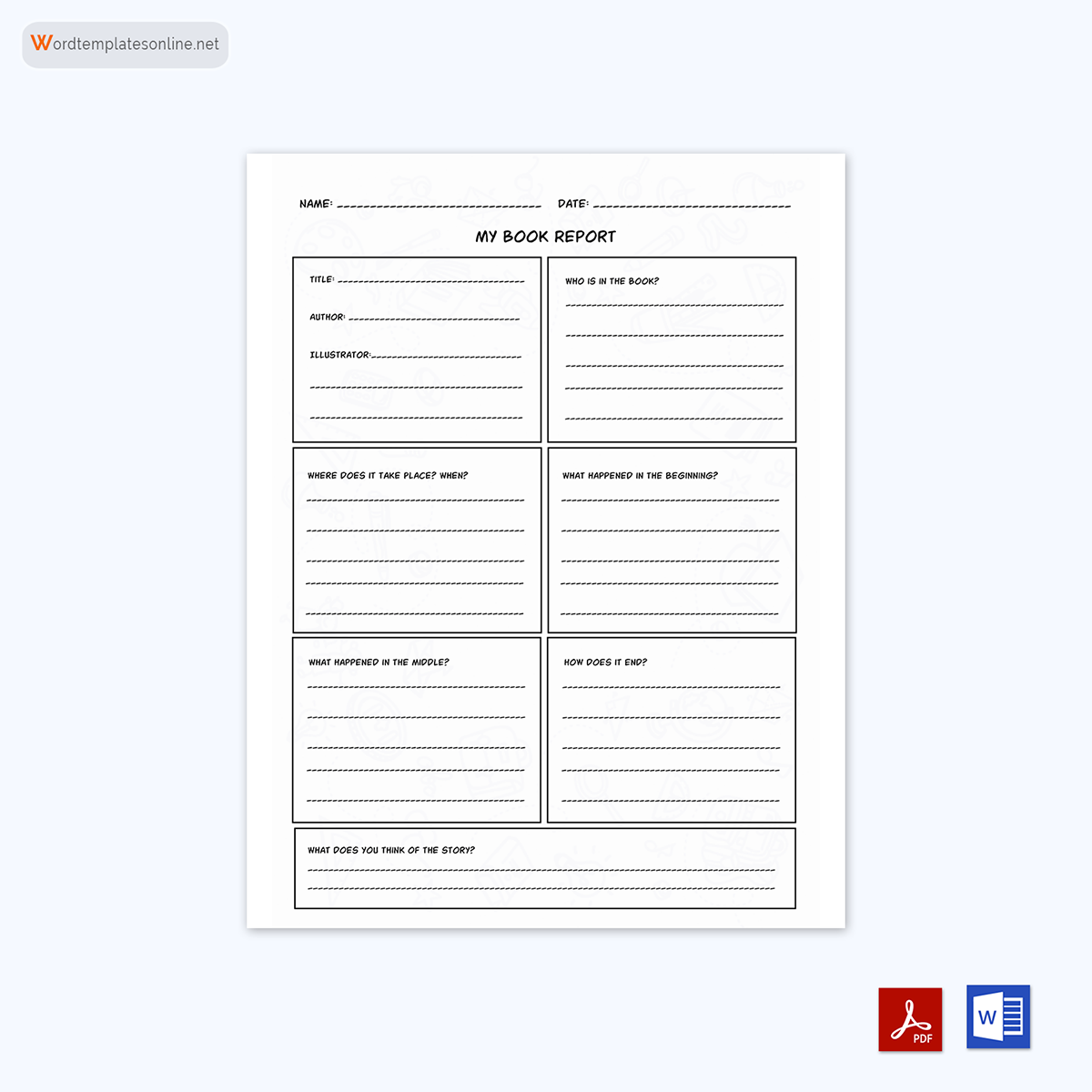
1. Introduction – Setting the Stage
The introduction is your opportunity to grab the reader's attention and introduce the book. It should be concise and engaging. Start with a captivating hook – perhaps a question, a surprising statement, or a brief anecdote related to the book. Clearly state the title of the book and the author. Crucially, include the word "Book Report Template Grade 1" within this introductory paragraph. For example: "Have you ever wondered how to write a report about a book you've read? This guide will show you how to create a fantastic book report, perfect for a Grade 1 level of understanding!" The introduction should also briefly hint at the main points you'll be covering. It's important to establish the context – why is this book important?
2. Summary – The Plot Unpacked
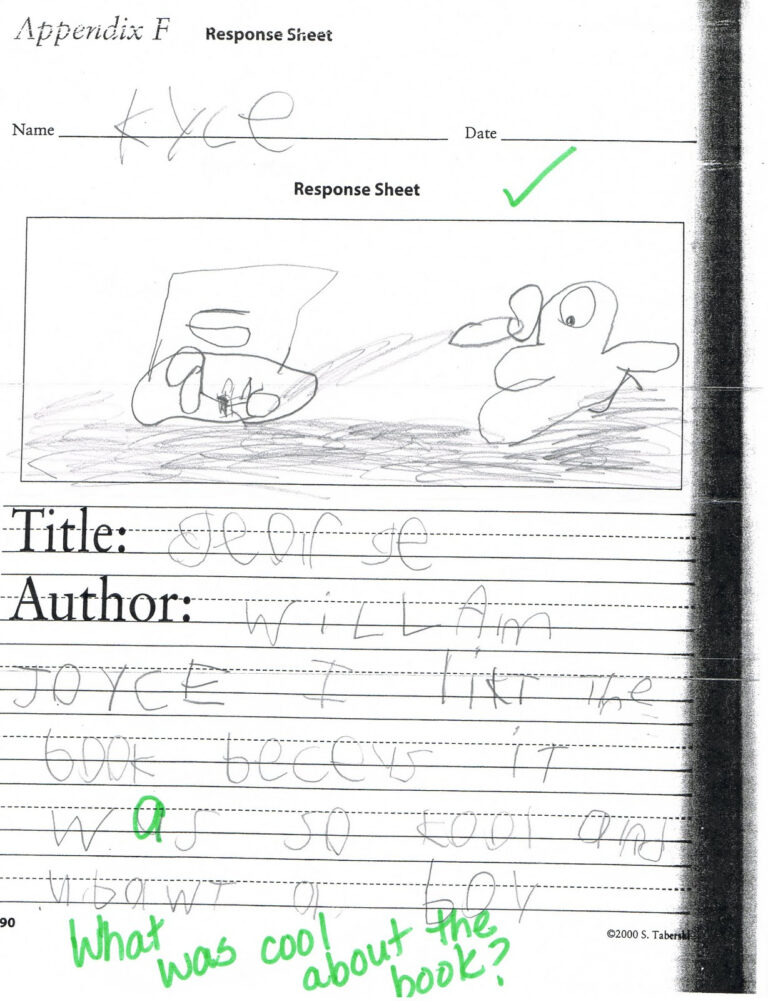
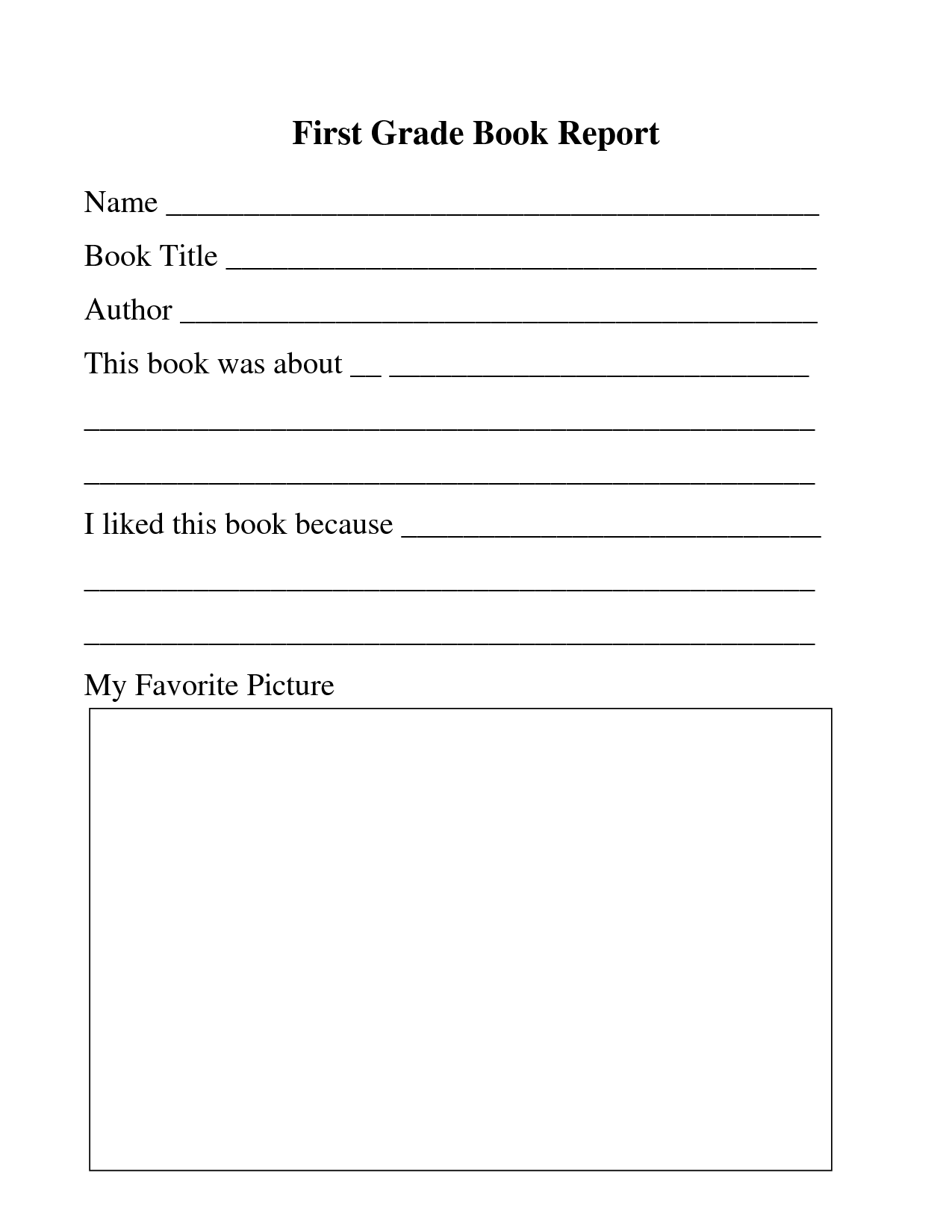
The summary section is where you condense the main events of the book. Keep it brief and focused, suitable for a Grade 1 audience. Focus on the key events, avoiding unnecessary details. Use simple language and sentence structures. For example: "The story of [Book Title] is about a [Character Name] who goes on an adventure to [Location]. They meet [Character Name 2] and learn about [Theme]. They face challenges like [Challenge 1] and [Challenge 2], and ultimately, they [Resolution]." Don't try to summarize every single detail; prioritize the most important plot points. Remember to use action verbs to describe what happens.
3. Character Analysis – Meet the People
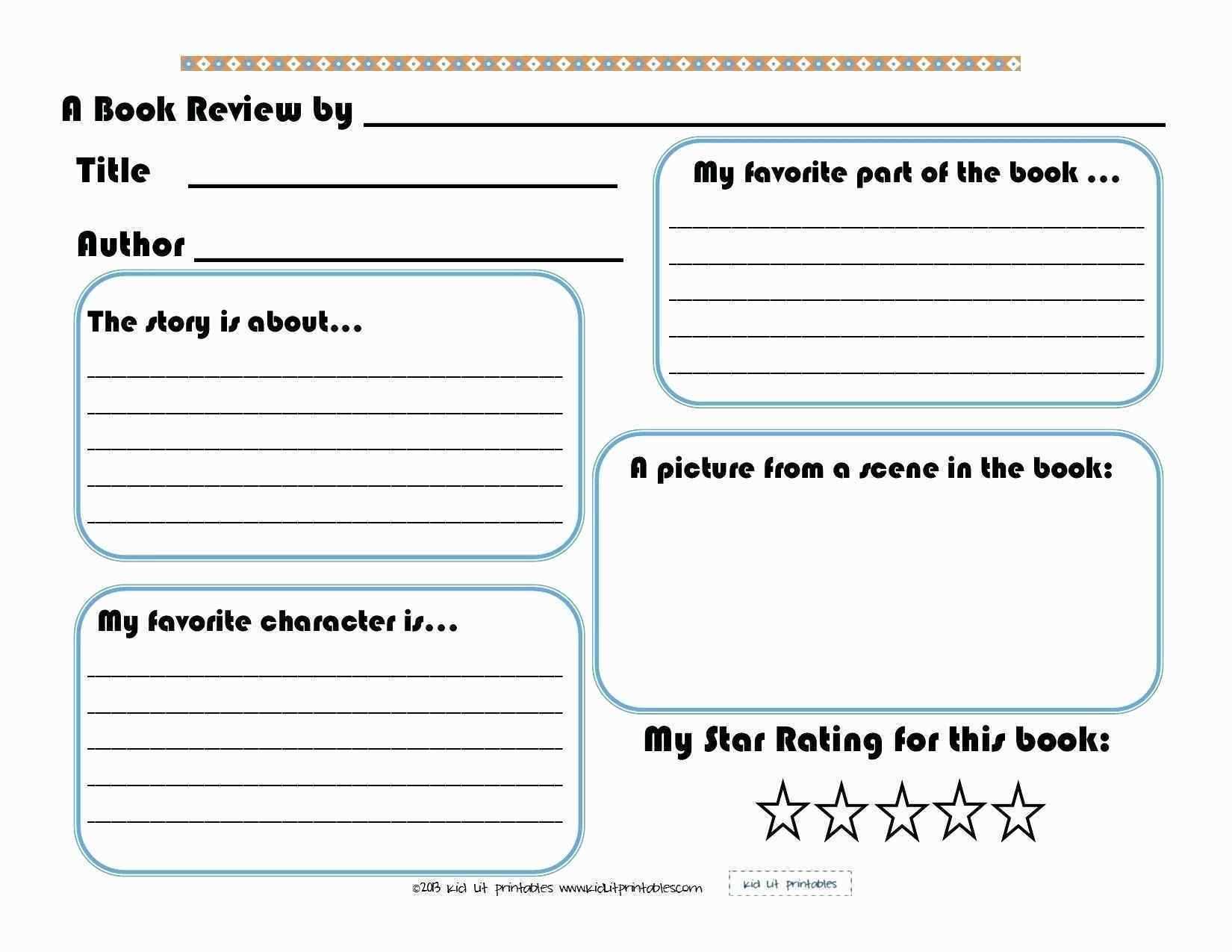
This section is all about exploring the characters in the book. Introduce the main characters and briefly describe their personalities and roles in the story. Ask yourself: "What does this character do? How does this character feel? Why do they act the way they do?" For a Grade 1 audience, focus on simple descriptions – "The brave knight," "The silly puppy," "The wise old owl." You don't need to delve into complex character motivations; just provide a basic understanding of their traits. Consider using a simple character chart to visually represent the characters' key characteristics.
4. Theme Exploration – What's the Big Idea?
Themes are the underlying ideas or messages in a book. They're often universal and can be explored in different ways. What is the book really about? Possible themes include friendship, courage, honesty, or loss. For a Grade 1 audience, you can focus on simple themes like "being kind" or "trying your best." Provide examples from the book to illustrate the theme. For instance, "The book shows that even when things are difficult, it's important to be kind to others." Don't overcomplicate it; a simple explanation is often more effective.
5. Author's Purpose – Why Did They Write It?
Understanding why an author wrote a book can add depth to your analysis. What was the author trying to communicate? Did they want to entertain you, teach you something, or make you think about something? For a Grade 1 audience, this might be as simple as "The author wanted to make you laugh" or "The author wanted to teach you about animals." You don't need to analyze the author's motives in great detail; just provide a general understanding.

6. Personal Response – Your Thoughts and Feelings
This is where you share your own thoughts and feelings about the book. What did you like about it? What did you dislike? What surprised you? Did you feel any emotions while reading? For a Grade 1 audience, this section is about expressing your personal connection to the book. It's okay to say you enjoyed a particular scene or character. Simply state your feelings in a clear and concise way. "I liked the part where [Character Name] found [Object]." "I felt sad when [Character Name] lost [Object]."
Conclusion – Reflecting on the Journey
The conclusion should summarize your key takeaways from the book report. Reiterate the main points you've discussed – the plot, characters, themes, and your personal response. You can briefly mention the overall message or lesson of the book. For example: "[Book Title] is a wonderful story about [briefly summarize the main idea]. It teaches us that [key lesson] and that it's important to be [positive trait]." A strong conclusion leaves the reader with a clear understanding of what you learned from the book and why it was important to you. It's a chance to leave a lasting impression.
Further Resources
There are many excellent resources available to help you write a great book report. Here are a few suggestions:
- Reading Rockets: https://www.readingrockets.org/ – A website with resources for teachers and parents on reading comprehension.
- Grammarly: https://www.grammarly.com/ – A tool for improving your writing.
- Khan Academy: https://www.khanacademy.org/ – Offers free educational resources, including reading comprehension exercises.
By following these guidelines and focusing on the key elements of a Book Report Template Grade 1, you can create a compelling and informative report that demonstrates your understanding of the book and your analytical skills. Remember to tailor your report to the specific book you're analyzing and to use clear, concise language appropriate for a Grade 1 audience. Good luck!

0 Response to "Book Report Template Grade 1"
Posting Komentar