
In today's competitive landscape, simply having a great product or service isn't enough. To truly thrive, businesses need a structured approach to manage their operations, streamline processes, and ultimately, achieve sustainable growth. That's where a Business Playbook Template comes in – a vital tool for defining, documenting, and consistently applying best practices across your entire organization. This article will explore what a Business Playbook Template is, why it's essential, and how to create one that works for your specific business needs. Business Playbook Template is more than just a document; it's a strategic framework for consistent execution and improved performance. It's a living document, constantly updated and refined to reflect evolving business realities. Let's dive in.
Understanding the Need for a Business Playbook Template
The traditional approach to business management often involves scattered information, inconsistent processes, and a lack of clear accountability. Different departments might operate with their own methods, leading to duplicated efforts, missed opportunities, and ultimately, reduced efficiency. A Business Playbook Template provides a centralized repository for all critical business processes, ensuring everyone is on the same page and working towards the same goals. It's about establishing a shared understanding and fostering a culture of consistent execution. Without a template, you're essentially navigating a maze of individual decisions, increasing the risk of errors and hindering progress. A well-defined template allows for a systematic approach to problem-solving and continuous improvement.
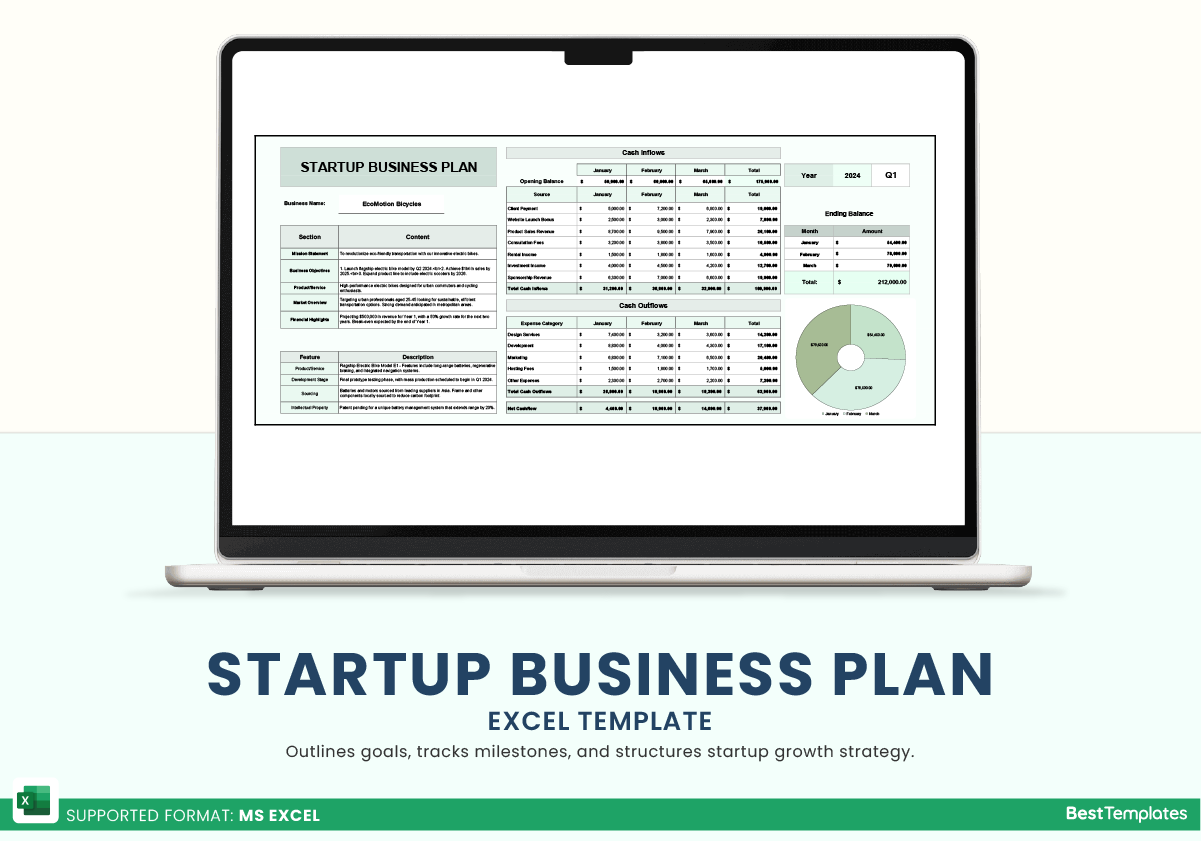
Defining Your Business Playbook's Core Components
A robust Business Playbook Template typically includes several key components. These aren't rigid rules, but rather guiding principles and best practices. Here's a breakdown of essential elements:
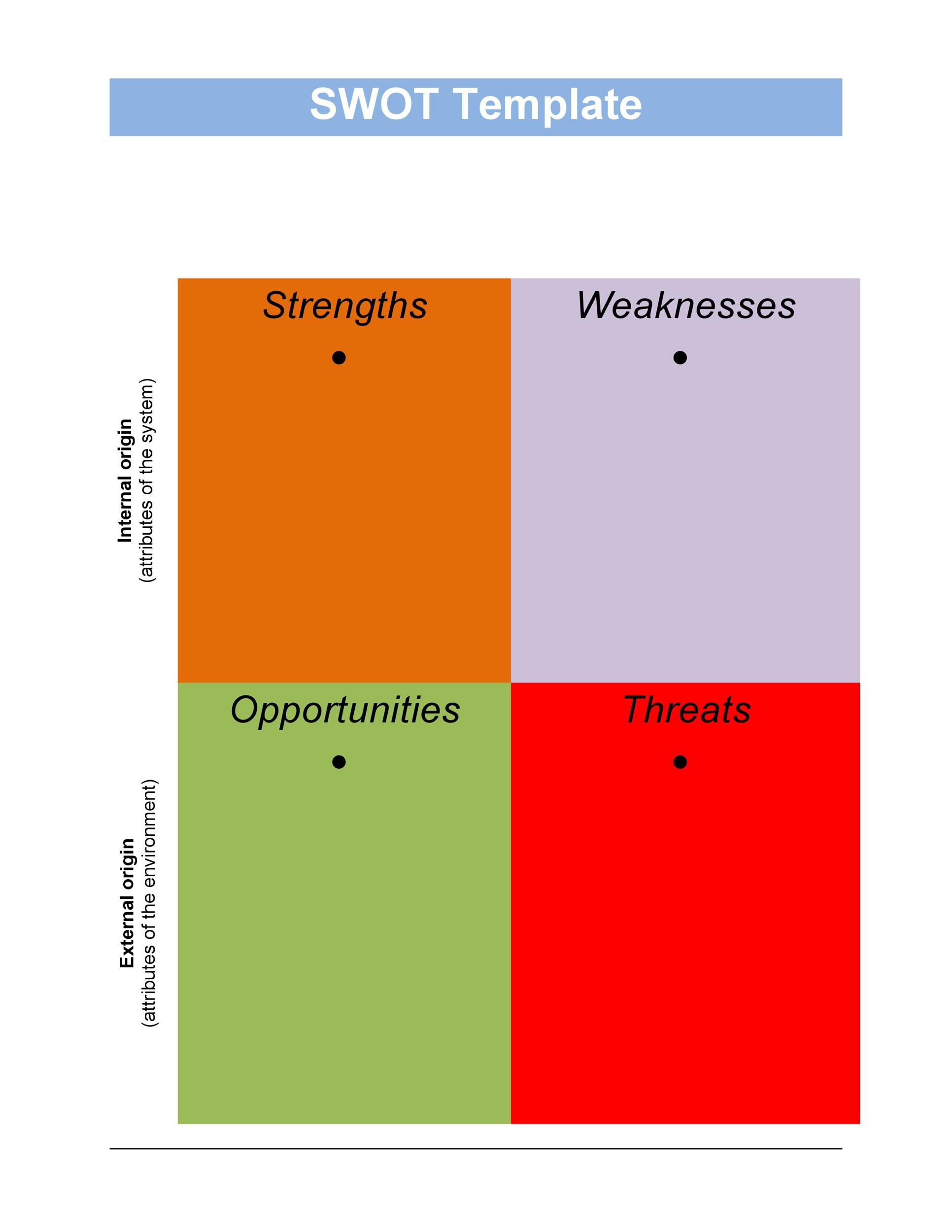
- Executive Summary: A concise overview of the entire playbook, highlighting its purpose and key objectives. This is crucial for quickly understanding the overall strategy.
- Company Overview: A brief description of your company's mission, values, and strategic goals. This provides context for the playbook's application.
- Process Flowcharts: Visual representations of key business processes – from order fulfillment to customer onboarding. These charts clearly illustrate the steps involved and potential bottlenecks.
- Standard Operating Procedures (SOPs): Detailed, step-by-step instructions for each process. These SOPs should be clear, concise, and easily followed.
- Roles and Responsibilities: Clearly defined roles and responsibilities for each team member involved in each process. This minimizes confusion and ensures accountability.
- Key Performance Indicators (KPIs): Metrics used to track the performance of each process. These KPIs provide a way to measure success and identify areas for improvement.
- Templates & Checklists: Pre-populated templates and checklists to streamline the process of creating and maintaining the playbook.
The Importance of a Strategic Approach to Template Creation
Creating a Business Playbook Template isn't simply about filling out a form. It requires a strategic approach. You need to consider your specific business needs, industry regulations, and organizational culture. Don't just create a template; adapt it. Start with a thorough assessment of your current operations and identify the areas where improvements can be made. Consider incorporating feedback from employees at all levels. A template that's not tailored to your business will be ineffective.
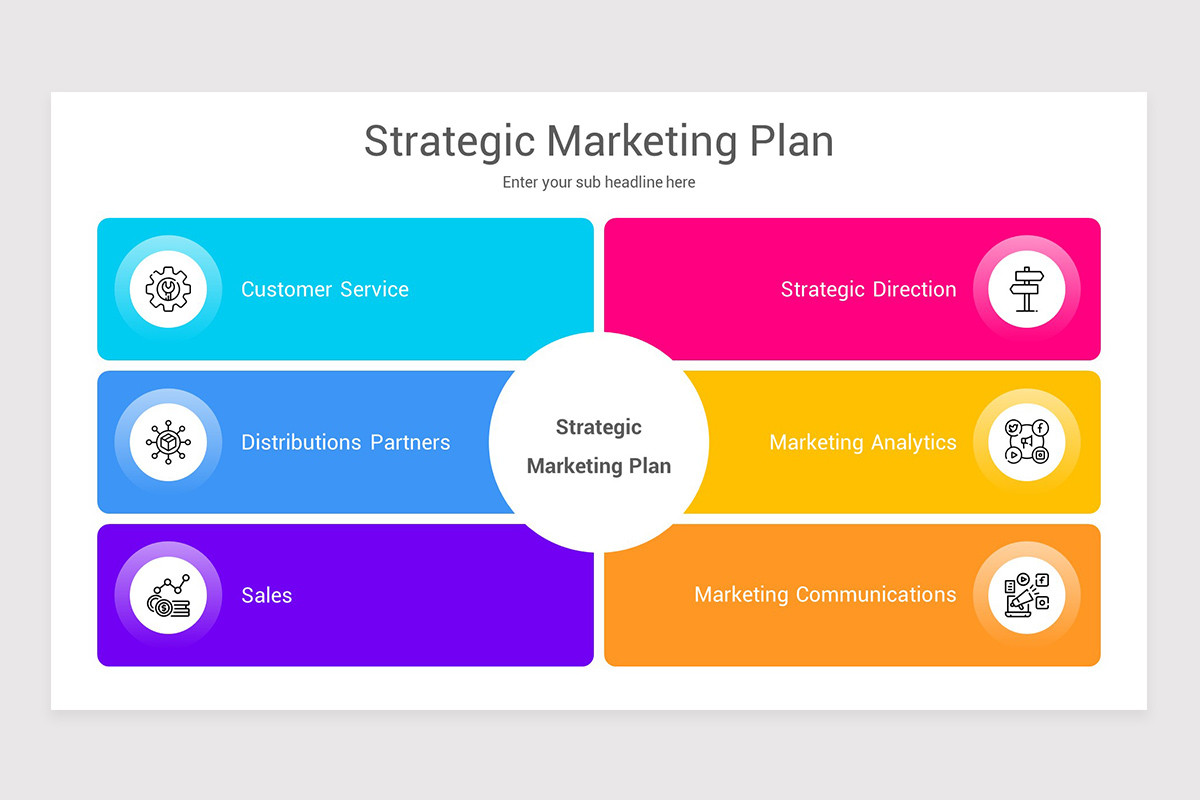
Leveraging Technology for Template Management
While a physical template can be useful, many businesses are increasingly adopting digital tools to manage their Playbooks. These tools often include features like version control, workflow automation, and collaboration capabilities. Popular options include:

- Microsoft Word/Google Docs: Suitable for simpler Playbooks.
- Dedicated Playbook Software: Platforms like Smartsheet, Asana, or Monday.com offer robust features for managing and tracking Playbook processes.
- Workflow Automation Tools: Tools like Zapier or IFTTT can automate tasks and trigger actions based on specific events.
Best Practices for Effective Template Implementation
To maximize the value of your Business Playbook Template, follow these best practices:

- Get Buy-In: Communicate the benefits of the playbook to all stakeholders and involve them in the creation process.
- Start Small: Begin with a pilot project and gradually expand the playbook to encompass more processes.
- Regularly Review and Update: The business landscape is constantly changing, so it's essential to review and update your playbook regularly. At least annually, or more frequently if significant changes occur.
- Train Your Team: Provide adequate training to ensure everyone understands how to use the playbook effectively.
- Champion the Template: Identify a champion within your organization to promote the playbook and encourage adoption.
The Role of a Business Playbook Template in Driving Business Growth
A well-executed Business Playbook Template is a powerful engine for driving business growth. By streamlining processes, reducing errors, and improving communication, it empowers your team to focus on strategic initiatives. It fosters a culture of efficiency and accountability, ultimately leading to increased profitability and a stronger competitive advantage. Furthermore, a consistent playbook helps you identify and address potential risks proactively, minimizing disruptions and protecting your business. It's an investment that pays dividends in the long run.

Beyond the Basics: Advanced Considerations for Business Playbooks
While the core elements outlined above are essential, a truly effective Business Playbook Template goes beyond the basics. Consider incorporating these advanced features:
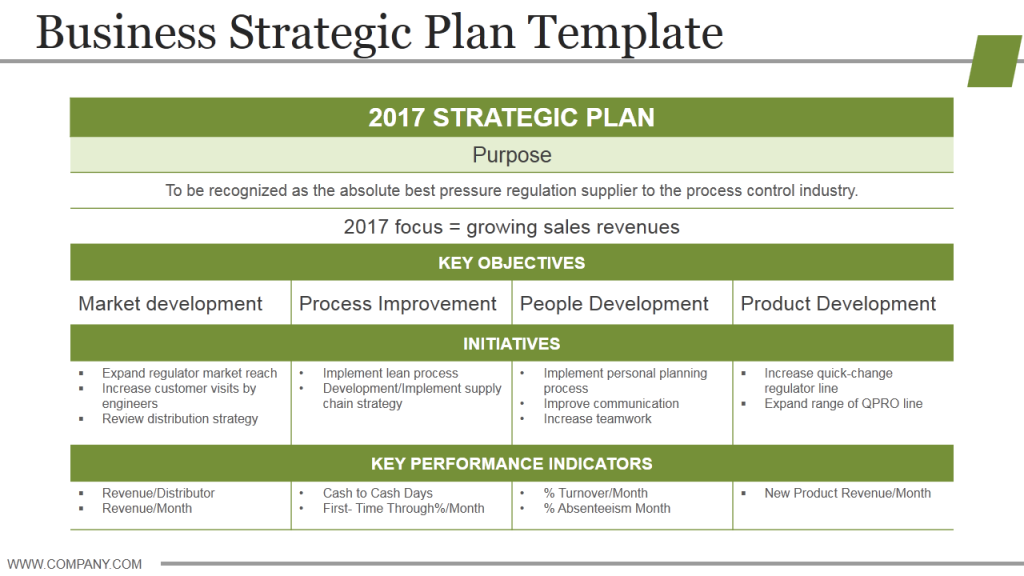
- Risk Management: Identify and assess potential risks associated with each process and develop mitigation strategies.
- Compliance Tracking: Document relevant regulations and ensure compliance with industry standards.
- Data Analytics Integration: Connect the playbook to data analytics tools to track performance and identify trends.
- Feedback Mechanisms: Include channels for collecting feedback from employees and customers to continuously improve the playbook.
Conclusion: Investing in Your Business's Future
A Business Playbook Template is no longer a luxury; it's a necessity for businesses of all sizes. It's a strategic investment that can significantly improve operational efficiency, reduce costs, and drive growth. By creating a clear, documented, and consistently applied playbook, you empower your team to execute effectively and achieve your business goals. Don't just manage processes; manage your playbook. It's a roadmap to sustained success. Business Playbook Template is a fundamental component of a successful business strategy.

Conclusion
Creating and implementing a robust Business Playbook Template requires careful planning, consistent execution, and ongoing refinement. It's a dynamic process that adapts to the evolving needs of your business. By prioritizing clarity, standardization, and continuous improvement, you can unlock significant benefits and position your organization for long-term success. Remember to tailor the template to your specific industry, company size, and operational context. Investing in a well-designed Business Playbook Template is an investment in your company's future.
0 Response to "Business Playbook Template"
Posting Komentar