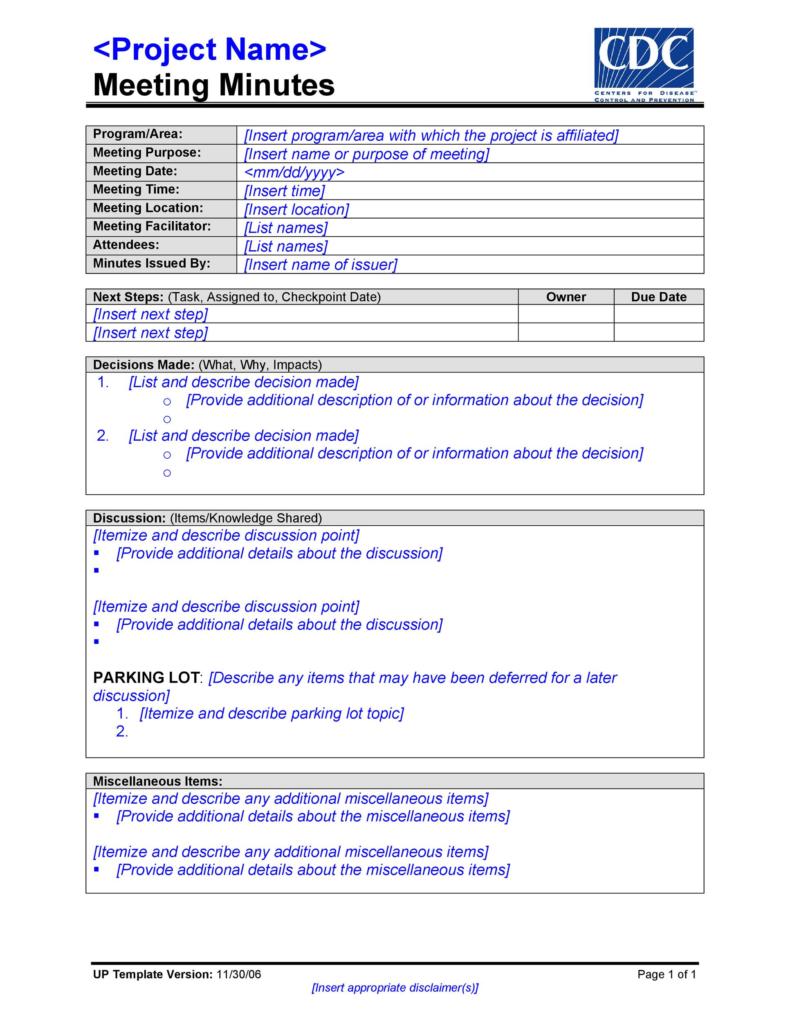
Corporate minutes are a cornerstone of effective communication within organizations, ensuring all parties are aligned on key decisions, action items, and deadlines. They're more than just a list of who said what; they're a structured record of a meeting's progress, fostering accountability and facilitating smooth workflow. Choosing the right template is crucial for streamlining the process and ensuring all relevant information is captured accurately. This article will explore the benefits of using a corporate minutes template word, different types available, and how to effectively utilize them to improve your organization's communication. Corporate Minutes Template Word is a versatile tool, readily adaptable to various meeting formats and organizational needs. Let's delve into what makes a truly effective corporate minutes template.
The need for structured meeting minutes has grown significantly in today's fast-paced business environment. Traditional paper-based methods are often cumbersome and prone to errors. Digital templates offer a more efficient and accessible solution, allowing for easy sharing, storage, and retrieval. Furthermore, the ability to incorporate digital signatures and track action items streamlines project management and ensures accountability. A well-crafted corporate minutes template isn't just a formality; it's a vital tool for maintaining transparency, improving collaboration, and ultimately, driving organizational success. The core principle is to create a clear, concise, and actionable record of the meeting's key discussions and decisions.
Understanding the Different Types of Corporate Minutes Templates
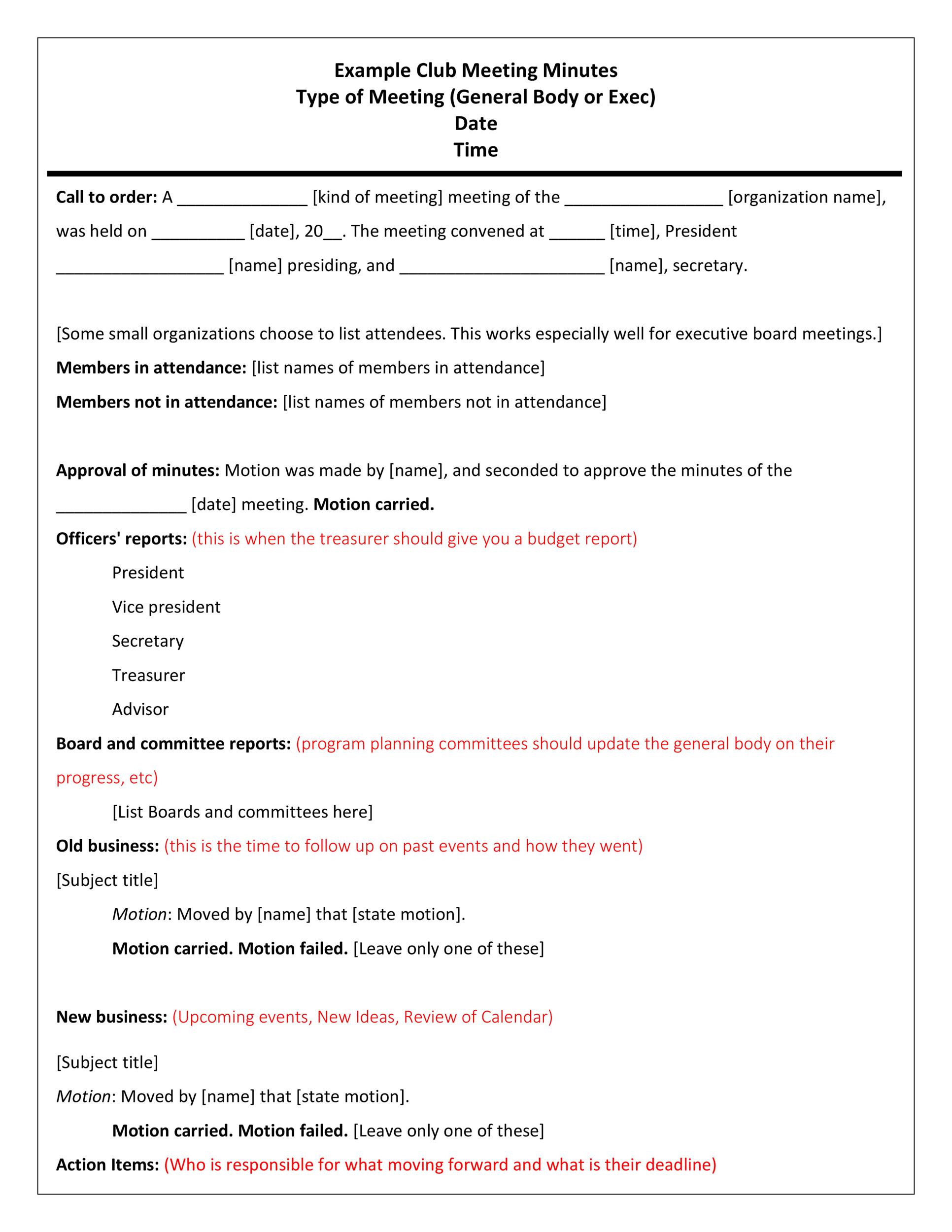
Several variations of corporate minutes templates exist, each tailored to specific meeting needs and organizational structures. Some are designed for traditional in-person meetings, while others are optimized for virtual meetings utilizing video conferencing. Consider these options:
- Traditional Paper Templates: These are the most basic, typically consisting of a standard format with sections for agenda, attendees, key discussion points, decisions made, and action items. They are often printed and distributed.
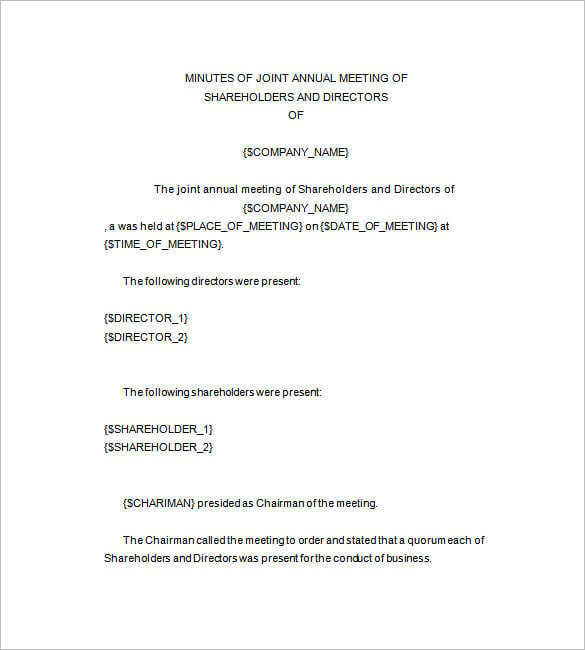
- Digital Templates: These are created using software like Microsoft Word, Google Docs, or dedicated meeting management platforms. They offer features like automated formatting, digital signatures, and easy sharing.
- Hybrid Templates: Combining elements of both paper and digital formats, these templates allow for a balance between traditional record-keeping and digital accessibility.
- Specialized Templates: Some templates are specifically designed for particular industries or types of meetings, such as project management or strategic planning.
Choosing the right template depends on your organization's size, meeting frequency, and preferred communication methods. A simple, straightforward template is often sufficient for smaller teams, while more complex templates may be necessary for larger, multi-departmental meetings.
The Importance of a Well-Structured Agenda
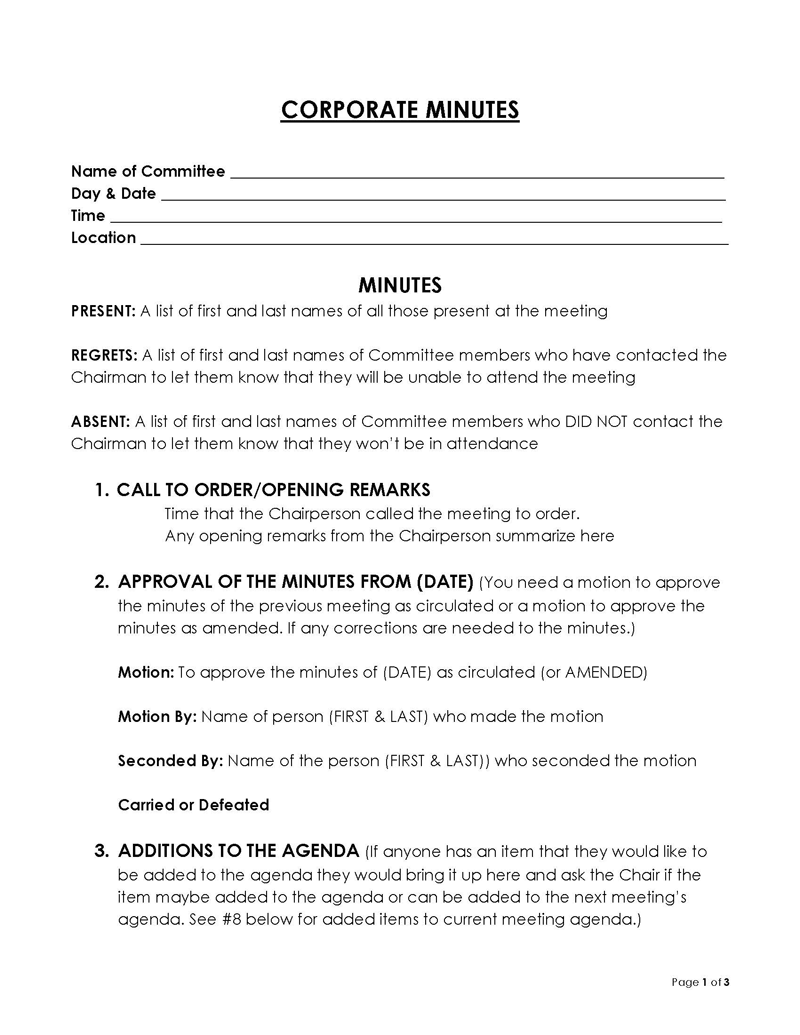
A robust agenda is the foundation of any effective corporate minutes. It clearly outlines the topics to be discussed, the desired outcomes, and the time allotted for each item. A well-defined agenda ensures that all participants are prepared and focused, leading to more productive meetings. The agenda should be circulated in advance of the meeting, allowing attendees to review the topics and come prepared with relevant information. A clear agenda also helps to keep the meeting on track and prevents it from meandering into irrelevant discussions. Corporate Minutes Template Word is particularly useful when utilizing an agenda, as it allows for easy tracking of progress and identification of potential roadblocks.
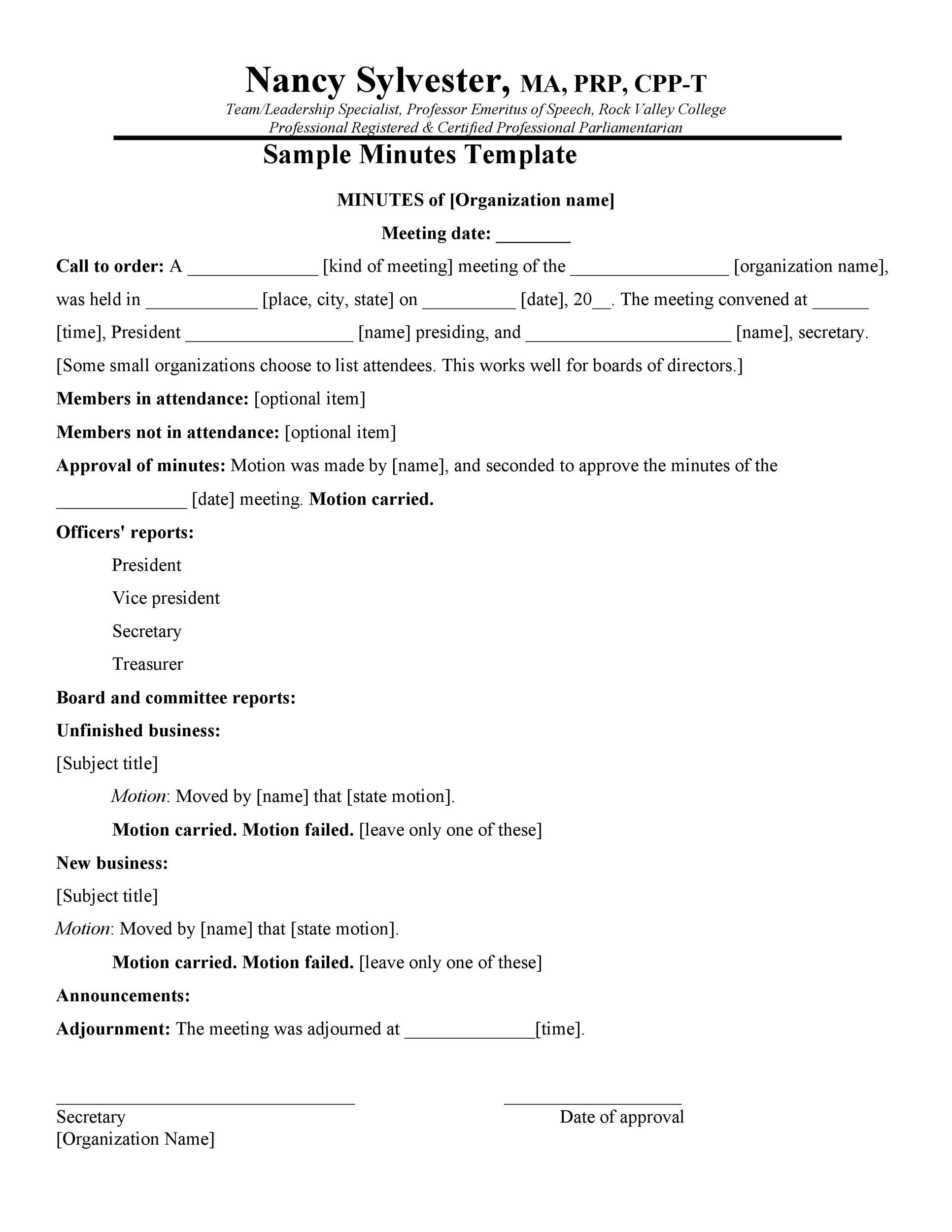
Key Sections of a Comprehensive Corporate Minutes Template
Let's examine the essential sections that comprise a truly effective corporate minutes template. Each section plays a vital role in capturing the essence of the meeting and ensuring accurate record-keeping.
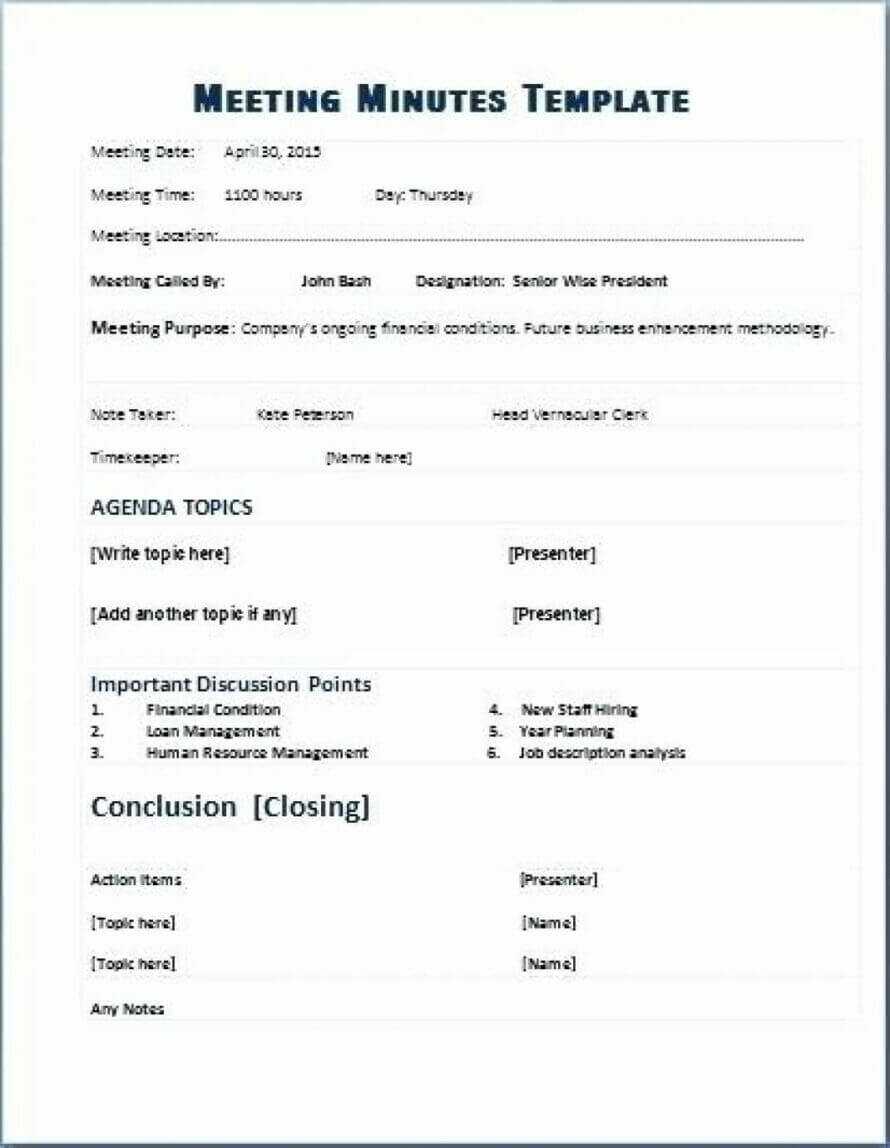
1. Meeting Information
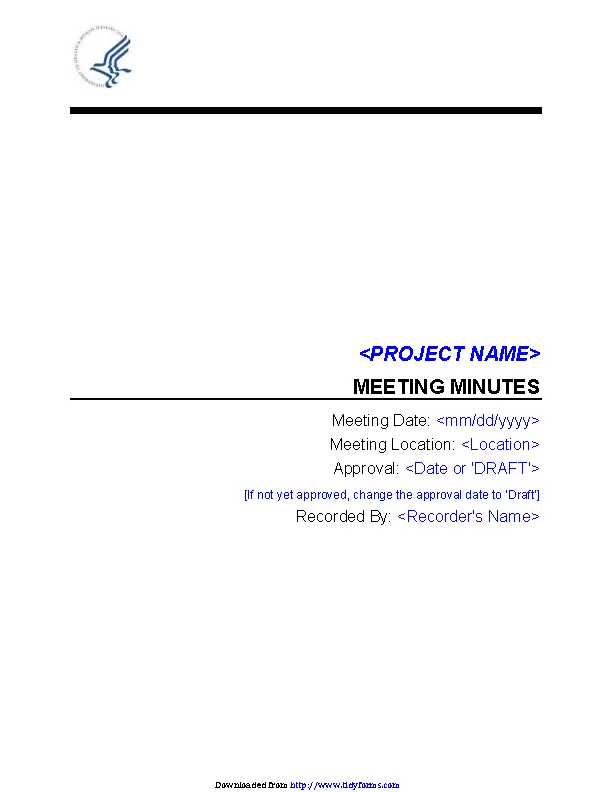
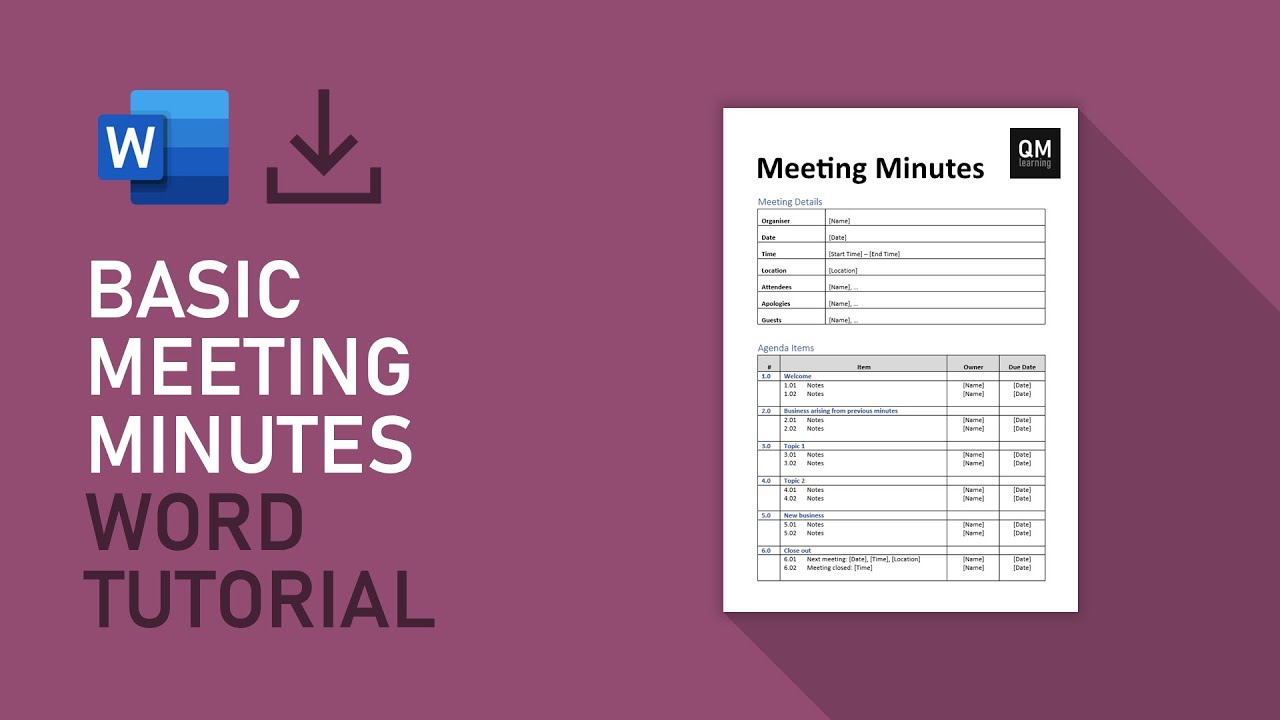
This section provides basic details about the meeting, including the date, time, location (physical or virtual), and attendees. It's crucial to accurately record all relevant information to ensure that the minutes are complete and reliable. The meeting leader should also include their name and title.

2. Attendees
A complete list of all attendees is essential. Include names, titles, and contact information (email address or phone number) for each participant. It's helpful to include a brief bio or relevant background information for each attendee, particularly for more senior stakeholders. Maintaining an accurate attendee list ensures that everyone is aware of their role in the meeting.
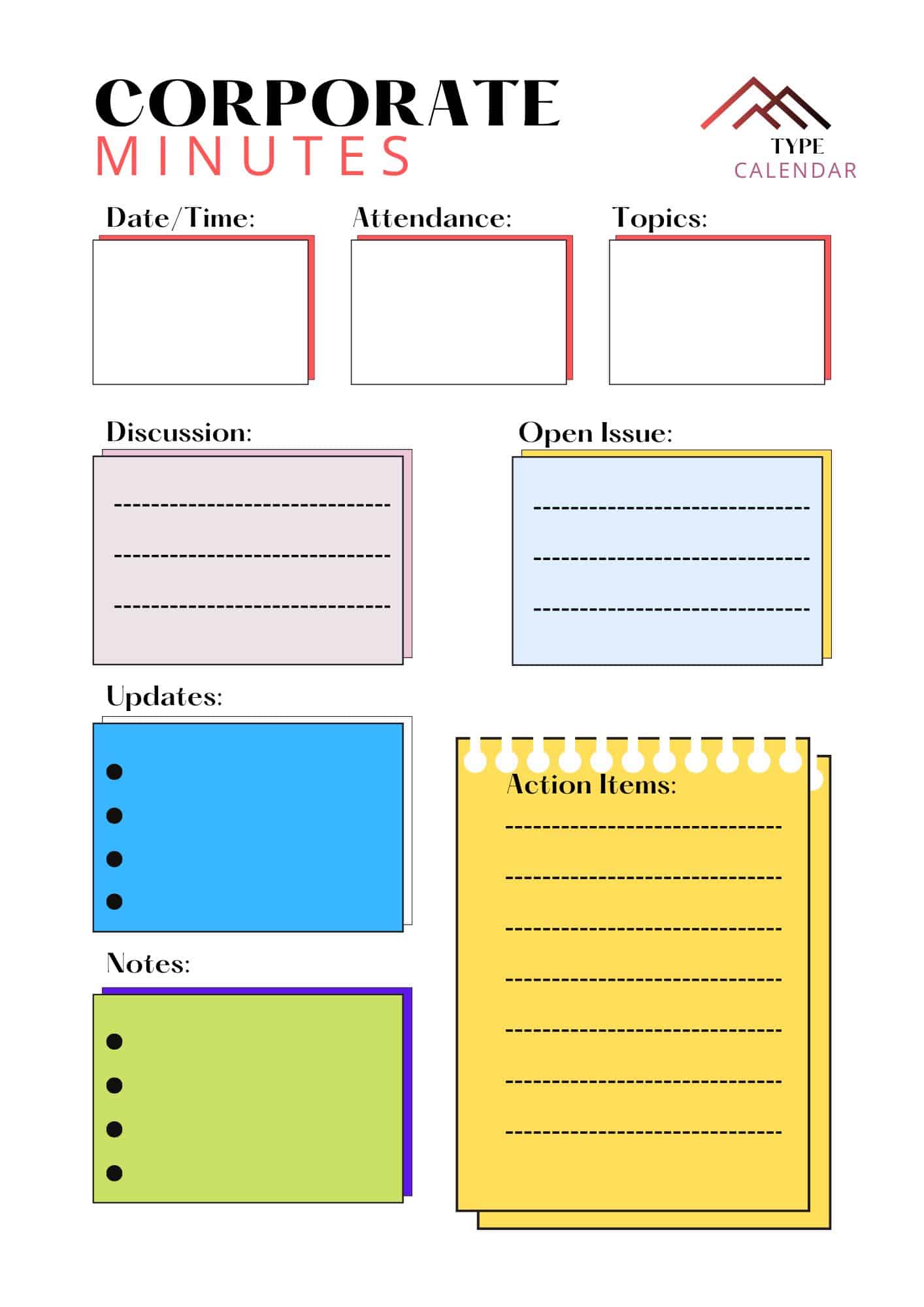
3. Agenda Items
This is the core of the minutes, detailing the topics to be discussed. Each item should be clearly stated, including the purpose of the discussion and the desired outcome. Use concise language and avoid jargon. Consider using a numbered list for easy reference.
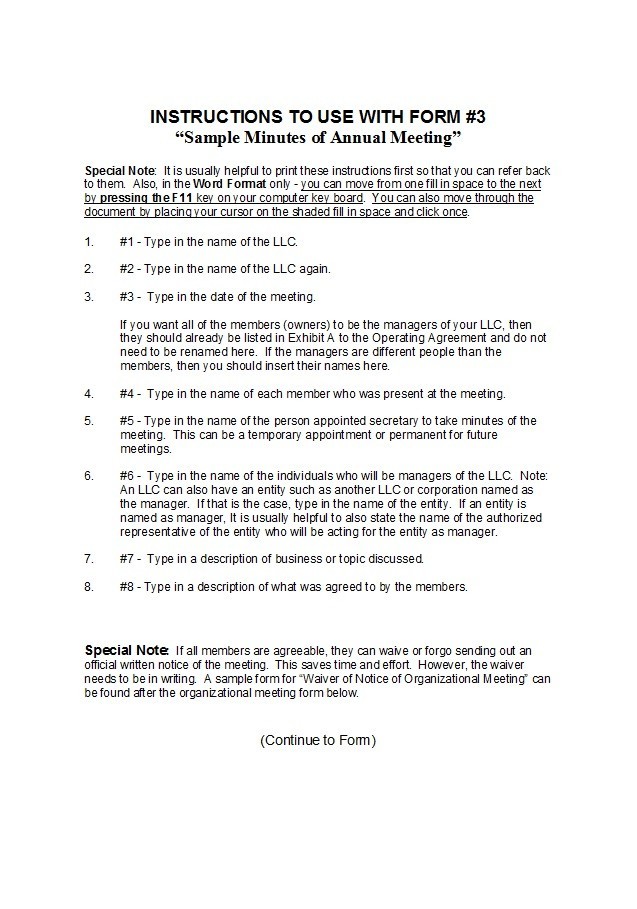
4. Decisions Made
Document all decisions that were made during the meeting. Clearly state the decision, the rationale behind it, and who is responsible for implementing it. This section is critical for tracking accountability and ensuring that decisions are followed. A simple "Approved" or "Rejected" designation can be used to indicate the outcome.
5. Action Items
This section outlines specific action items assigned to individuals, including who is responsible for each action and the deadline for completion. Action items should be clear, concise, and measurable. A task list is a valuable tool for tracking progress and ensuring that follow-up is completed. Using a consistent format for action items (e.g., "Assign to: [Name], Due Date: [Date]") improves clarity and efficiency.
6. Notes and Observations
This section provides a space for capturing any relevant notes, observations, or insights that were discussed during the meeting. This can include anything from important details to unexpected developments. It's a valuable opportunity to capture information that might not have been captured in the agenda or discussion.
Utilizing Corporate Minutes Template Word for Improved Communication
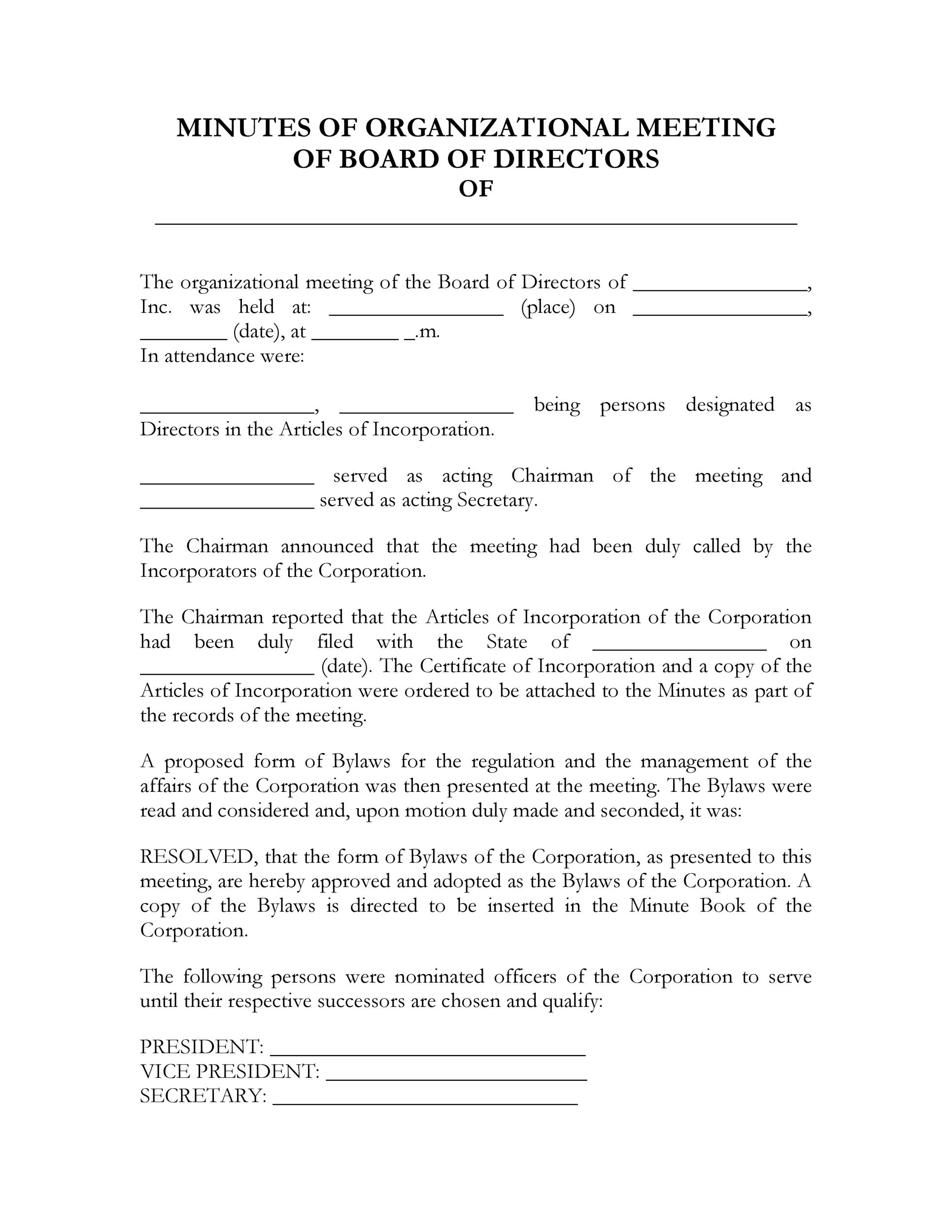
The true power of a corporate minutes template lies in its ability to facilitate clear and consistent communication. By utilizing this template effectively, organizations can significantly improve their internal communication processes. The digital format allows for easy distribution and access, while the structured format ensures that all relevant information is captured accurately. Furthermore, the template can be customized to meet the specific needs of your organization. Consider adding sections for project updates, performance reviews, or other relevant information.

Conclusion
Corporate minutes are an indispensable tool for organizations seeking to enhance communication, improve accountability, and drive operational efficiency. Choosing the right template, utilizing a well-structured agenda, and diligently documenting key decisions and action items are all crucial steps in maximizing the benefits of a corporate minutes template word. By embracing this structured approach, organizations can foster a culture of transparency, collaboration, and continuous improvement. The consistent application of a robust corporate minutes template word will undoubtedly contribute to a more productive and successful business environment. Investing in a quality template is an investment in your organization's future.
0 Response to "Corporate Minutes Template Word"
Posting Komentar