
The modern business landscape is increasingly reliant on efficient and effective IT operations. Organizations are facing unprecedented challenges – from cybersecurity threats and system outages to outdated software and inefficient workflows. Successfully navigating these complexities requires a structured approach to monitoring, analysis, and reporting. That's where an It Management Report Template comes in – a crucial tool for understanding, optimizing, and proactively addressing IT needs. This article will delve into the importance of these reports, explore their key components, and provide a practical guide to creating a template that delivers valuable insights. It Management Report Template is more than just a document; it's a strategic asset, enabling informed decision-making and driving tangible improvements in IT performance. Understanding the principles behind effective reporting is paramount for any organization striving for operational excellence.
The rise of cloud computing, mobile devices, and the Internet of Things (IoT) has dramatically increased the complexity of IT environments. Traditional IT management approaches are often insufficient to keep pace with these evolving demands. Organizations need robust systems to track hardware and software assets, monitor performance, identify security vulnerabilities, and assess the overall health of their IT infrastructure. Without a standardized reporting process, it's difficult to gain a clear picture of what's working, what's not, and where improvements can be made. A well-designed It Management Report Template provides the foundation for this critical analysis.
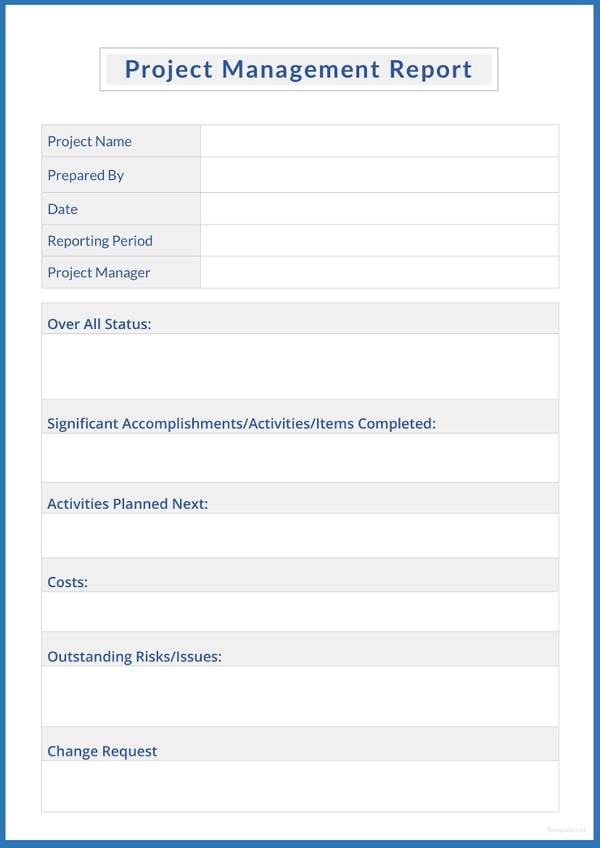
Understanding the Core Components of an It Management Report
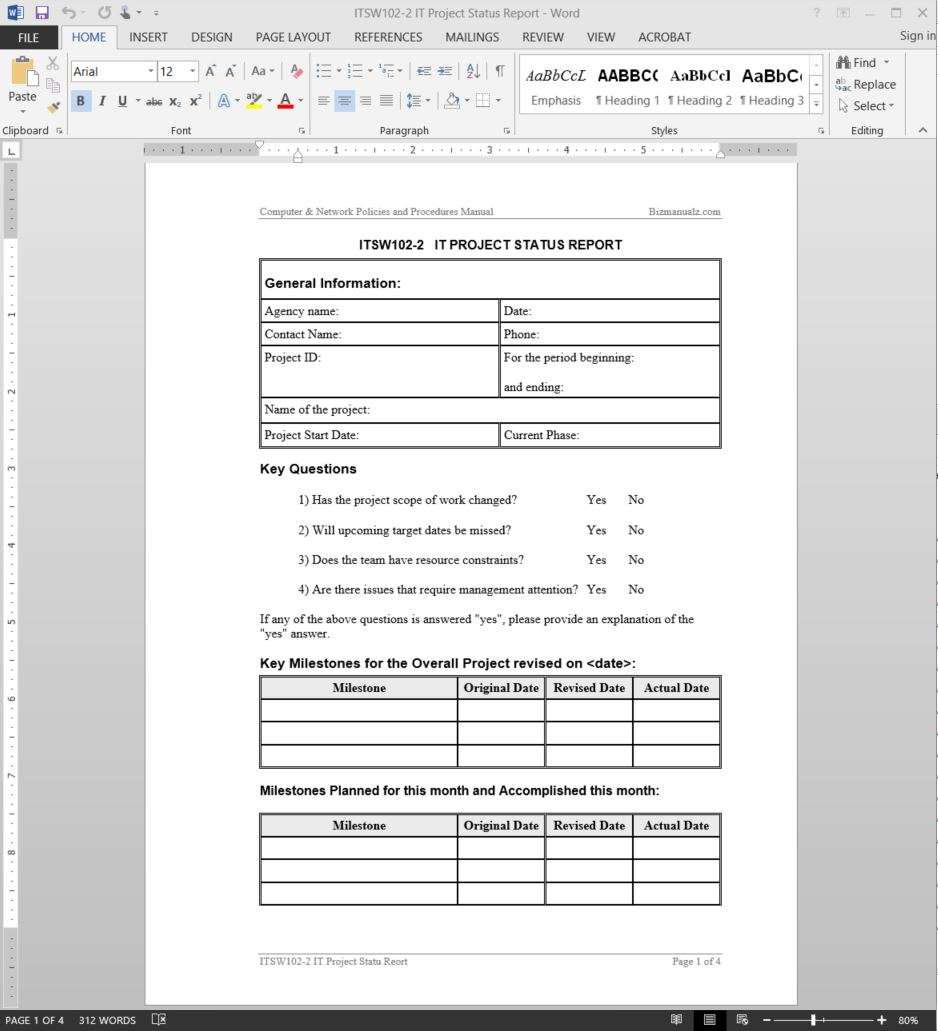
A comprehensive It Management Report Template typically includes several key sections. Each section addresses a specific aspect of IT operations. The structure is designed to be flexible, allowing organizations to tailor the report to their unique needs and priorities. Here's a breakdown of the essential components:
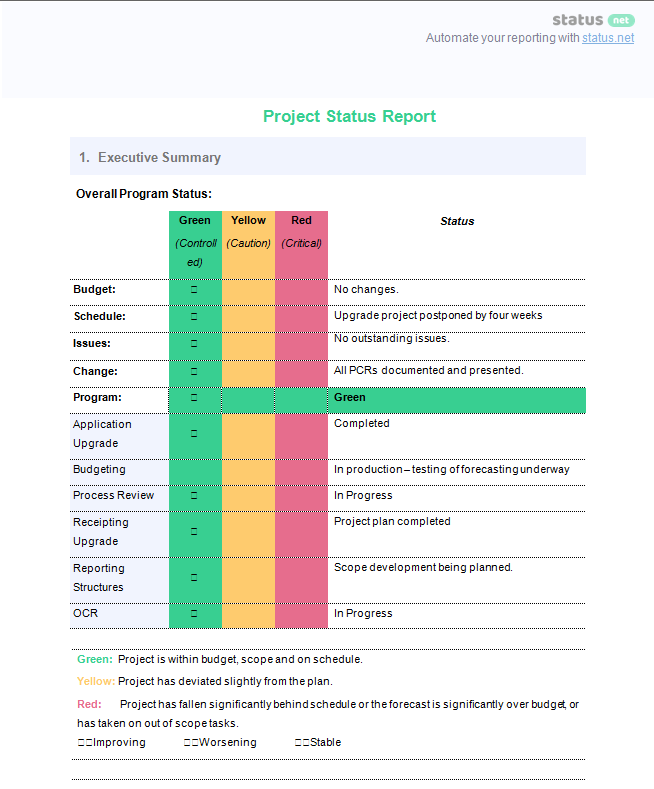
- Executive Summary: This is arguably the most important section, providing a high-level overview of the report's findings. It should be concise and easily digestible for busy executives. It should clearly state the key metrics, challenges, and recommendations. It Management Report Template emphasizes the need for a succinct summary that immediately highlights the most critical information.
- IT Asset Inventory: This section details the organization's hardware, software, and network assets. It includes information such as device serial numbers, software licenses, and purchase dates. A detailed inventory is crucial for tracking asset lifecycle and identifying potential redundancies or obsolete equipment.
- Performance Metrics: This section tracks key performance indicators (KPIs) related to IT operations. Examples include system uptime, application response times, network bandwidth utilization, and security incident rates. Regular monitoring of these metrics allows organizations to identify trends and proactively address potential problems.
- Security & Compliance: This section focuses on the security posture of the IT environment. It covers vulnerability assessments, penetration testing results, security incident logs, and compliance with relevant regulations (e.g., GDPR, HIPAA). A strong security focus is increasingly vital, and this section provides a clear record of efforts to mitigate risks.
- Cost Analysis: This section analyzes the costs associated with IT operations, including hardware, software, maintenance, and support. Understanding cost drivers is essential for optimizing IT spending and demonstrating value to the organization.
- Risk Assessment: This section identifies potential risks to the IT environment, such as cyberattacks, data breaches, and system failures. It outlines mitigation strategies and contingency plans.
- Recommendations: This is the concluding section of the report, providing actionable recommendations for improving IT operations. These recommendations should be specific, measurable, achievable, relevant, and time-bound (SMART).
Building Your Own It Management Report Template
Creating a robust It Management Report Template requires careful planning and execution. There are several ways to structure the report, and the best approach will depend on the organization's specific needs. Here's a suggested framework:
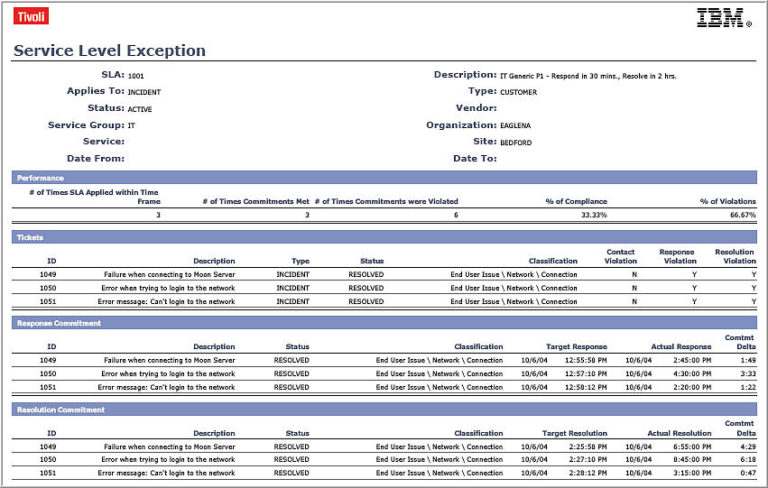
- Data Collection: Begin by gathering data from various sources, including system monitoring tools, security logs, asset management systems, and user feedback.
- Data Analysis: Analyze the collected data to identify trends, patterns, and anomalies. Use data visualization tools to present the information in a clear and concise manner.
- Report Formatting: Use a consistent format throughout the report, including clear headings, subheadings, and bullet points. Employ visuals (charts, graphs, and tables) to illustrate key findings.
- Customization: Tailor the report to the specific needs of the organization. Include relevant metrics and data that are most important to the business.
- Regular Updates: The It Management Report Template should be updated regularly to reflect changes in the IT environment.
The Importance of Automation
Modern IT environments often involve a significant amount of data. Automating the report generation process can save time and improve accuracy. Tools like IT asset management software and reporting platforms can automate data collection, analysis, and report generation. This automation frees up IT staff to focus on more strategic initiatives. Furthermore, integrating IT data with business intelligence (BI) tools can provide deeper insights and enable more informed decision-making.
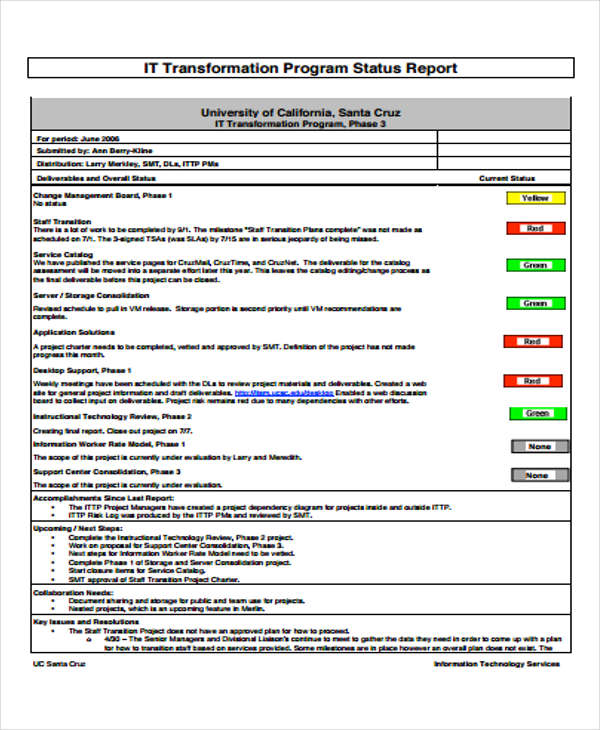
Leveraging Technology for Enhanced Reporting
Several technologies can significantly enhance the effectiveness of an It Management Report Template. Cloud-based reporting platforms, for example, offer scalability, accessibility, and real-time data visualization. Data visualization tools, such as Tableau and Power BI, allow for the creation of interactive dashboards that provide a comprehensive view of IT operations. Furthermore, AI-powered analytics can automate the identification of anomalies and potential risks.

Conclusion
An effective It Management Report Template is an indispensable tool for organizations seeking to optimize their IT operations. By providing a structured and comprehensive view of IT assets, performance, and security, these reports enable informed decision-making, proactive problem-solving, and ultimately, improved business outcomes. It Management Report Template is a critical component of a successful IT strategy. Investing in the creation and maintenance of a well-designed report is an investment in the future of the organization. As technology continues to evolve, the need for robust IT management reporting will only become more critical. Continuous improvement and adaptation of the report are essential to remain ahead of the curve.
Conclusion
The modern IT landscape demands a proactive and data-driven approach. An It Management Report Template provides the framework for this approach, enabling organizations to understand, monitor, and optimize their IT investments. By consistently tracking key metrics, identifying potential risks, and proactively addressing issues, organizations can ensure that their IT infrastructure is performing optimally and supporting the achievement of business goals. Ultimately, a well-executed It Management Report Template is a powerful tool for driving operational efficiency, reducing costs, and enhancing the overall value of IT. The continued evolution of IT requires a commitment to robust reporting practices, and the It Management Report Template remains a cornerstone of this commitment.
0 Response to "It Management Report Template"
Posting Komentar