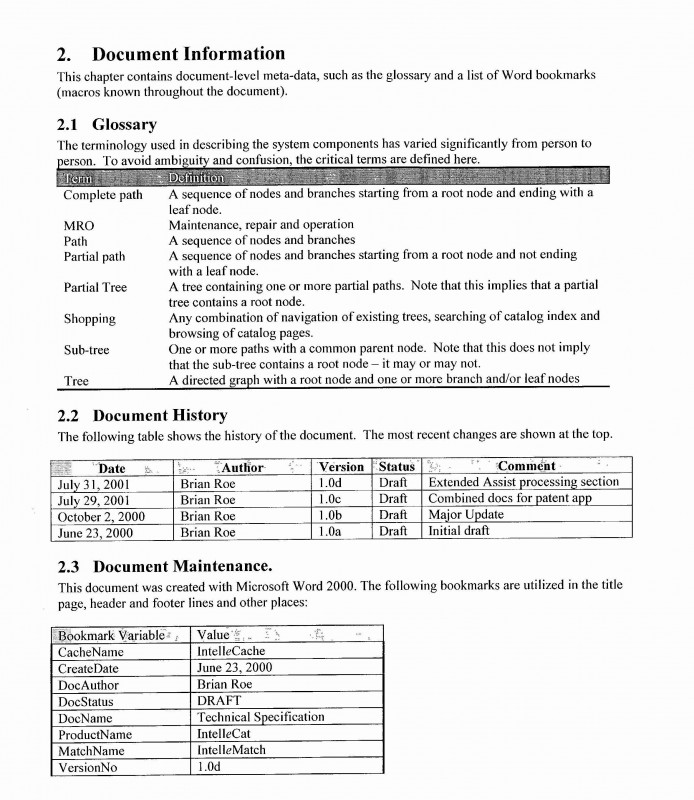
The world of technical documentation relies heavily on clear, concise, and visually appealing reports. A well-structured Latex technical report template is an invaluable tool for researchers, engineers, and anyone involved in creating detailed technical specifications, analyses, and findings. This article will delve into the essential components of a robust Latex technical report template, providing a comprehensive guide to creating reports that are both informative and professional. Latex Technical Report Template is more than just a format; it's a framework for conveying complex information effectively. It's about ensuring your report is easily understood, navigable, and ultimately, impactful. Choosing the right template and understanding its nuances can significantly improve the quality and efficiency of your technical communication. Let's explore how to build a template that truly serves your needs.
Understanding the Purpose of a Latex Technical Report Template
Before diving into the specific elements, it's crucial to understand why a Latex technical report template is so important. These reports are often used in a variety of fields, including:
- Engineering: Documenting design specifications, testing results, and system performance.
- Scientific Research: Presenting findings, methodologies, and data analysis.
- Software Development: Creating user manuals, technical documentation, and release notes.
- Manufacturing: Providing detailed instructions for assembly, maintenance, and repair.
The template provides a consistent structure, ensuring all relevant information is presented in a logical and organized manner. It streamlines the report creation process, saving time and reducing errors. A well-designed template fosters professionalism and enhances credibility.
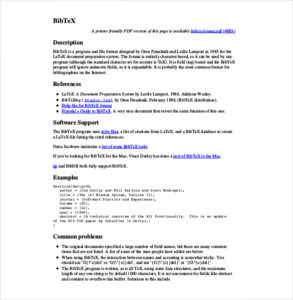
Section 1: The Foundation – Report Title and Author Information
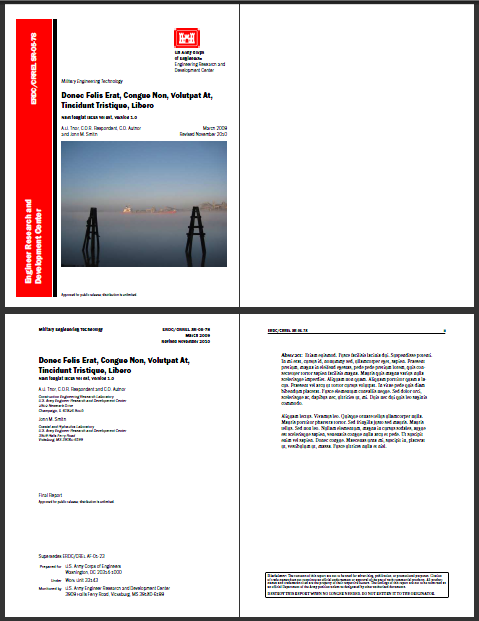
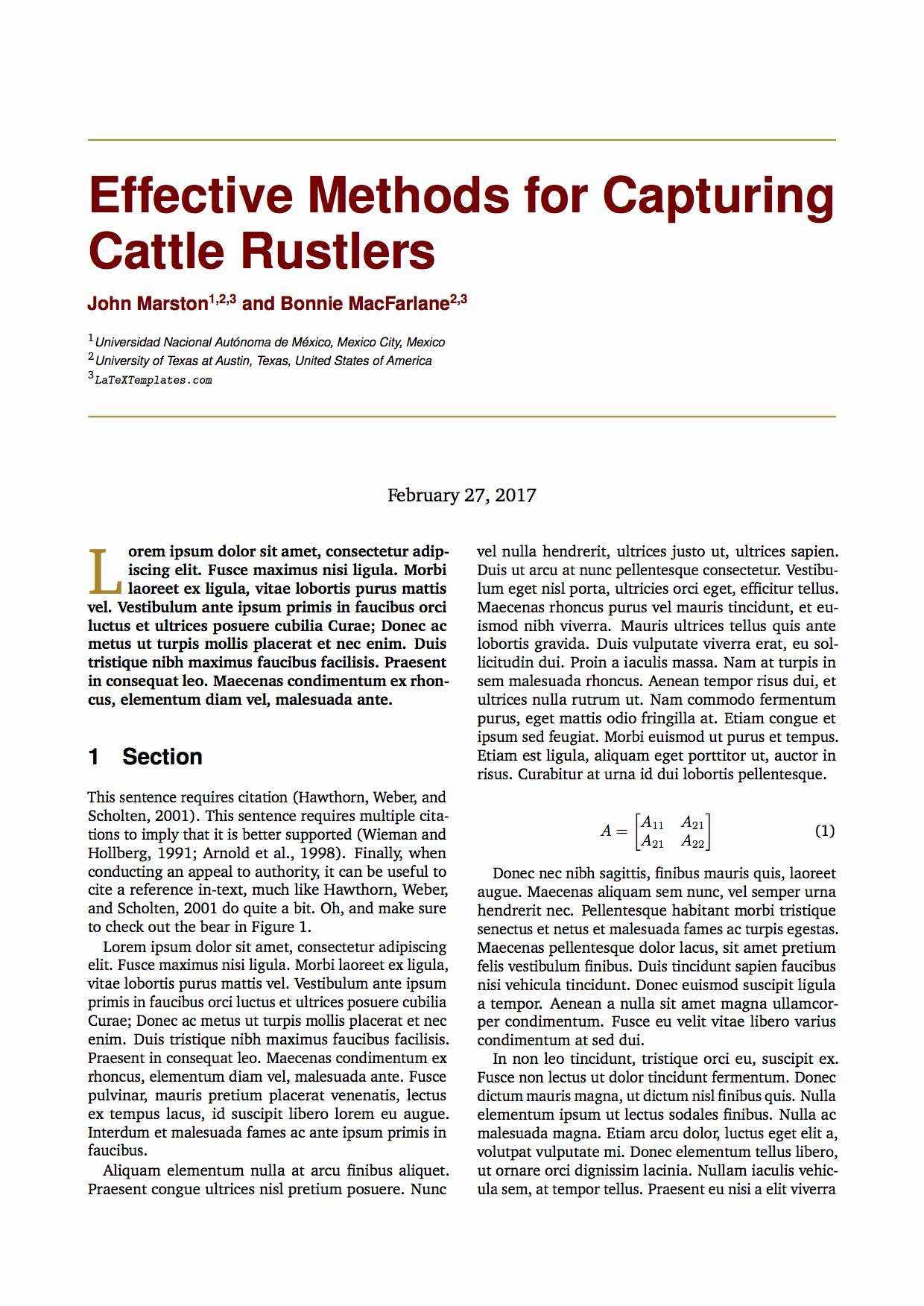
The first section of the template typically includes the report title and the author's name or affiliation. The title should be concise and accurately reflect the report's content. The author's name and contact information are essential for follow-up inquiries. A clear and professional title is the first impression you make. For example: "Preliminary Report: Implementation of Automated Data Analysis System" or "Performance Analysis of Novel Polymer Composite." Properly formatted author information, including contact details, is vital for collaboration and accountability.
Section 2: Executive Summary – The Quick Overview
This section is arguably the most crucial. It's a brief (typically 100-200 words) summary of the entire report, highlighting the key findings, conclusions, and recommendations. It should be written after the report is completed, allowing for a fresh perspective. The executive summary should be compelling and clearly articulate the report's main points. It's often the first thing reviewers will read, so it needs to grab their attention. A strong executive summary sets the stage for the rest of the report. Latex Technical Report Template emphasizes the importance of this section – it's the gateway to the full document.
Section 3: Introduction – Setting the Context
The introduction provides the background and context for the report. It should clearly state the problem or question being addressed, the objectives of the study, and the scope of the work. It also briefly outlines the methodology used. A well-written introduction establishes the importance of the report and guides the reader through the key information. It's a chance to introduce the reader to the situation being investigated. Consider including a brief overview of relevant previous work. Latex Technical Report Template requires a solid introduction to ensure the reader understands the purpose of the document.

Section 4: Methodology – How Was It Done?
This section details the methods used to conduct the research or analysis. It should include a description of the experimental setup, data collection procedures, analysis techniques, and any relevant software or hardware used. Be specific and provide enough detail for someone else to replicate the methodology. This section is critical for ensuring the validity and reliability of the findings. Clearly define any assumptions made during the research process. For example, if using a simulation model, specify the software and parameters used. Latex Technical Report Template requires a detailed methodology section to build trust in the report's accuracy.
Section 5: Results – Presenting the Findings
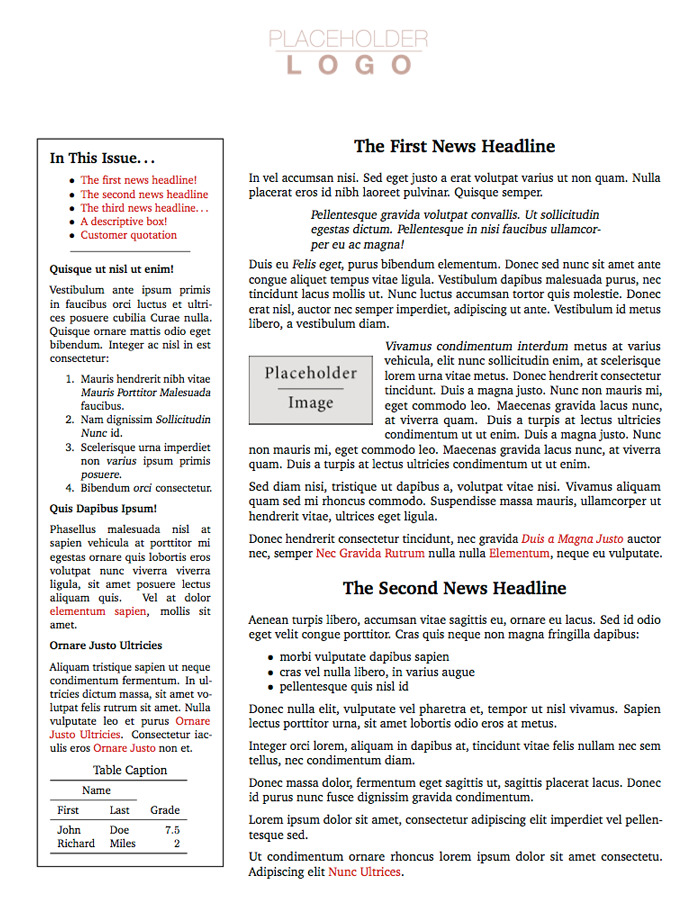
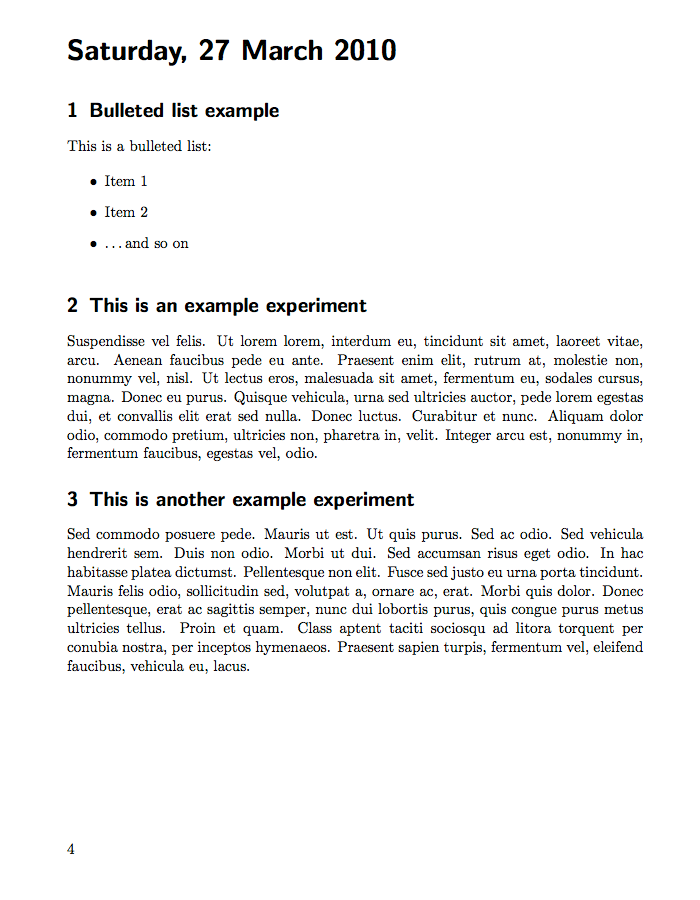
This section presents the data and results obtained during the research or analysis. It should be presented clearly and concisely, using tables, figures, and charts to illustrate the findings. Each result should be accompanied by a descriptive caption explaining its significance. Avoid overwhelming the reader with too much data; focus on the most important findings. Ensure all figures and tables are clearly labeled and referenced in the text. Latex Technical Report Template relies on this section to effectively communicate the results of the work.
Section 6: Discussion – Interpreting the Results
This section interprets the results in the context of the research question and objectives. It discusses the implications of the findings and relates them back to the methodology. It also addresses any limitations of the study and suggests areas for future research. A thoughtful discussion section demonstrates a deep understanding of the results and their significance. It's where you move beyond simply presenting data and begin to analyze what it means. Latex Technical Report Template necessitates a robust discussion section to provide a comprehensive understanding of the findings.

Section 7: Conclusions – Summarizing the Key Findings
The conclusions summarize the main findings of the report and state the overall conclusions drawn from the data. They should be concise and clearly articulate the key takeaways. Avoid introducing new information in the conclusion; simply restate the findings and their implications. The conclusion should provide a clear and actionable recommendation if appropriate. It's the final statement that summarizes the report's overall message. Latex Technical Report Template emphasizes the importance of a strong conclusion to leave a lasting impression.
Section 8: Recommendations – Actionable Steps
This section provides specific recommendations based on the findings of the report. These recommendations should be practical and actionable, outlining the steps that should be taken to address the issues identified. Recommendations should be clearly linked back to the conclusions and the overall objectives of the report. A well-defined set of recommendations demonstrates a clear understanding of the problem and a plan for solving it. Latex Technical Report Template requires a clear section for recommendations to ensure the report's practical value.
Section 9: Appendices – Supporting Materials
This section includes any supplementary materials that are not essential to the main body of the report, such as raw data, detailed calculations, code snippets, or questionnaires. It's important to keep the appendices separate from the main body of the report to maintain clarity and readability. Properly labeled appendices enhance the report's overall quality.
Conclusion
The Latex technical report template provides a structured framework for creating comprehensive and effective technical documentation. By adhering to the principles outlined in this article, you can develop reports that are both informative and visually appealing, ultimately enhancing communication and collaboration within your organization. Remember that a well-designed template is not just about formatting; it's about conveying information clearly and effectively. The consistent application of these elements will significantly improve the quality and impact of your technical reports. Ultimately, a thoughtfully constructed template contributes to improved project outcomes and a stronger professional reputation. The core principles of a robust technical report template – clear structure, thorough methodology, insightful discussion, and actionable recommendations – remain paramount for success.
0 Response to "Latex Technical Report Template"
Posting Komentar