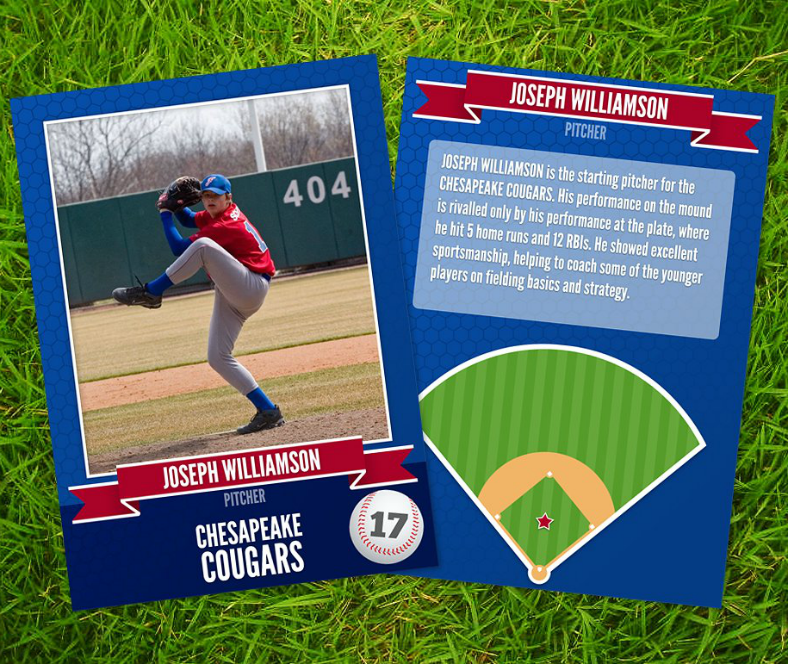
The world of baseball cards is a fascinating blend of nostalgia, collecting, and a surprisingly complex industry. From humble beginnings to the global phenomenon it is today, the history of baseball cards is rich and full of stories. At the heart of this captivating world lies the creation of templates – digital and physical – that allow collectors to meticulously craft their own unique cards. This article will delve into the world of baseball card templates, exploring their various types, benefits, and how to effectively utilize them for your collection. Baseball Card Template Word is more than just a simple tool; it's a gateway to a deeper appreciation of the sport and a rewarding hobby for enthusiasts of all levels. Whether you're a seasoned collector or just starting your journey, understanding how to create and utilize baseball card templates can significantly enhance your experience. Let's explore the possibilities!
What are Baseball Card Templates?
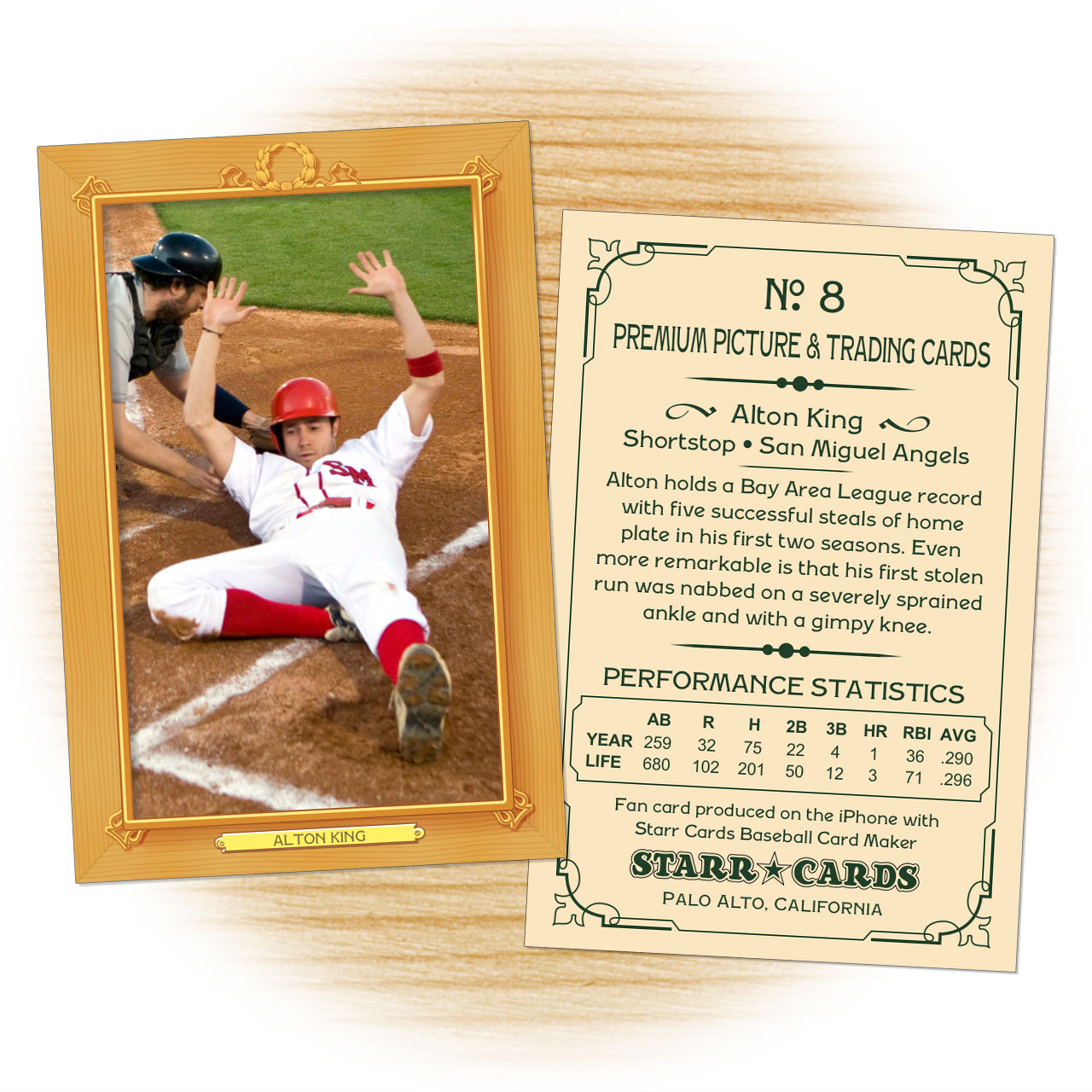
Baseball card templates are digital files – often in formats like Adobe Illustrator or Photoshop – that provide a structured framework for designing and creating your own baseball cards. They're not simply blank canvases; they're meticulously designed blueprints, offering a range of features and customization options. They're incredibly versatile, allowing you to create cards with intricate designs, realistic artwork, and even incorporate elements like player statistics, team logos, and historical context. The key benefit of using templates is that they streamline the design process, reducing the time and effort required to produce a card from scratch. They also offer a level of precision and consistency that's difficult to achieve manually. Different templates cater to various card types – from rookie cards to Hall of Fame cards – each with its own specific design requirements.
Different Types of Baseball Card Templates
There's a vast array of baseball card templates available, each with its own strengths and weaknesses. Here's a breakdown of some of the most popular types:

- Basic Template: This is the most fundamental template, providing a rectangular base and basic shapes for placing artwork. It's a great starting point for beginners and allows for easy customization.
- Detailed Template: These templates offer a significantly more detailed structure, including pre-drawn outlines, borders, and areas for placing specific elements. They're ideal for creating cards with complex designs and intricate artwork.
- Template with Backgrounds: Some templates include pre-printed backgrounds, allowing you to easily add a team logo, player name, or other design elements.
- Template with Grid System: These templates utilize a grid system to ensure consistent alignment and spacing, crucial for creating professional-looking cards.
- Template with Special Features: Some templates incorporate features like scoring areas, player statistics, and even the ability to add annotations.
Benefits of Using Baseball Card Templates
Choosing the right template can dramatically impact the quality and efficiency of your card creation process. Here's a look at some key benefits:
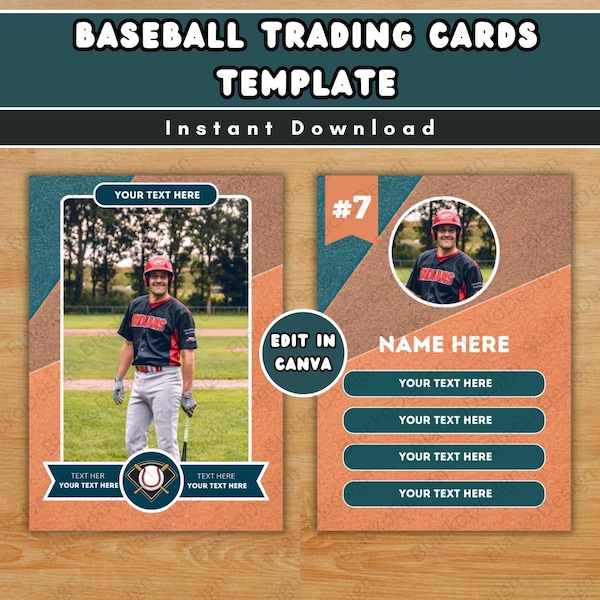
- Time Savings: Templates drastically reduce the time spent on design, allowing you to focus on the artistic aspects of your cards.
- Consistency: Templates ensure consistent design elements across all your cards, maintaining a professional and polished look.
- Precision: Templates provide a structured framework, minimizing errors and ensuring accurate placement of elements.
- Creativity Boost: Templates can spark new ideas and inspire creative designs, pushing you beyond your comfort zone.
- Reduced Costs: While some templates require a purchase, the overall cost of creating cards can be significantly lower compared to designing from scratch.
Utilizing Template Features: A Practical Guide
Once you've selected a template, understanding how to utilize its features is crucial for achieving the desired result. Let's look at some specific features and how to leverage them:
Working with the Grid System
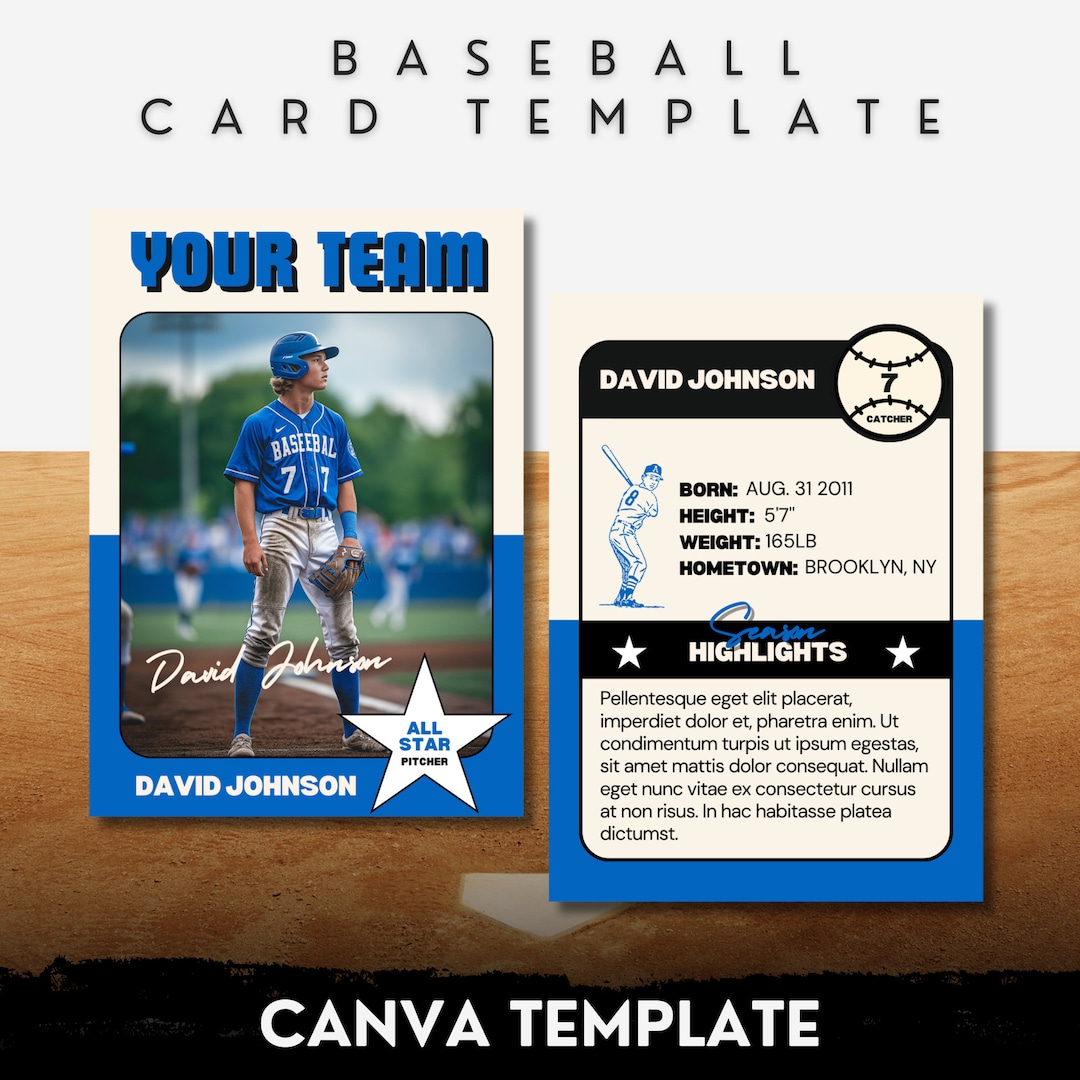
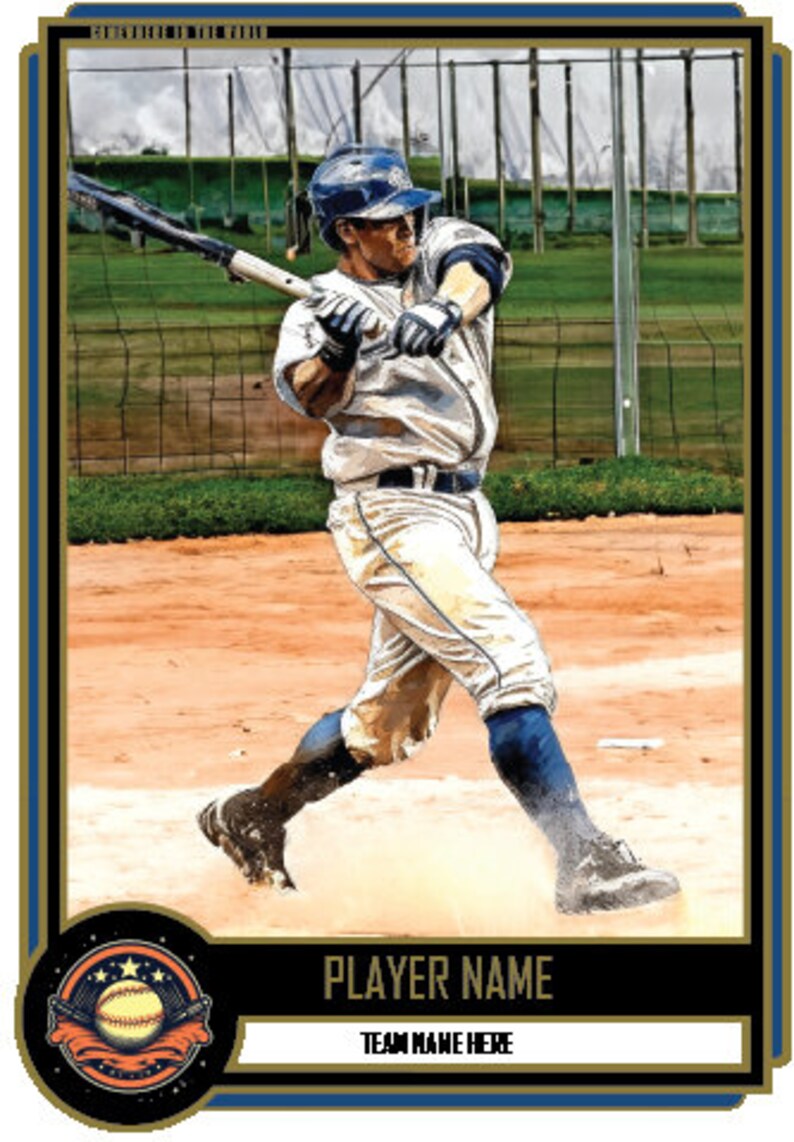
The grid system is a cornerstone of many templates. It's a system of lines and rulers that helps you accurately align elements on your card. When using a grid template, it's essential to understand the grid's dimensions and how to use it to create precise placements. Pay close attention to the grid lines and ensure that your artwork aligns correctly. Many templates include a tool to help you adjust the grid, allowing you to fine-tune the layout.
Customizing the Template
While templates provide a solid foundation, you'll often need to customize them to fit your specific vision. This is where the real creative work begins. You can:
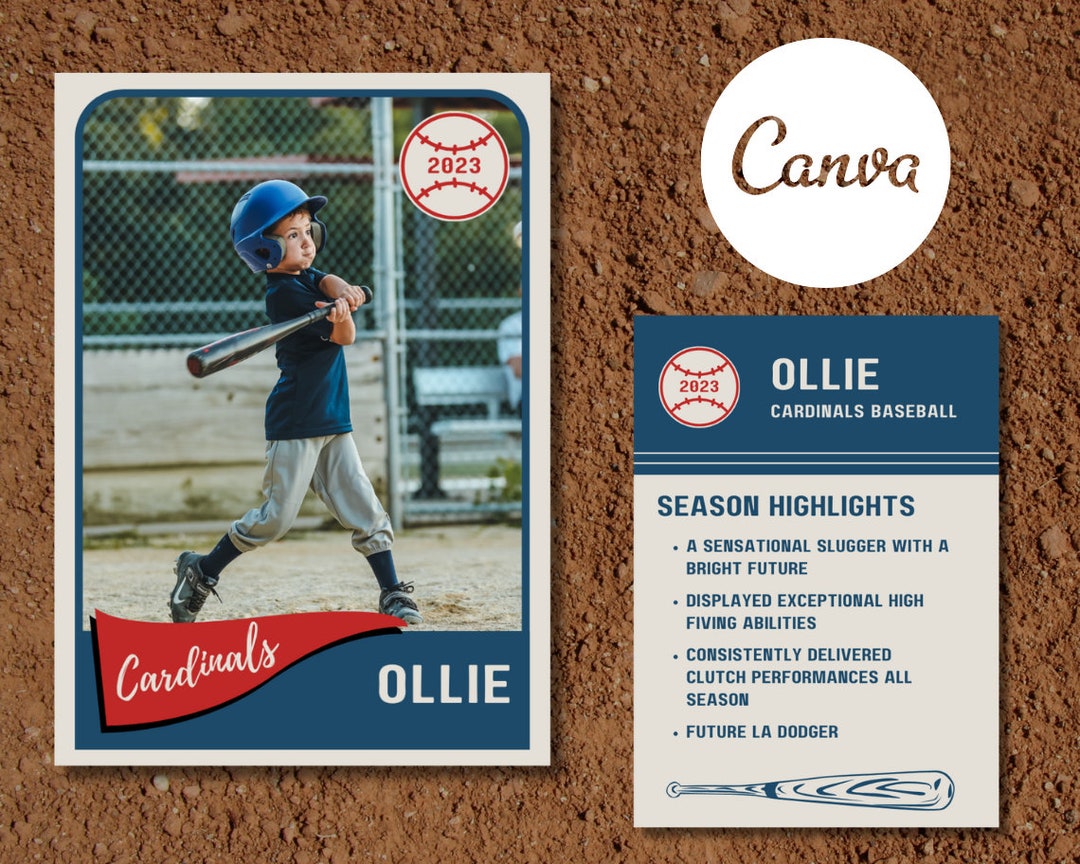
- Adjust Colors: Modify the colors of the artwork and background to match your desired aesthetic.
- Change Fonts: Experiment with different fonts to add personality and style to your cards.
- Add Text: Incorporate player names, team logos, or other text elements.
- Modify Borders and Frames: Adjust the borders and frames to enhance the overall design.
Using Template Tools
Many template programs offer built-in tools for editing and manipulating artwork. These tools allow you to:
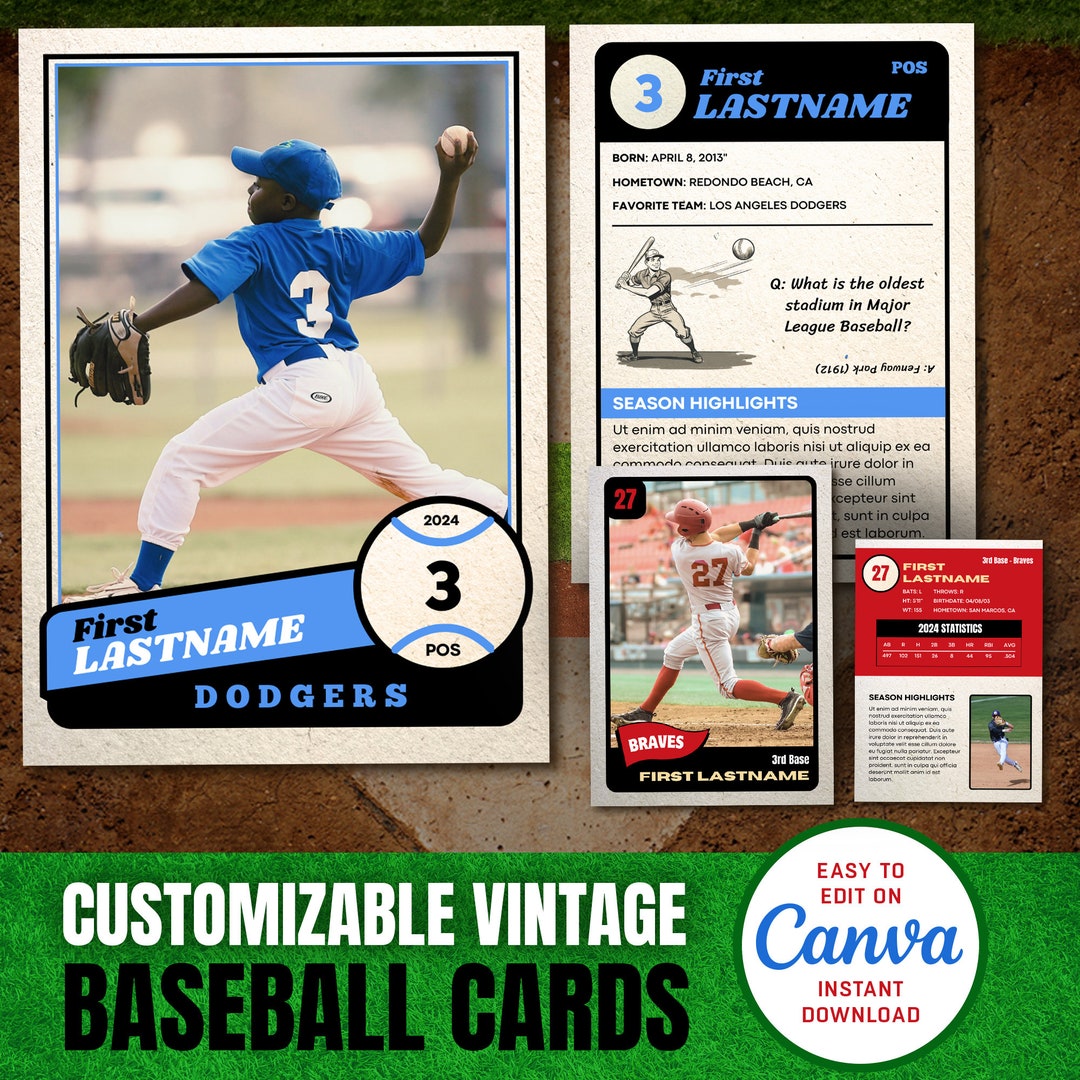
- Resize and Move Elements: Easily resize and move elements within the template.
- Duplicate and Delete: Duplicate sections of the template to create multiple cards.
- Add and Remove Shapes: Add and remove shapes to create custom designs.
- Adjust Layer Order: Control the order in which elements are displayed.
Template Resources and Where to Find Them
There's a wealth of resources available to help you find and utilize baseball card templates. Here are a few popular options:

- Cardboard.com: https://www.cardboard.com/ – A vast online marketplace with a huge selection of templates.
- TemplateLab: https://www.templatelab.com/ – Offers a wide range of templates, including many specifically designed for baseball cards.
- Creative Card Templates: https://www.creativecardtemplates.com/ – A dedicated website specializing in baseball card templates.
- YouTube Tutorials: Numerous YouTube channels offer tutorials on using different template programs and techniques. Search for "baseball card template tutorial" for helpful videos.
Beyond the Basics: Advanced Techniques
Once you're comfortable with the basics, you can explore more advanced techniques to elevate your card designs:

- Layering: Utilize layering to create complex designs with multiple elements stacked on top of each other.
- Blending Modes: Experiment with blending modes in Photoshop to create unique effects and textures.
- Color Grading: Apply color grading to enhance the overall look and feel of your cards.
- Digital Painting: For truly unique designs, consider using digital painting software to create your artwork directly within the template.
Conclusion: The Future of Baseball Card Templates
Baseball card templates have evolved significantly from their humble beginnings. Today, they represent a powerful tool for collectors, enthusiasts, and anyone looking to engage with the world of baseball cards. The accessibility of these templates, combined with the increasing sophistication of design software, has democratized the creation process. As technology continues to advance, we can expect even more innovative and user-friendly template options to emerge. The ability to create and customize your own baseball cards is a rewarding and endlessly fascinating hobby. Baseball Card Template Word is a key component of this journey, empowering you to capture your passion and share your love of the sport. The continued evolution of template technology promises to unlock even greater creative possibilities for collectors and enthusiasts alike. Investing in quality templates and mastering their use is a worthwhile endeavor, offering a tangible connection to the history and excitement of baseball.
0 Response to "Baseball Card Template Word"
Posting Komentar