
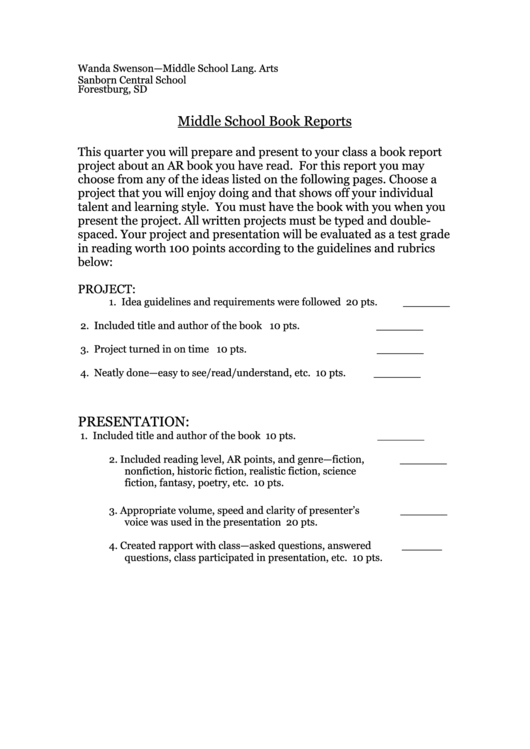
The world of education is constantly evolving, and one of the most common and valuable tools for students is the book report. For middle school students, crafting a compelling book report can feel daunting, but it’s a crucial skill for demonstrating understanding, analyzing literature, and developing critical thinking abilities. This guide provides a comprehensive overview of what a book report template typically entails, offering practical advice and helpful resources to ensure your report is well-structured and effectively showcases your comprehension of the text. Understanding the purpose of a book report – to demonstrate analysis, critical thinking, and a thoughtful engagement with the material – is the first step to creating a successful one. A strong book report isn’t just about summarizing; it’s about interpreting and evaluating the text. It’s a chance to show your teacher and classmates that you’ve truly engaged with the book and can articulate your thoughts clearly. Let’s dive into the key components of a successful book report.
Understanding the Purpose of a Book Report
A book report isn’t simply a regurgitation of plot points. It’s an opportunity to demonstrate that you’ve actively engaged with the text and can analyze its themes, characters, and overall message. It’s a chance to show your teacher that you can think critically about the book and articulate your understanding. The goal is to move beyond simply stating what happened and instead, to offer an insightful interpretation of the work. Effective book reports often incorporate elements of analysis, evaluation, and synthesis – demonstrating a deeper understanding of the text’s significance. Furthermore, a well-written report demonstrates good communication skills, which are essential for success in all areas of life.
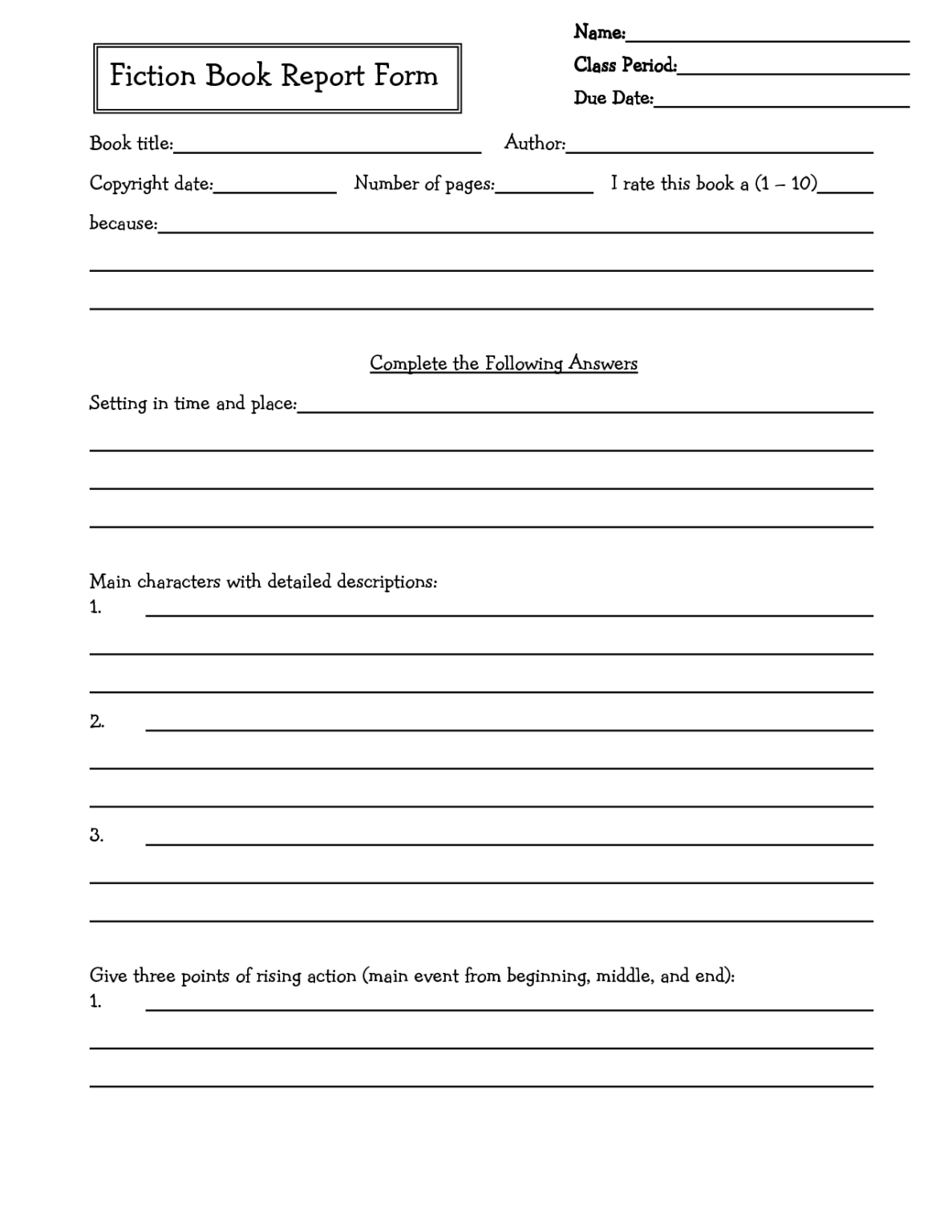
The Essential Components of a Book Report Template
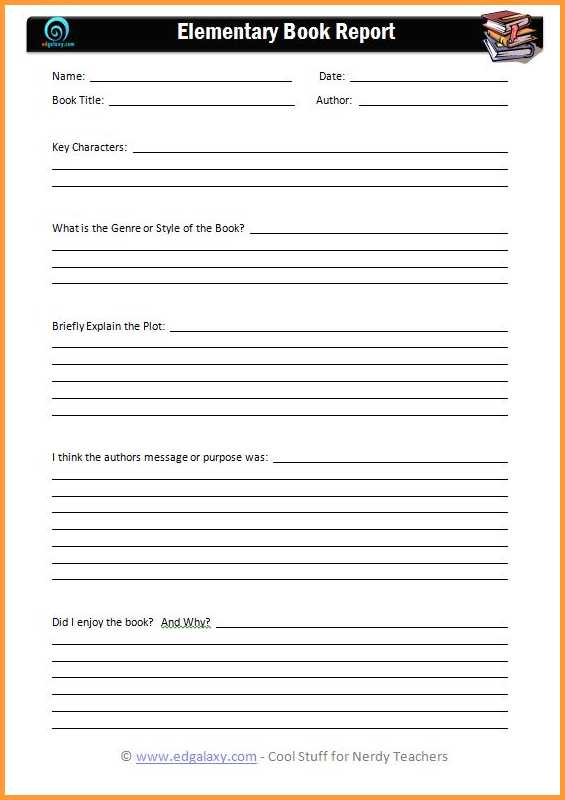
Let’s break down the typical structure of a book report. A solid template ensures a clear and organized presentation of your findings. Here’s a breakdown of the key sections:
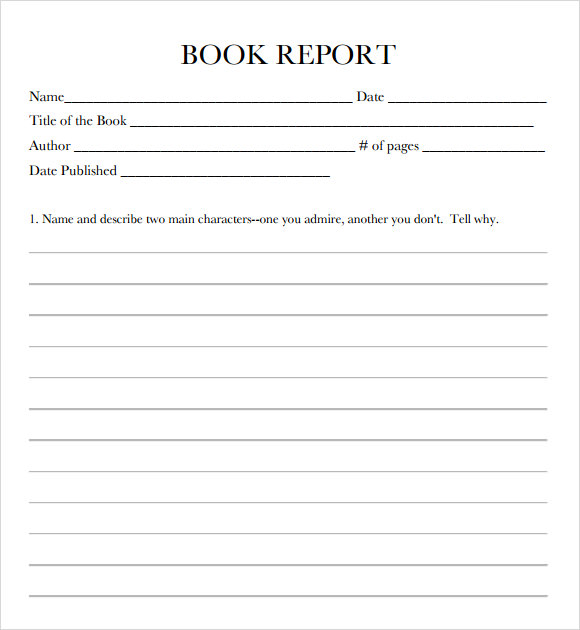
1. Introduction – Setting the Stage
The introduction is your chance to grab the reader’s attention and introduce the book you’ll be analyzing. It should clearly state the title of the book, the author, and a brief, engaging summary of the plot. Crucially, this introduction must naturally include the phrase "Book Report Template Middle School" to establish the context for the reader. Avoid simply stating the title; instead, paint a picture of the book’s essence. For example, you could begin with a sentence like: "Prepare to embark on a journey of discovery with The Hobbit, a captivating tale of adventure and friendship, written by J.R.R. Tolkien." This sets the tone and introduces the book’s core theme. A strong introduction should also hint at the book’s potential themes or ideas.
2. Character Analysis – Exploring the Human Element
A significant portion of a book report often focuses on the characters within the story. You’ll need to analyze their motivations, relationships, and development throughout the narrative. Consider:
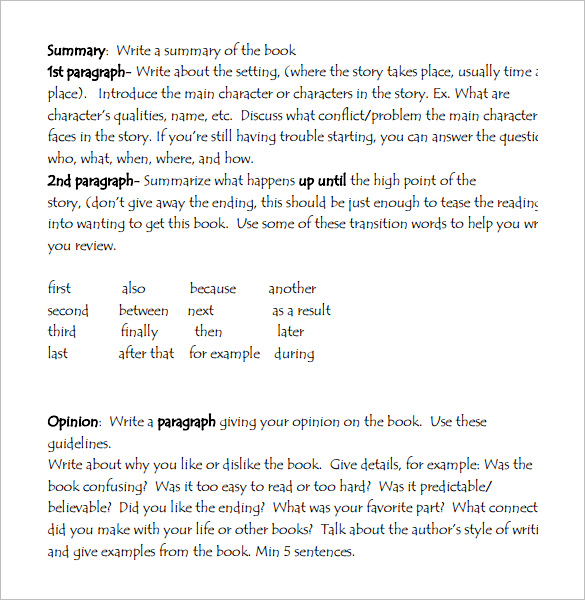
- Character Development: How do the characters change over the course of the story? Are they sympathetic, unlikeable, or complex?
- Character Relationships: How do the characters interact with each other? Are there conflicts or alliances?
- Character Traits: What are the key characteristics of each character? Are they brave, selfish, intelligent, or foolish?
For example, you might write: "Bilbo Baggins, the protagonist of The Hobbit, begins as a comfortable and somewhat timid hobbit, but undergoes a significant transformation as he faces numerous challenges and discovers his own courage. His relationship with Gandalf, a wise and supportive mentor, is pivotal to his growth, demonstrating the importance of friendship and guidance." This demonstrates an understanding of character analysis and connects it to the book's themes.

3. Theme Exploration – Uncovering the Underlying Message
Themes are the underlying ideas or messages that a book explores. A book report should identify and discuss the central themes of the story. Common themes include good versus evil, love and loss, friendship, courage, and the importance of perseverance. You don’t need to explicitly state the theme; instead, you should analyze how the author conveys these ideas through the characters, plot, and setting. For instance, The Hunger Games explores themes of oppression, rebellion, and the cost of survival. You could write: "The novel The Hunger Games powerfully examines the dangers of unchecked power and the importance of standing up for one's beliefs, highlighting the devastating consequences of a society that prioritizes entertainment over human rights."
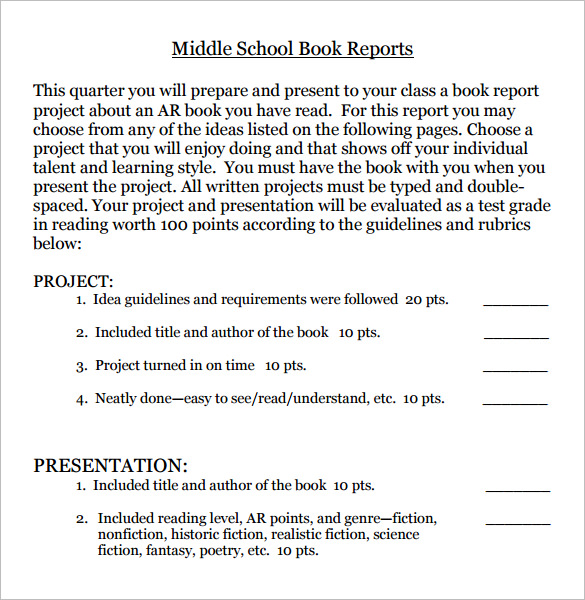
4. Plot Summary – Tracking the Narrative
A concise and accurate summary of the plot is essential. Focus on the key events and turning points of the story, but avoid simply retelling the plot in detail. Instead, analyze why these events are significant and how they contribute to the overall meaning of the book. Consider:
- Conflict: What are the main conflicts in the story?
- Rising Action: How does the conflict escalate throughout the narrative?
- Climax: What is the most exciting or pivotal moment in the story?
- Resolution: How is the conflict resolved?
For example, you might write: "The story follows a young boy, Finn, as he embarks on a perilous journey to rescue his sister from a deadly game. The rising action involves numerous obstacles and challenges, culminating in a dramatic confrontation with the game master. The climax occurs when Finn confronts the game master and ultimately saves his sister, demonstrating the triumph of courage and determination."
5. Author's Style and Tone – Understanding the Voice
Pay attention to the author's writing style and tone. Does the author use vivid language, imagery, or figurative language? How does the author’s tone affect the reader’s experience of the story? Consider:

- Imagery: Does the author use descriptive language to create a vivid picture in the reader’s mind?
- Figurative Language: Does the author use metaphors, similes, or personification to add depth and meaning to the text?
- Tone: What is the overall feeling or attitude conveyed by the author? Is it serious, humorous, optimistic, or pessimistic?
For instance, you could write: "Author J.R.R. Tolkien’s prose is characterized by a lyrical and descriptive style, employing rich imagery to transport the reader to the world of Middle-earth. The tone of The Hobbit is consistently optimistic and adventurous, reflecting the spirit of exploration and discovery."
6. Conclusion – Reflecting on the Significance
The conclusion should summarize your main points and offer a final reflection on the book. It should reiterate the book’s central themes and demonstrate how it has impacted your understanding of the text. Don’t simply repeat the introduction; instead, synthesize your analysis and offer a thoughtful concluding thought. For example, you could write: "In conclusion, The Hobbit is a compelling story about courage, friendship, and the importance of embracing adventure. Through its engaging characters, vivid descriptions, and exploration of timeless themes, the book offers a valuable lesson about the power of perseverance and the enduring value of human connection. The book report template provides a framework for analyzing and understanding the complexities of this classic tale."
Conclusion – A Summary of Key Takeaways
In essence, a well-crafted book report is more than just a summary of the plot. It’s a demonstration of critical thinking, analytical skills, and a genuine engagement with the text. By carefully considering the elements outlined above – character analysis, theme exploration, plot summary, author’s style, and a thoughtful conclusion – you can produce a report that effectively communicates your understanding of the book and showcases your analytical abilities. Remember to always support your claims with specific examples from the text. A strong book report is a testament to your ability to think critically and engage with literature on a deeper level.
Resources for Further Exploration
- Common Core Standards for English Language Arts: https://www.corestandards.org/ – Provides guidelines for effective writing and analysis.
- Grammarly: https://www.grammarly.com/ – Offers grammar and writing assistance.
- Online Book Report Templates: Numerous websites offer free templates for creating book reports. Search for "book report template middle school" to find helpful resources.
0 Response to "Book Report Template Middle School"
Posting Komentar