
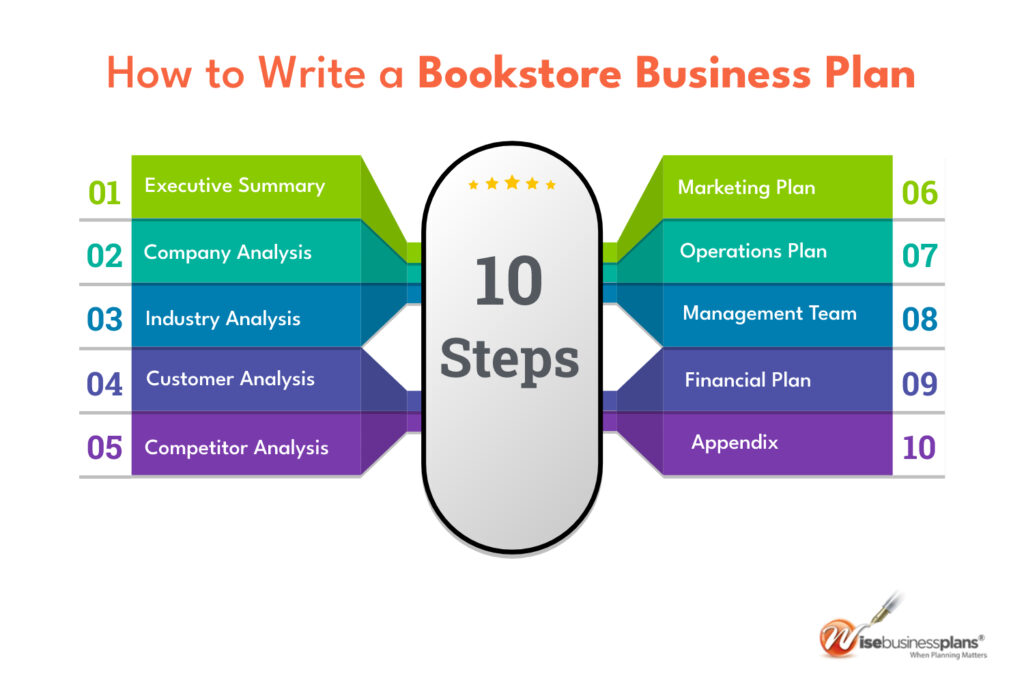
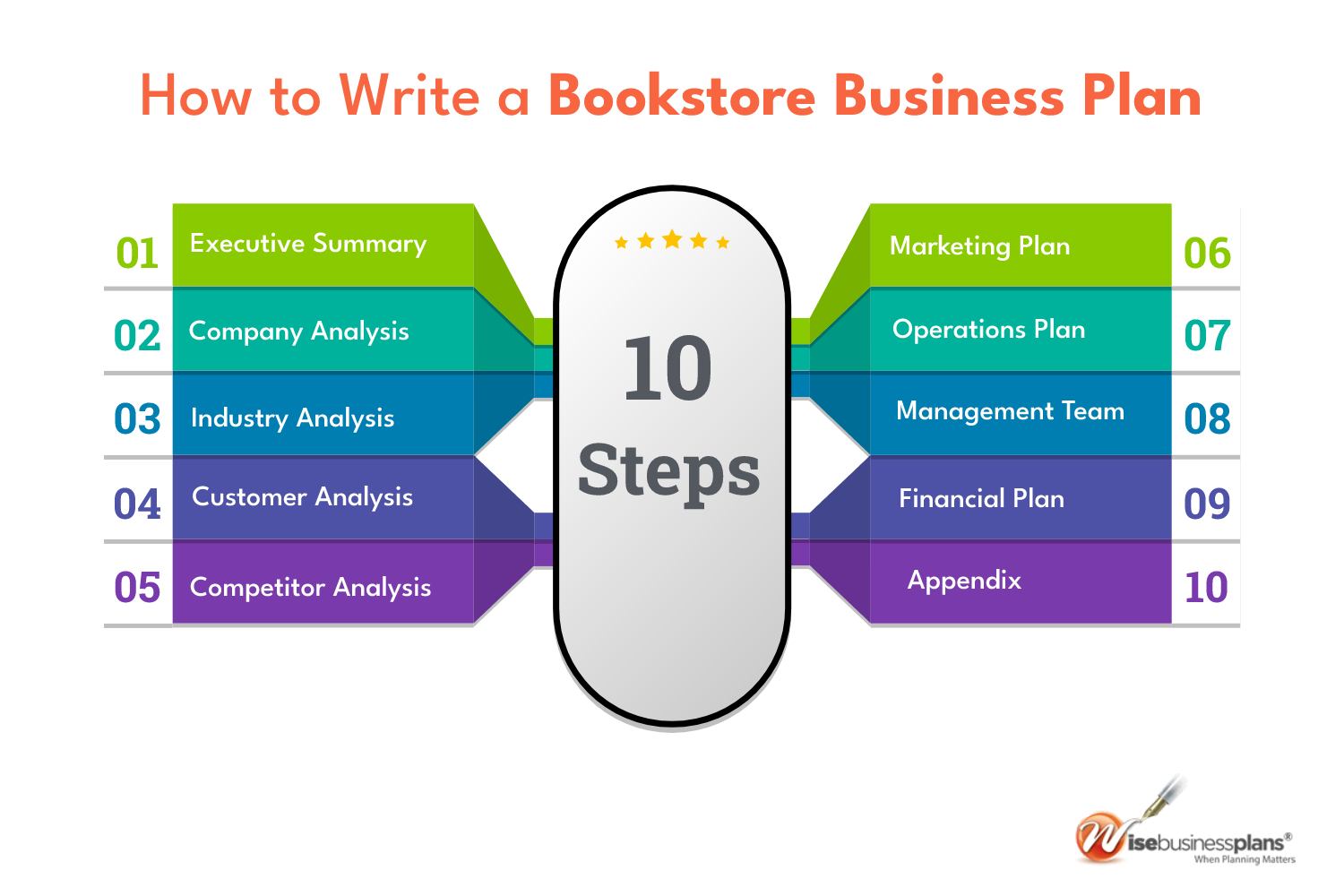
The world of retail is constantly evolving, and the bookstore industry is no exception. While digital books have gained traction, the enduring appeal of physical books and the unique experience of browsing a curated selection remains strong. A well-crafted business plan is crucial for any bookstore, regardless of size or location. This article provides a comprehensive guide to creating a business plan specifically tailored for a bookstore, equipping you with the knowledge and structure needed to succeed. Bookstore Business Plan Template – a solid foundation for growth and stability. Let's dive in.
Understanding the Foundation: Why a Bookstore Business Plan Matters
Starting a bookstore isn't just about stocking books; it's about building a community hub, fostering a love of reading, and providing a personalized shopping experience. A business plan acts as a roadmap, outlining your goals, strategies, and financial projections. It's essential for securing funding, attracting investors, and guiding your daily operations. Without a plan, you're essentially navigating uncharted territory. A thoughtfully developed business plan significantly increases your chances of long-term profitability and sustainable growth. It's an investment in your future.
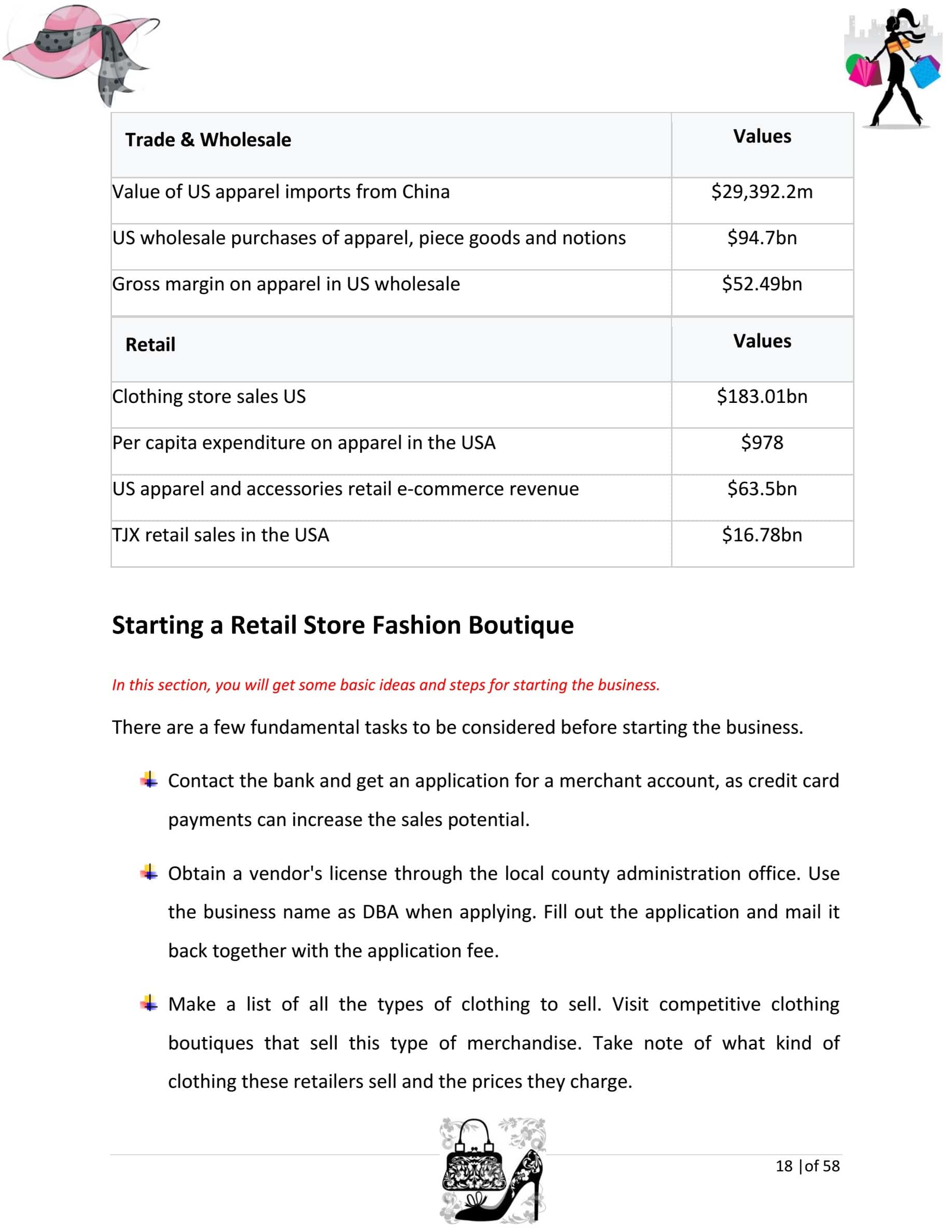
The initial steps to creating a successful bookstore business plan often involve a thorough market analysis. Understanding your target audience – are you focusing on local readers, students, or a broader demographic – is paramount. Researching local demographics, competitor analysis, and identifying underserved niches will inform your decisions and help you tailor your offerings. Furthermore, assessing the current market trends in the book industry – including the popularity of specific genres, e-books, and audiobooks – is vital for strategic planning. Ignoring these factors can lead to missed opportunities and ultimately, a struggling business.

Defining Your Bookstore Concept: Core Elements
Before diving into the detailed plan, it's important to solidify your bookstore's core concept. What will differentiate you from other retailers? Consider these key elements:

- Genre Focus: Will you specialize in a particular genre (e.g., mystery, science fiction, children's literature)? A niche focus can attract a loyal customer base.
- Atmosphere & Design: The ambiance of your bookstore is critical. Will it be cozy and inviting, or modern and minimalist? Consider lighting, furniture, and overall décor.
- Services: Beyond book sales, will you offer services like book clubs, author events, workshops, or gift wrapping?
- Online Presence: A strong online presence is increasingly important. Consider an e-commerce website, social media marketing, and online book ordering.
Financial Projections: The Numbers That Matter
A robust financial plan is the backbone of any successful bookstore business. It's not just about making money; it's about understanding your costs, revenue potential, and cash flow. Here's a breakdown of essential financial projections:
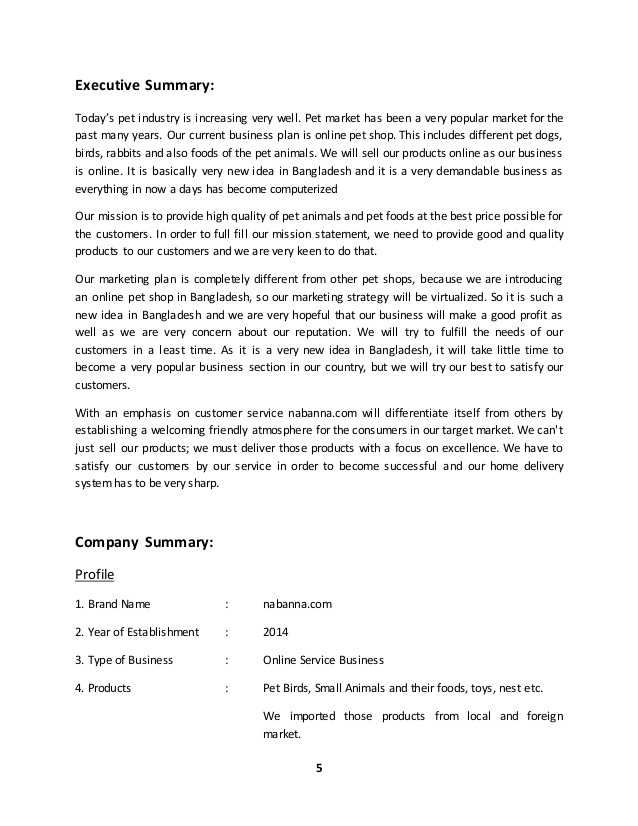
- Startup Costs: This includes everything from leasehold improvements and inventory to furniture, equipment, and initial marketing expenses. Be realistic and include contingency funds.
- Revenue Projections: Estimate your potential sales based on factors like foot traffic, average transaction value, and seasonal trends. Consider different revenue streams – book sales, merchandise, events, and online orders.
- Operating Expenses: These include rent, utilities, salaries, marketing, insurance, and inventory costs. Detailed tracking of these expenses is crucial for maintaining profitability.
- Profit & Loss Statement: A projected P&L statement will demonstrate your anticipated profitability over a specific period (typically 3-5 years).
- Cash Flow Statement: This statement tracks the movement of cash in and out of your business, ensuring you have sufficient funds to meet your obligations.
Bookstore Business Plan Template – Understanding these financial projections is key to securing funding and managing your bookstore's finances effectively. Utilize spreadsheet software to create accurate and detailed models.

Marketing and Sales Strategies: Reaching Your Customers
Effective marketing and sales strategies are essential for attracting and retaining customers. Here are some key tactics:

- Local Marketing: Utilize local advertising, such as flyers, posters, and partnerships with community organizations.
- Social Media Marketing: Build a strong presence on platforms like Instagram, Facebook, and Twitter to engage with potential customers and promote your bookstore.
- Email Marketing: Collect email addresses and send out newsletters with new releases, event announcements, and special offers.
- Loyalty Programs: Reward repeat customers with discounts and exclusive benefits.
- Events & Workshops: Host author events, book clubs, and other events to attract customers and build community.
- Partnerships: Collaborate with local businesses, schools, and libraries to reach new audiences.
Bookstore Business Plan Template – A well-defined marketing strategy will help you stand out from the competition and drive sales. Continuously analyze your marketing efforts and adjust your tactics as needed.
Inventory Management: Keeping Your Stock Flowing
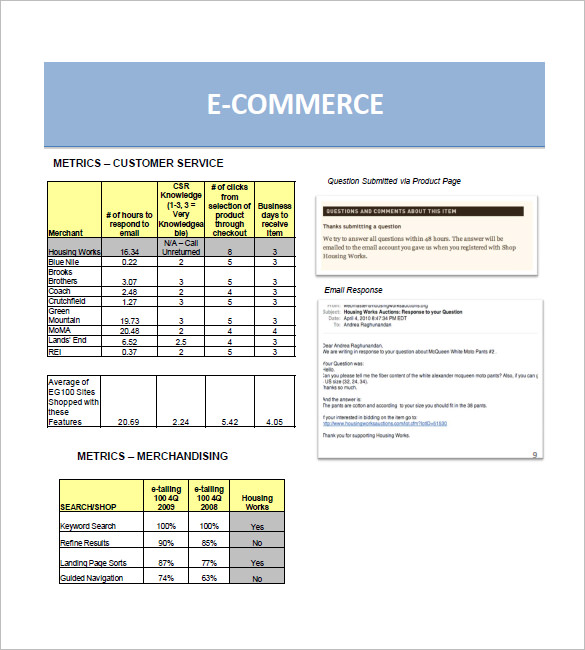
Efficient inventory management is critical for minimizing waste and maximizing profits. Here's how to approach it:

- Inventory Tracking System: Implement a system to track your inventory levels, including sales, returns, and damaged books.
- Demand Forecasting: Analyze sales data to predict future demand and order accordingly.
- Vendor Relationships: Establish strong relationships with book distributors and publishers to secure competitive pricing and reliable supply.
- Stock Rotation: Implement a system for rotating stock to ensure that older books are sold first and are not damaged.
- Loss Prevention: Implement measures to prevent theft and damage to inventory.
Bookstore Business Plan Template – Effective inventory management will minimize losses and ensure you always have the books your customers want.

Legal and Regulatory Considerations
Before launching your bookstore, it's crucial to comply with all applicable legal and regulatory requirements. This includes:
- Business License: Obtain the necessary business licenses and permits from your local government.
- Sales Tax: Understand and comply with sales tax regulations.
- Employment Laws: If you plan to hire employees, comply with all applicable employment laws.
- Insurance: Obtain appropriate insurance coverage, including liability insurance and property insurance.
- Accessibility: Ensure your bookstore is accessible to people with disabilities.
Bookstore Business Plan Template – Proper legal and regulatory compliance is essential for protecting your business and avoiding costly mistakes.
Adapting to Change: The Importance of Flexibility
The book industry is constantly changing. Staying adaptable is key to long-term success. Continuously monitor industry trends, customer feedback, and competitor activity. Be prepared to adjust your business plan as needed to respond to these changes. A flexible approach allows you to capitalize on new opportunities and overcome challenges.
Conclusion: Building a Successful Bookstore
Creating a successful bookstore business plan is a significant undertaking, but it's an investment that can pay off handsomely. By carefully considering all the key elements outlined in this article, you can develop a roadmap for building a thriving and sustainable business. Remember to focus on understanding your target audience, offering a unique value proposition, and consistently delivering exceptional customer service. With a well-crafted plan and a commitment to excellence, your bookstore can flourish and become a beloved community destination. Bookstore Business Plan Template – a tool for success, meticulously crafted and continuously refined. Good luck!

0 Response to "Bookstore Business Plan Template"
Posting Komentar