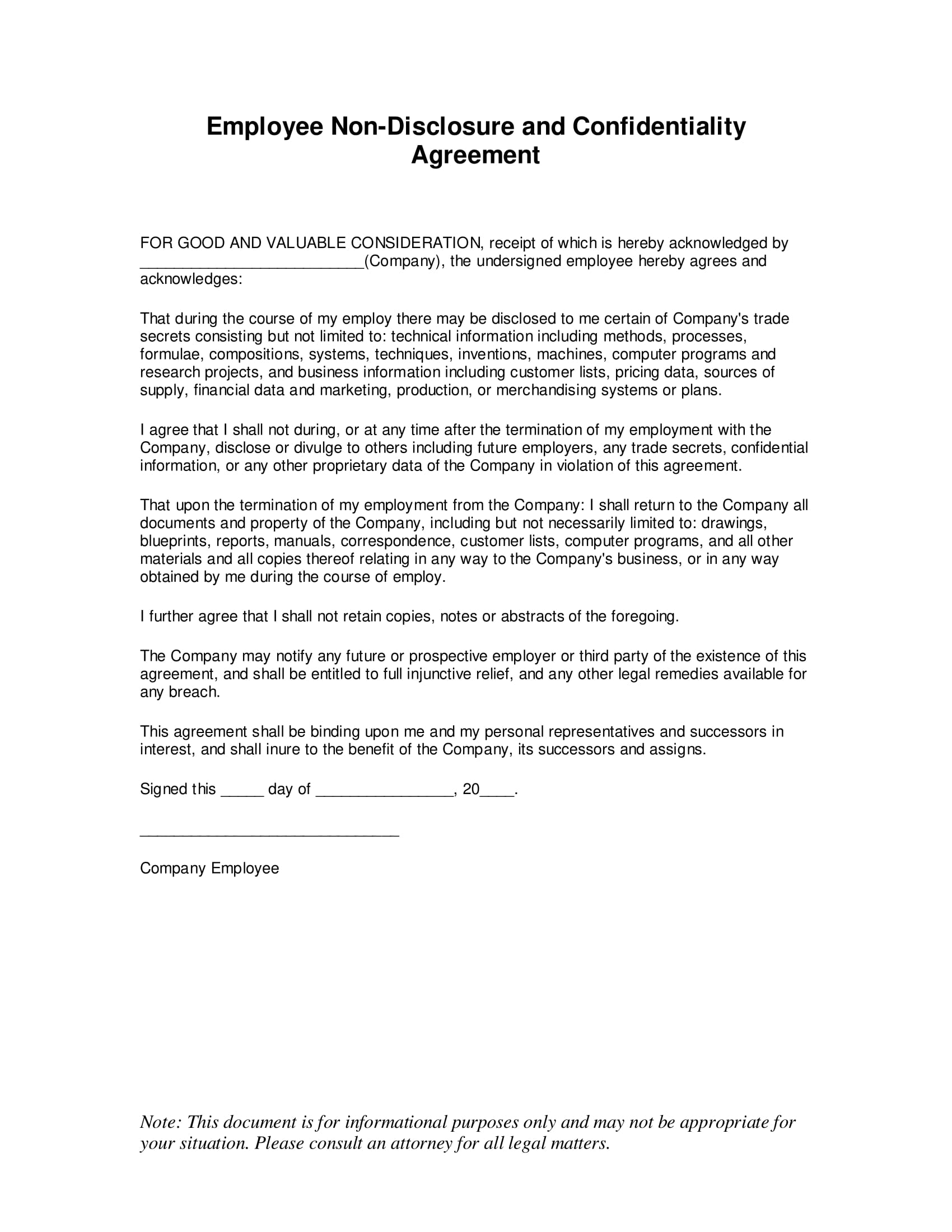
Confidentiality is paramount in today's business landscape. Protecting sensitive information – customer data, financial records, trade secrets – is not just a legal obligation, but a crucial investment in your organization's success. That's why robust confidentiality agreements are essential. Word Employee Confidentiality Agreement Templates provide a structured framework for safeguarding valuable information, minimizing risk, and fostering trust with employees, contractors, and partners. This article will explore the key elements of these agreements, offering guidance on creating a legally sound and effective document. We'll delve into the various types of agreements available, highlighting their benefits and potential pitfalls. Understanding these nuances is vital for any business seeking to protect its intellectual property and maintain a competitive advantage. Let's begin by understanding why these agreements are so important.
The rise of data breaches and cybersecurity threats has dramatically increased the need for comprehensive confidentiality policies. Companies of all sizes are facing increasing pressure to protect sensitive data from unauthorized access. A well-drafted confidentiality agreement serves as a critical line of defense, demonstrating a commitment to protecting information and mitigating potential liabilities. It's not simply about compliance; it's about building a culture of trust and safeguarding your organization's reputation. Furthermore, these agreements can streamline the process of handling sensitive information, reducing administrative burdens and potential disputes. They provide clarity on what information is considered confidential and how it should be handled. Ultimately, a strong confidentiality agreement contributes to a more secure and stable business environment.
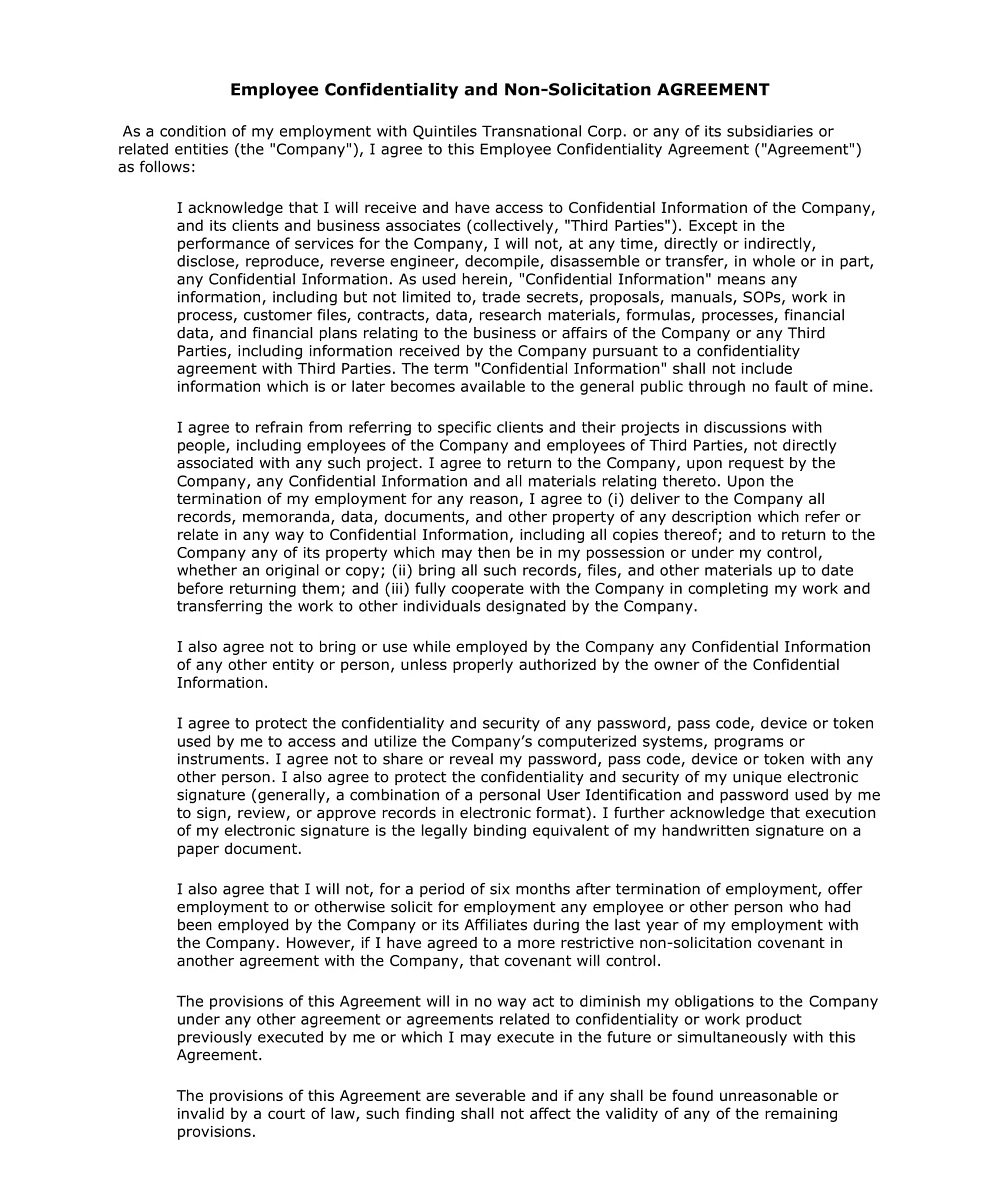
Understanding the Core Components of a Confidentiality Agreement
A comprehensive confidentiality agreement typically includes several key elements. These elements are designed to clearly define the scope of confidentiality, outline responsibilities, and establish consequences for breaches. Let's break down some of the most important components:

Defining Confidential Information
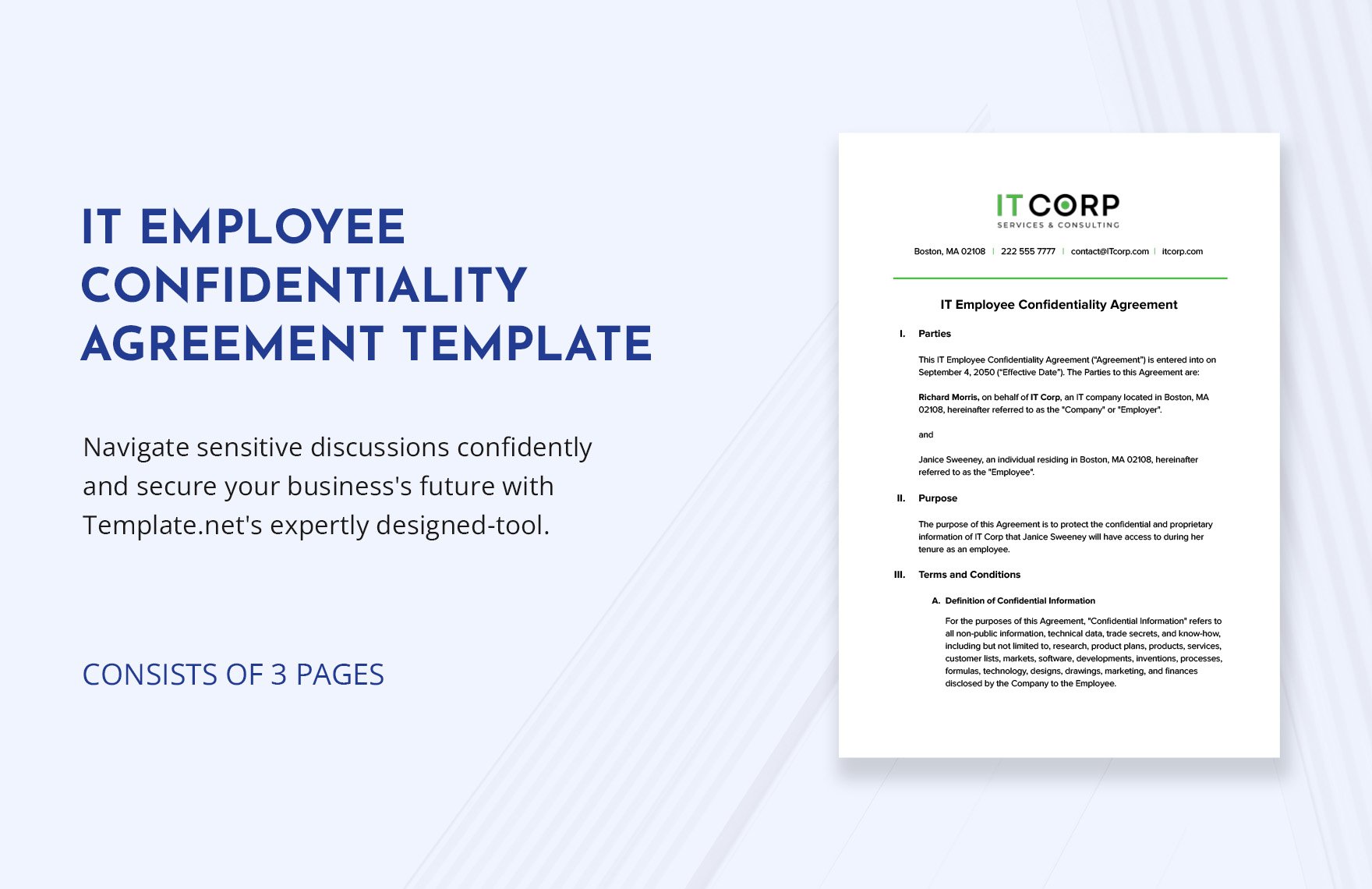
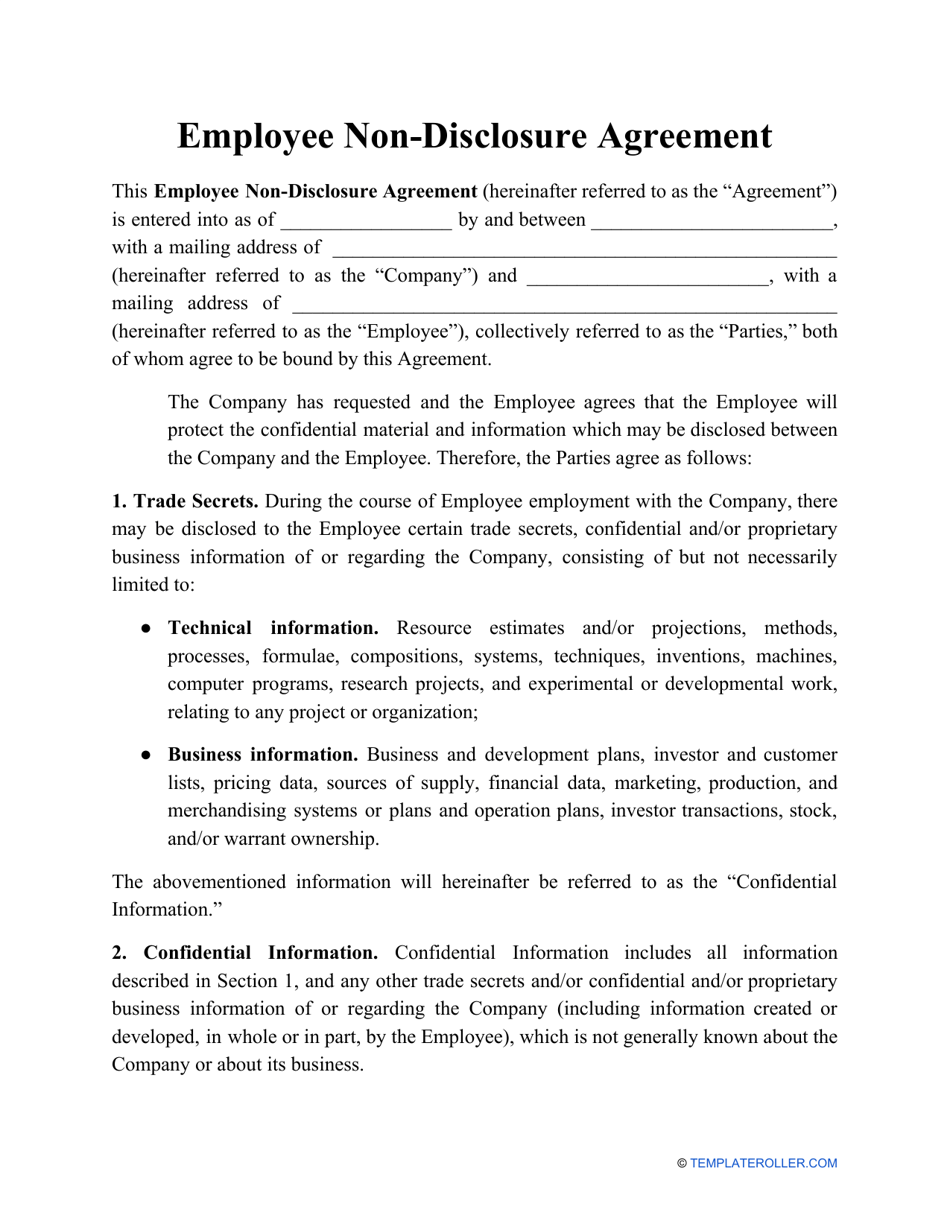
The first and most crucial step is clearly defining what constitutes "Confidential Information." This goes beyond simply stating "customer data." It needs to be specific. Consider including examples like:
- Customer Lists and Contact Information: Names, addresses, phone numbers, email addresses, and any other identifying information of customers.
- Financial Data: Sales figures, invoices, bank account details, credit card numbers, and other financial records.
- Proprietary Business Information: Trade secrets, formulas, processes, designs, marketing plans, and other information that gives your company a competitive edge.
- Employee Information: Employee names, job titles, salary information, performance reviews, and other sensitive employee data.
- Research and Development Data: Information related to product development, testing, and innovation.
It's important to be precise and avoid overly broad definitions that could inadvertently encompass unintended information. A well-defined definition will minimize disputes and ensure clarity for all parties involved. A clause stating "any information, regardless of form (electronic, paper, oral, written), that is considered confidential" is a common and effective approach.
Employee Responsibilities
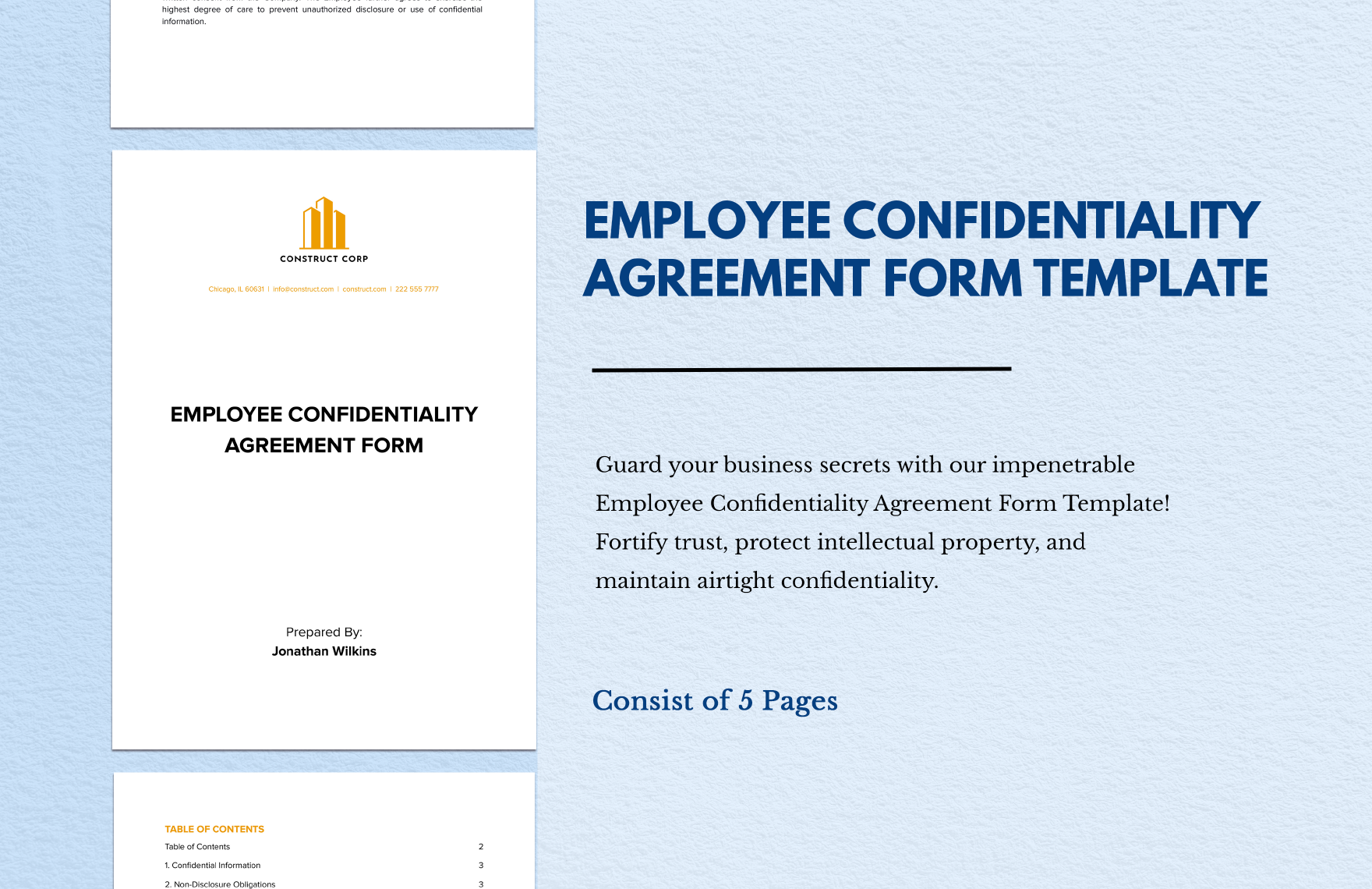
Beyond defining what is confidential, the agreement also outlines the responsibilities of employees, contractors, and partners. This section typically addresses:
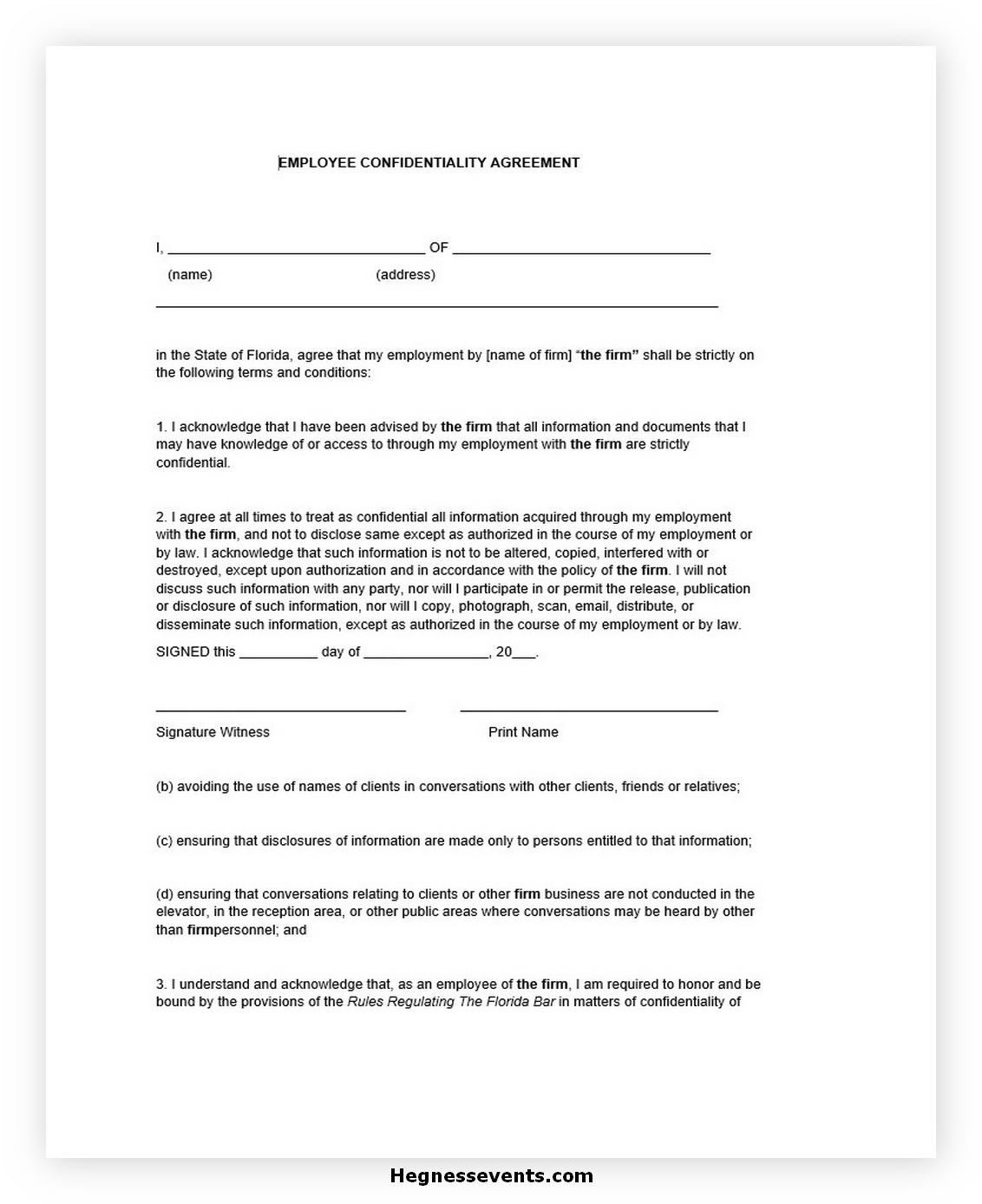
- Duty to Protect Confidential Information: Employees and contractors are obligated to protect confidential information, regardless of their role or position within the organization.
- Secure Handling of Information: Requirements for secure storage, transmission, and disposal of confidential information.
- Non-Disclosure Obligations: Restrictions on disclosing confidential information to third parties, including competitors, vendors, and other individuals.
- Use of Company Resources: Guidelines for the proper use of company computers, networks, and other resources.
Types of Confidentiality Agreements – A Variety of Options
Several variations of confidentiality agreements exist, each tailored to specific business needs and risk profiles. Choosing the right type is critical.
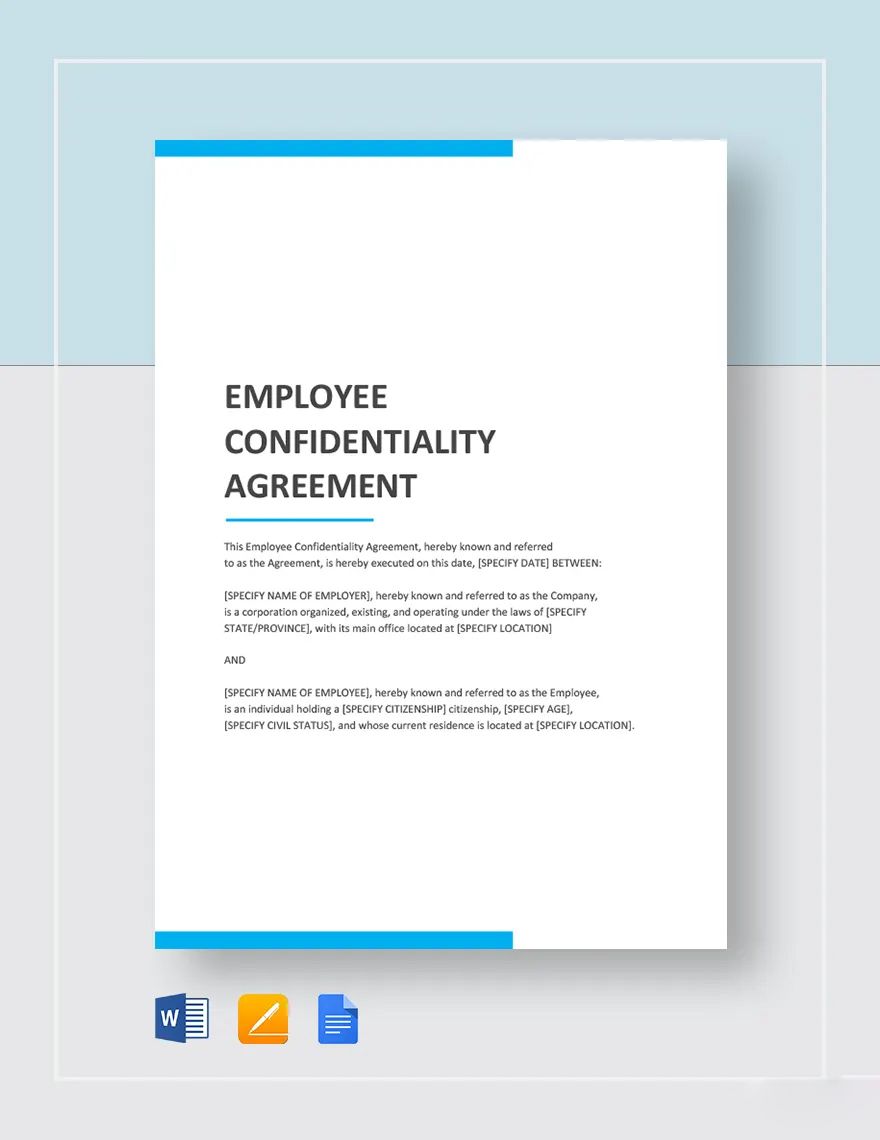
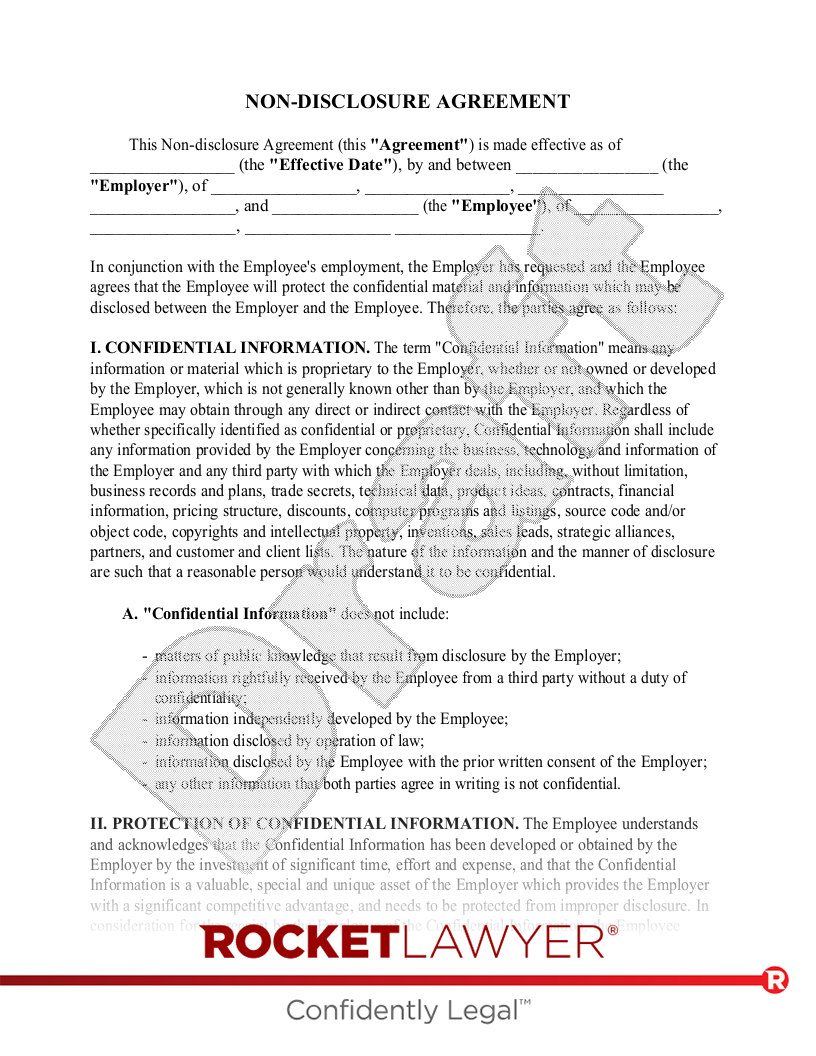
Standard Confidentiality Agreements
These are the most common type and are suitable for businesses with relatively low risk. They typically include the core elements outlined above and are relatively straightforward to draft.
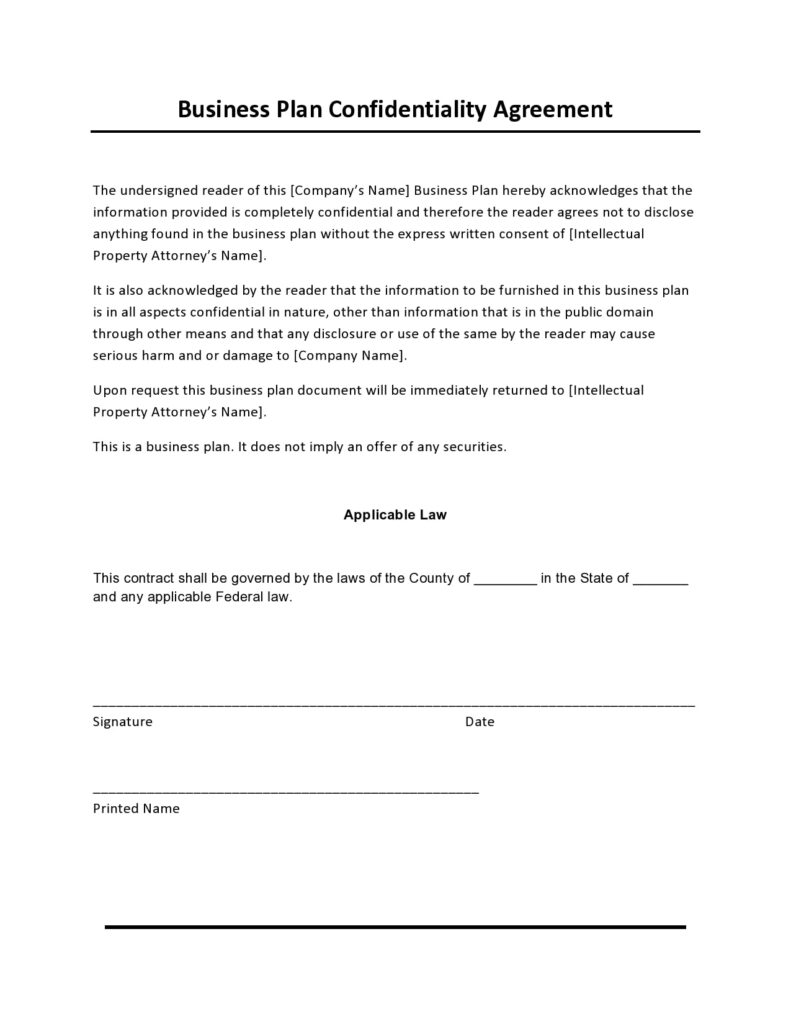
Limited Disclosure Agreements
These agreements are designed for situations where disclosure of confidential information is necessary for a specific purpose, such as a business transaction or legal proceeding. They often include provisions for obtaining consent from the recipient before disclosing the information.
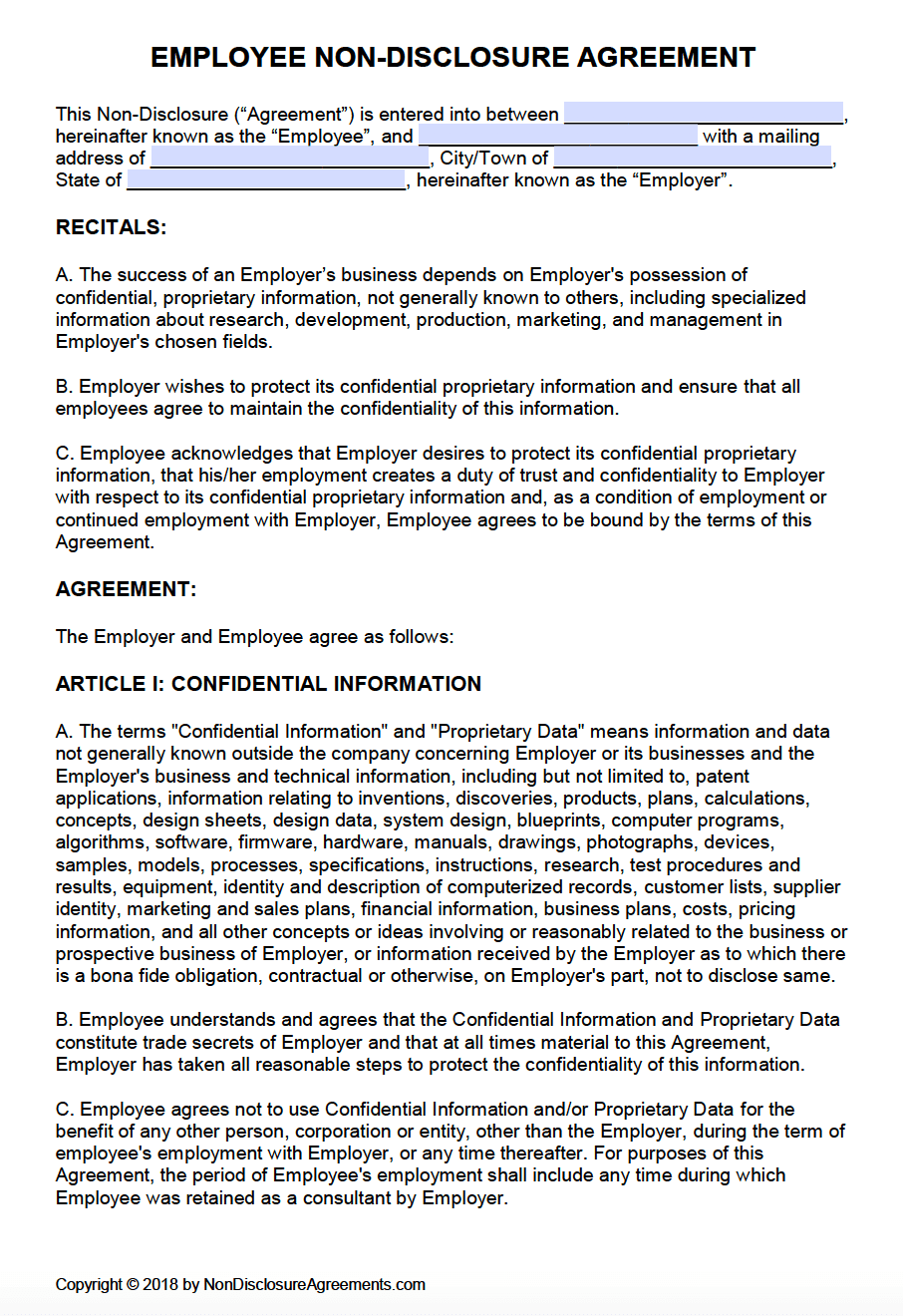
Non-Disclosure Awards
These agreements are used to compensate employees or contractors for their confidentiality obligations. They typically specify the scope of the obligation, the duration of the agreement, and the compensation for breach.
Agreements with Specific Circumstances
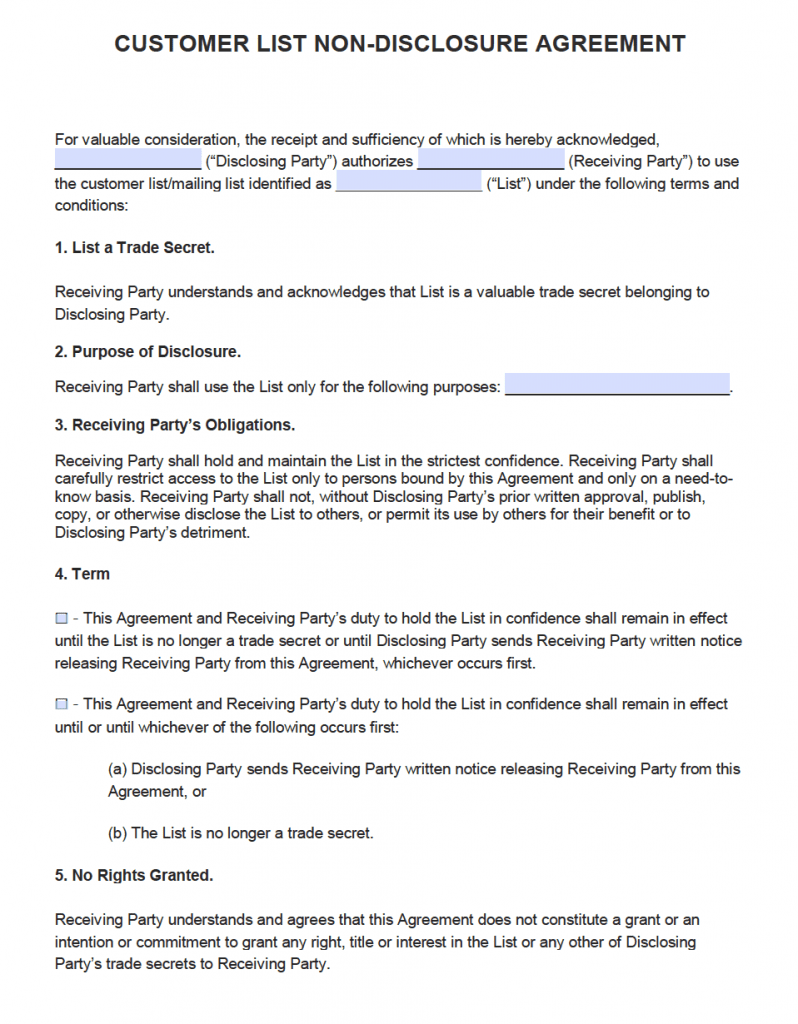
For certain industries or situations, more specialized agreements may be required. For example, agreements related to intellectual property protection or data security may need to be tailored to address specific risks. A clause addressing the handling of data subject to GDPR or CCPA is increasingly important.
Legal Considerations and Best Practices
Drafting a confidentiality agreement effectively requires careful consideration of legal requirements and best practices. Here are some key points to keep in mind:
Compliance with Applicable Laws
Confidentiality agreements must comply with all applicable federal, state, and local laws, including privacy regulations like GDPR, CCPA, and HIPAA. Consult with legal counsel to ensure compliance.

Clarity and Specificity
The agreement should be written in clear, unambiguous language. Avoid jargon and overly complex legal terms. Be specific about the types of information covered and the permitted uses of the information.
Employee Training
Providing training to employees and contractors on their obligations under the agreement is essential. This training should cover the importance of confidentiality, the proper handling of sensitive information, and the consequences of breaching the agreement.
Regular Review and Updates
Confidentiality agreements should be reviewed and updated periodically to ensure they remain relevant and effective. As your business evolves, so too should your agreement.
Protecting Your Intellectual Property – Beyond the Agreement
While a confidentiality agreement is a vital safeguard, it's only one piece of the puzzle. Protecting your intellectual property requires a proactive approach. This includes:
- Proper Security Measures: Implementing robust security measures to protect your data from unauthorized access.
- Employee Training on IP Protection: Educating employees about the importance of protecting your intellectual property.
- Patent Protection: Consider patenting your inventions to protect your competitive advantage.
- Trade Secret Protection: Implement measures to protect your trade secrets, such as non-disclosure agreements with employees and contractors.
Conclusion
Creating and implementing a robust confidentiality agreement is a critical investment for any organization. By carefully considering the key elements, understanding the different types of agreements available, and adhering to legal requirements, you can significantly reduce your risk of data breaches and protect your valuable information. Remember that a strong confidentiality agreement is not just a legal document; it's a foundation for building trust, fostering innovation, and safeguarding your business's future. Investing in a well-crafted agreement demonstrates a commitment to responsible data handling and a proactive approach to protecting your most valuable assets. Don't underestimate the importance of this process – it's an ongoing commitment, not a one-time event.
0 Response to "Word Employee Confidentiality Agreement Templates"
Posting Komentar