
Creating a clear and easily accessible company organizational chart is crucial for effective communication, leadership, and strategic planning. A well-defined company structure provides a visual representation of roles, responsibilities, and reporting lines, fostering transparency and streamlining workflows. This article will explore various methods for generating a company organogram template, focusing on readily available and user-friendly options, and highlighting the importance of customization for optimal effectiveness. The core of this guide revolves around the availability of a readily downloadable Word template – a frequently sought-after tool for businesses of all sizes. Understanding the different types of templates and their suitability for various organizational structures is key to selecting the right option. Ultimately, a robust company organogram template is an investment in efficiency and clarity.
Understanding the Importance of a Company Organogram
A company organogram isn't just a pretty chart; it's a vital tool for several reasons. Firstly, it facilitates clear communication within the organization. Employees can quickly understand who reports to whom, streamlining decision-making and reducing confusion. Secondly, it enhances leadership visibility. Managers can easily identify key personnel and their areas of expertise, allowing them to delegate effectively and provide targeted support. Furthermore, a well-structured organogram supports strategic planning by providing a visual representation of departmental relationships and resource allocation. Without a clear organizational map, projects can become chaotic, and progress can be hampered. In today's dynamic business environment, a proactive approach to organizational structure is essential for maintaining competitiveness. The benefits extend beyond internal operations; a clear organizational chart can also be valuable for external stakeholders, such as clients and partners.

Methods for Generating a Company Organogram Template Word
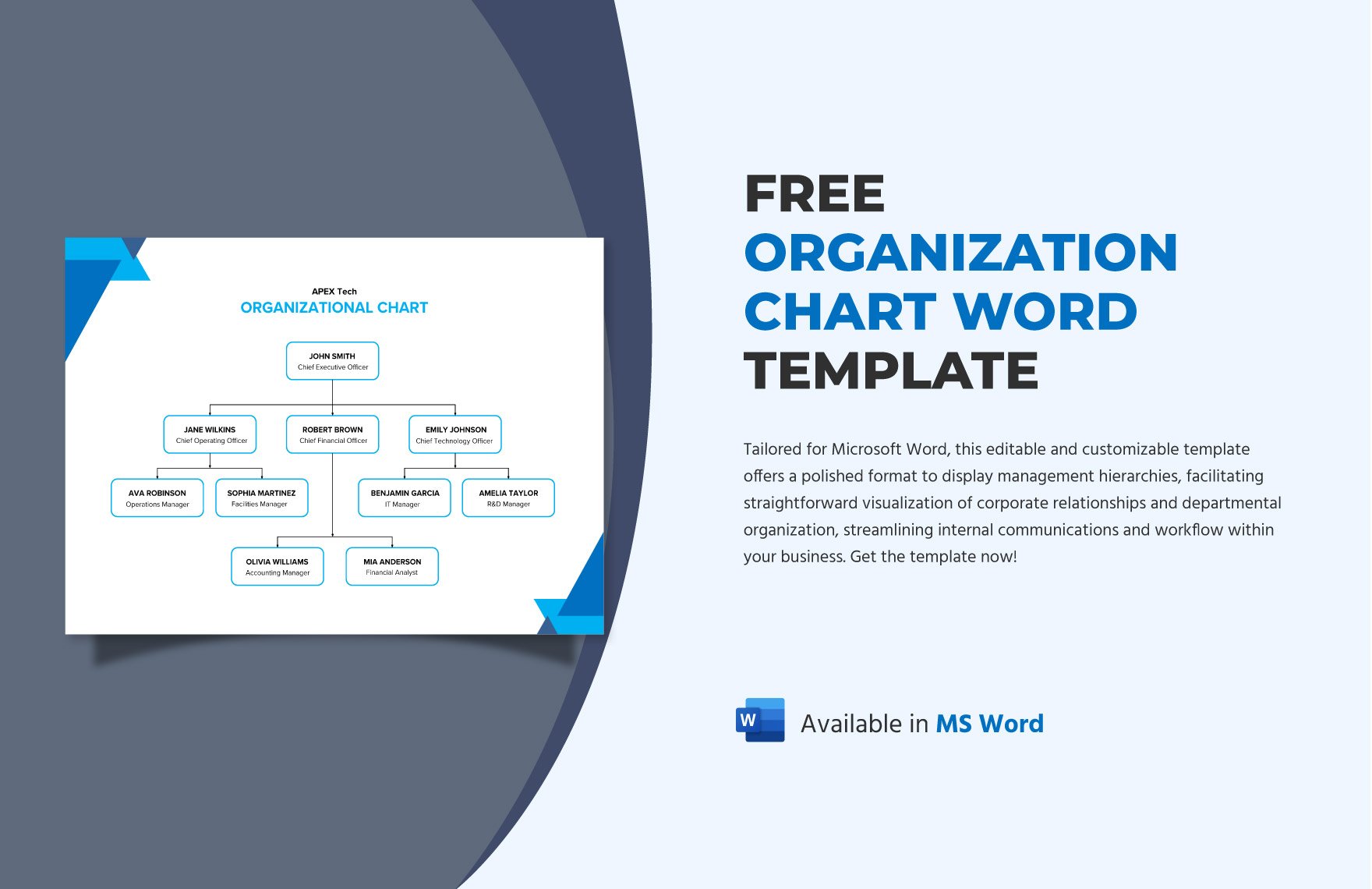
Numerous options exist for generating a company organogram template, ranging from free online tools to sophisticated software packages. The choice depends on factors such as budget, technical expertise, and the complexity of the organization. Several popular choices are readily available for download and use. Microsoft Word offers a straightforward option, allowing users to create a basic chart with customizable fields. However, for more complex organizations, dedicated organizational chart software provides greater flexibility and control. Consider these options:
- Microsoft Word: A simple and readily accessible option for basic organogram creation. It's a good starting point for smaller organizations.
- Google Docs: A free and collaborative option, ideal for teams working remotely. It offers basic organizational chart functionality.
- Canva: A user-friendly design platform that allows for creating visually appealing organogram templates. It's particularly useful for businesses that prioritize aesthetics.
- Dedicated Organizational Chart Software: Platforms like Lucidchart, Visio, and Miro offer advanced features, including data integration, automation, and collaboration tools. These are often more expensive but provide greater scalability and customization.
Key Sections of a Company Organogram Template
A comprehensive company organogram typically includes several key sections, each representing a distinct area of the organization. Here's a breakdown of essential elements:
1. Executive Leadership
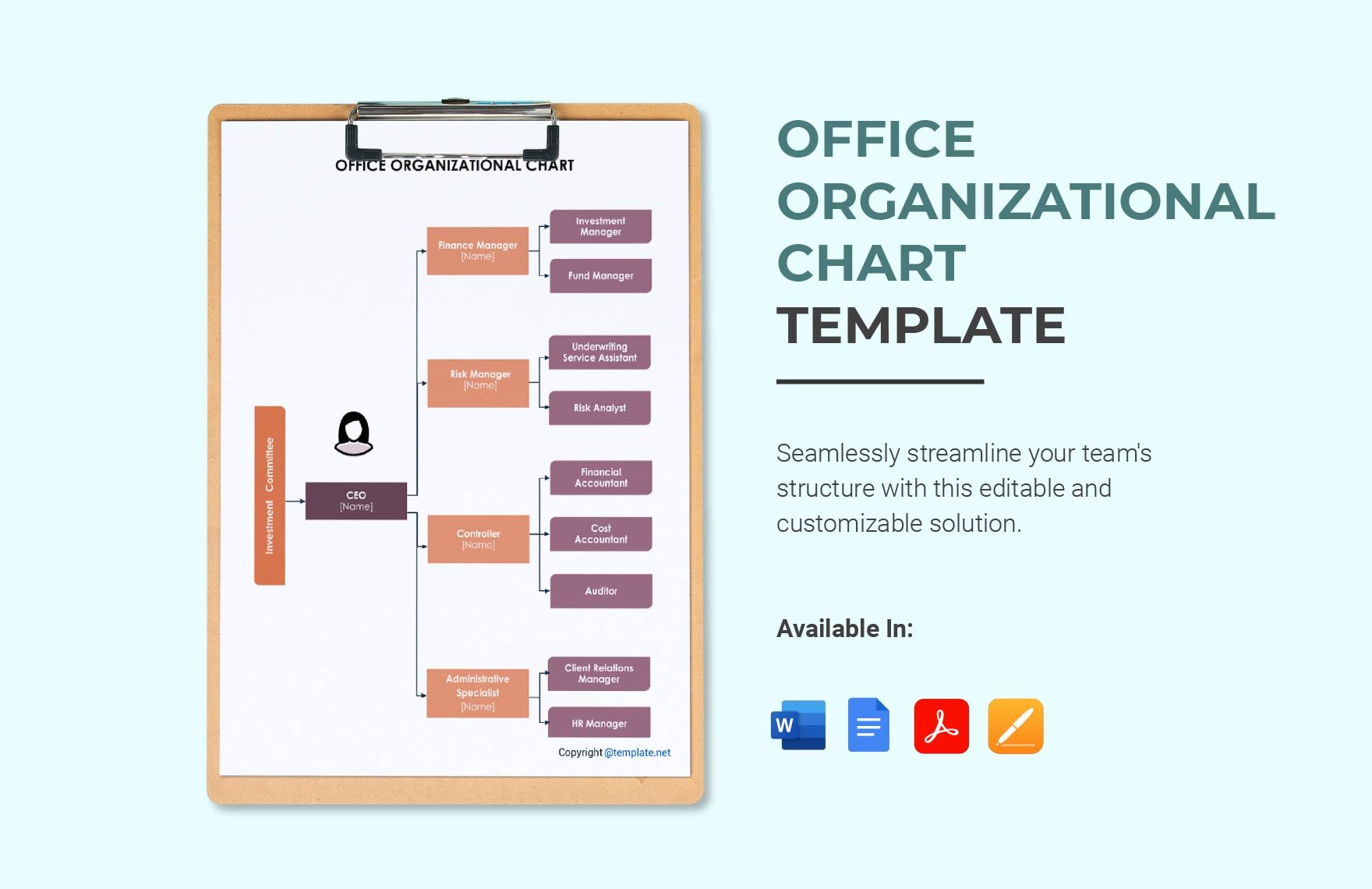
This section outlines the key executives and their roles within the company. It typically includes the CEO, CFO, COO, and other senior management positions. Clearly defining these roles is fundamental to establishing accountability and ensuring effective leadership. The format should include names, titles, and brief descriptions of their responsibilities. A well-defined executive leadership structure is critical for maintaining organizational coherence.
2. Departmental Structure
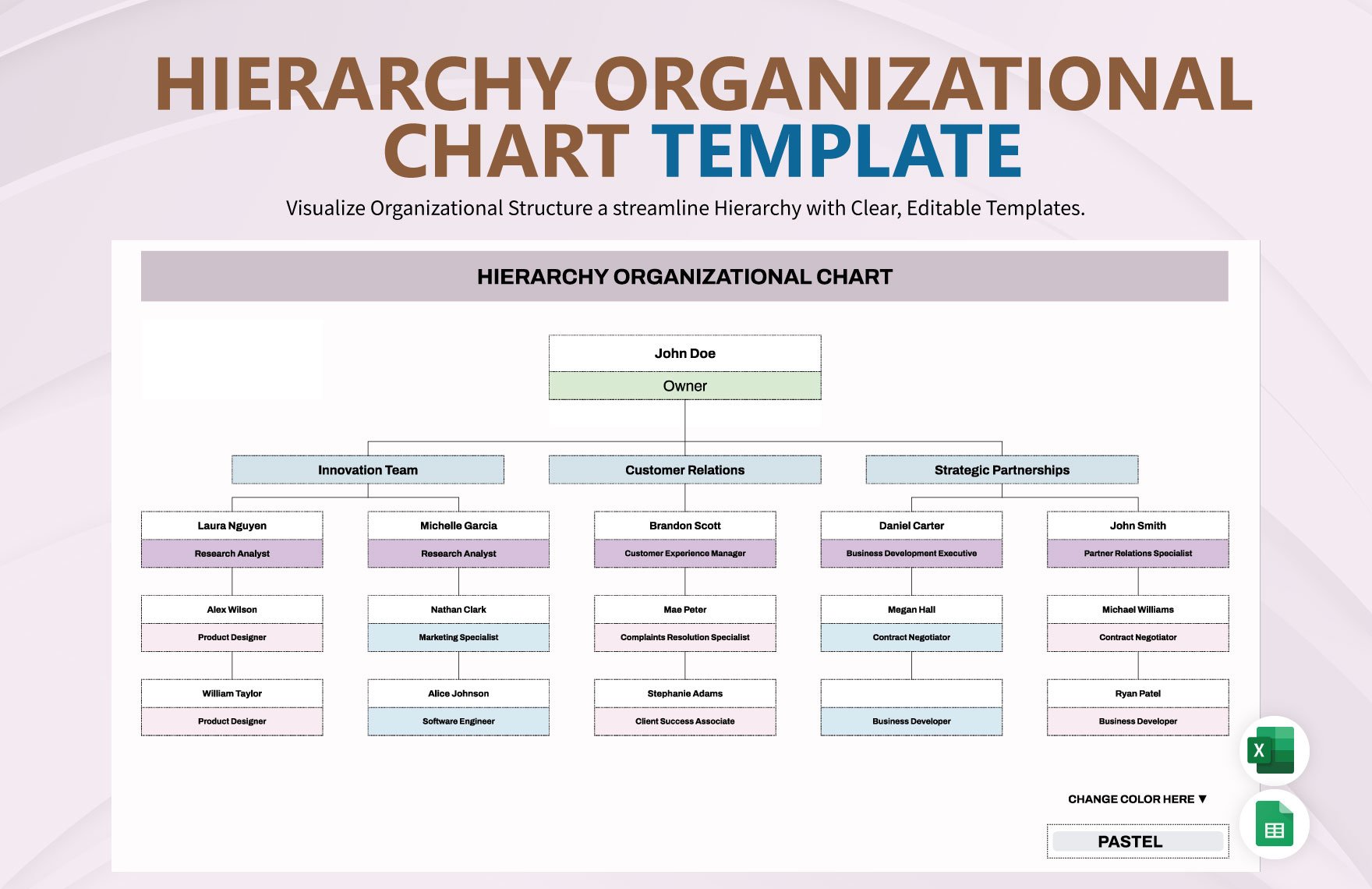
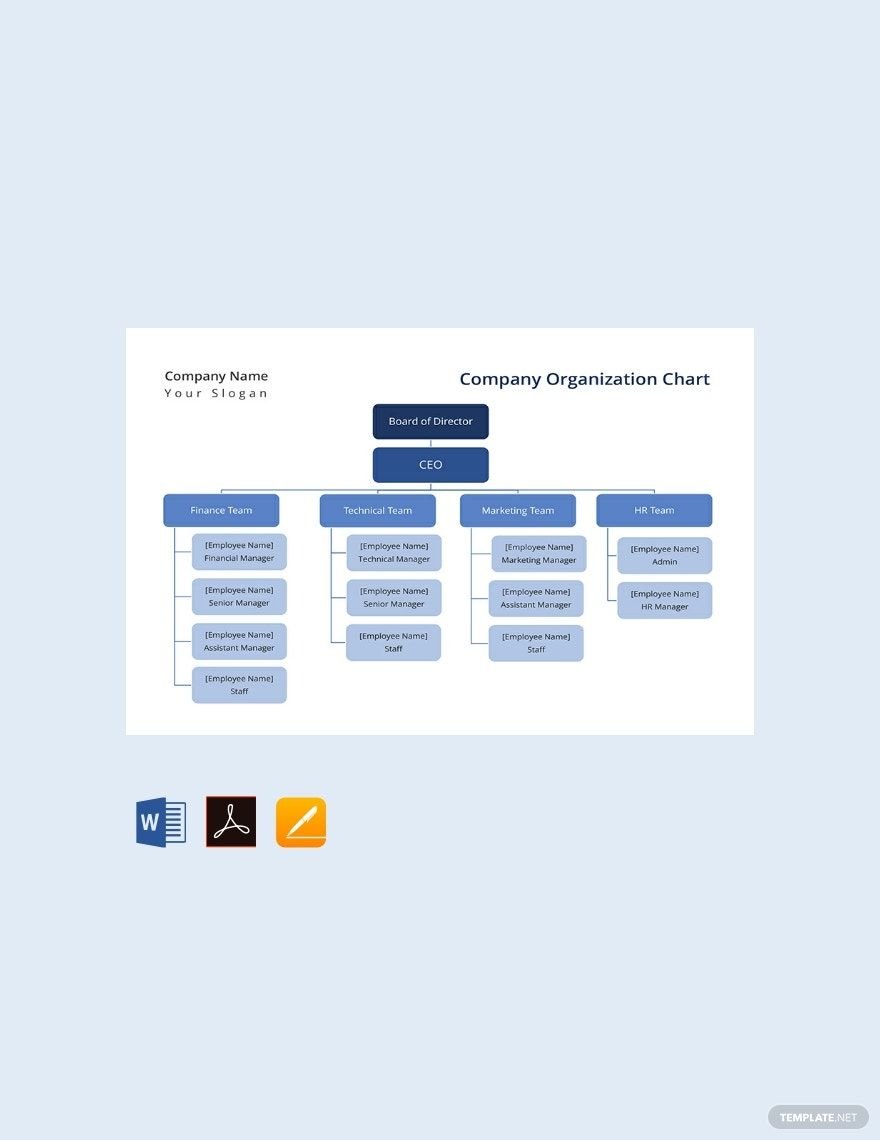
This section details the various departments within the organization. Each department should have a clear name, a brief description of its function, and a list of key personnel. Consider using a hierarchical structure to visually represent reporting lines. For example, a marketing department might be organized into Marketing, Digital Marketing, Content Marketing, and Social Media Marketing. This structure allows for efficient resource allocation and streamlined project management.
3. Reporting Lines
This section clearly identifies who reports to whom within each department. This is arguably the most important element of the organogram. It visually demonstrates the chain of command and ensures that everyone knows who to contact for assistance. A clear and concise reporting structure is essential for effective communication and decision-making. Consider using arrows to indicate the flow of information.

4. Key Personnel
This section lists the most important individuals within each department. It's helpful to include contact information, such as email addresses and phone numbers. This allows for easy communication and collaboration. This section is particularly useful for larger organizations with many employees.
5. Roles and Responsibilities
This section provides a detailed overview of the specific roles and responsibilities of each employee. It's important to clearly define what each employee is expected to do and how their work contributes to the overall goals of the organization. This section should be regularly reviewed and updated to reflect changes in the business.
Customizing Your Company Organogram Template Word
While pre-built templates offer a good starting point, customizing your company organogram template is crucial for ensuring its relevance and effectiveness. Consider the following:

- Add or Remove Departments: Adjust the number of departments to accurately reflect the structure of your organization.
- Modify Reporting Lines: Reorganize the reporting lines to reflect the current organizational hierarchy.
- Update Contact Information: Ensure that all contact information is accurate and up-to-date.
- Add or Remove Roles: Add or remove roles as needed to reflect changes in responsibilities.
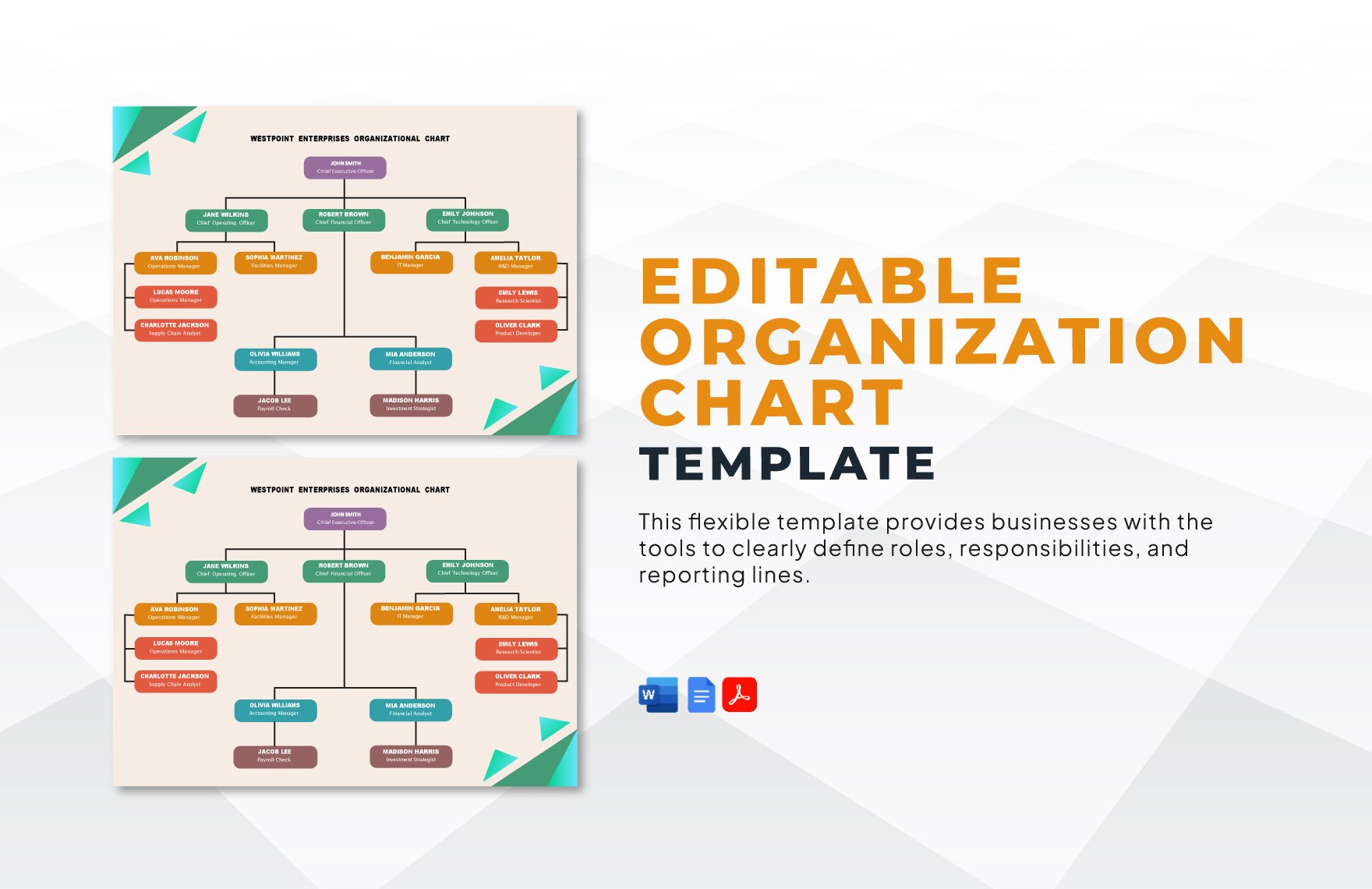
- Use Color Coding: Employ color coding to visually differentiate departments or roles. This can enhance readability and improve visual appeal.
The Importance of Data Integrity
The accuracy of your company organogram template is paramount. Inaccurate data can lead to confusion, inefficiency, and potentially, critical errors. Always double-check all information before finalizing the template. Consider implementing a system for maintaining data integrity, such as regular audits and data validation procedures. Maintaining a consistent and accurate organizational chart is an ongoing process, requiring consistent attention and maintenance.

Conclusion
A well-designed and meticulously maintained company organogram template is an invaluable asset for any organization. It streamlines communication, enhances leadership visibility, and supports strategic planning. By understanding the various methods for generating these templates, and by carefully customizing them to reflect the unique structure of your organization, you can create a powerful tool for achieving operational excellence. Remember that the goal isn't just to create a pretty chart; it's to create a functional and effective organizational roadmap. Investing time in creating a robust and adaptable organogram template is an investment in the long-term success of your business. The readily available Word templates provide a solid foundation, but careful customization and ongoing maintenance are essential for maximizing their value. Finally, consistently reviewing and updating the organogram ensures it remains relevant and accurate as your organization evolves.
0 Response to "Company Organogram Template Word"
Posting Komentar