
Creating a robust and legally compliant certificate of insurance is paramount for businesses and individuals alike. It serves as a crucial document proving that you have adequate coverage to protect against potential financial losses due to unforeseen events. A well-designed and accurately filled certificate of insurance template is more than just a formality; it's a vital tool for risk management and peace of mind. This article will delve into the essential elements of a certificate of insurance template, exploring its purpose, key components, and best practices for ensuring its effectiveness. Certificate Of Insurance Template is a cornerstone of responsible business practices and financial planning. Understanding its nuances is critical for anyone involved in insurance or seeking to protect their assets.
The primary function of a certificate of insurance is to demonstrate that an insured party has sufficient financial protection to cover potential liabilities arising from specific events. These events can range from property damage and liability claims to business interruption and death benefits. It's a standardized document that provides a clear and verifiable record of the coverage provided, facilitating claims processing and reducing the risk of disputes. Without a properly drafted and completed certificate of insurance, businesses and individuals can face significant legal and financial repercussions. Therefore, investing time and effort in creating a compliant template is a worthwhile endeavor.
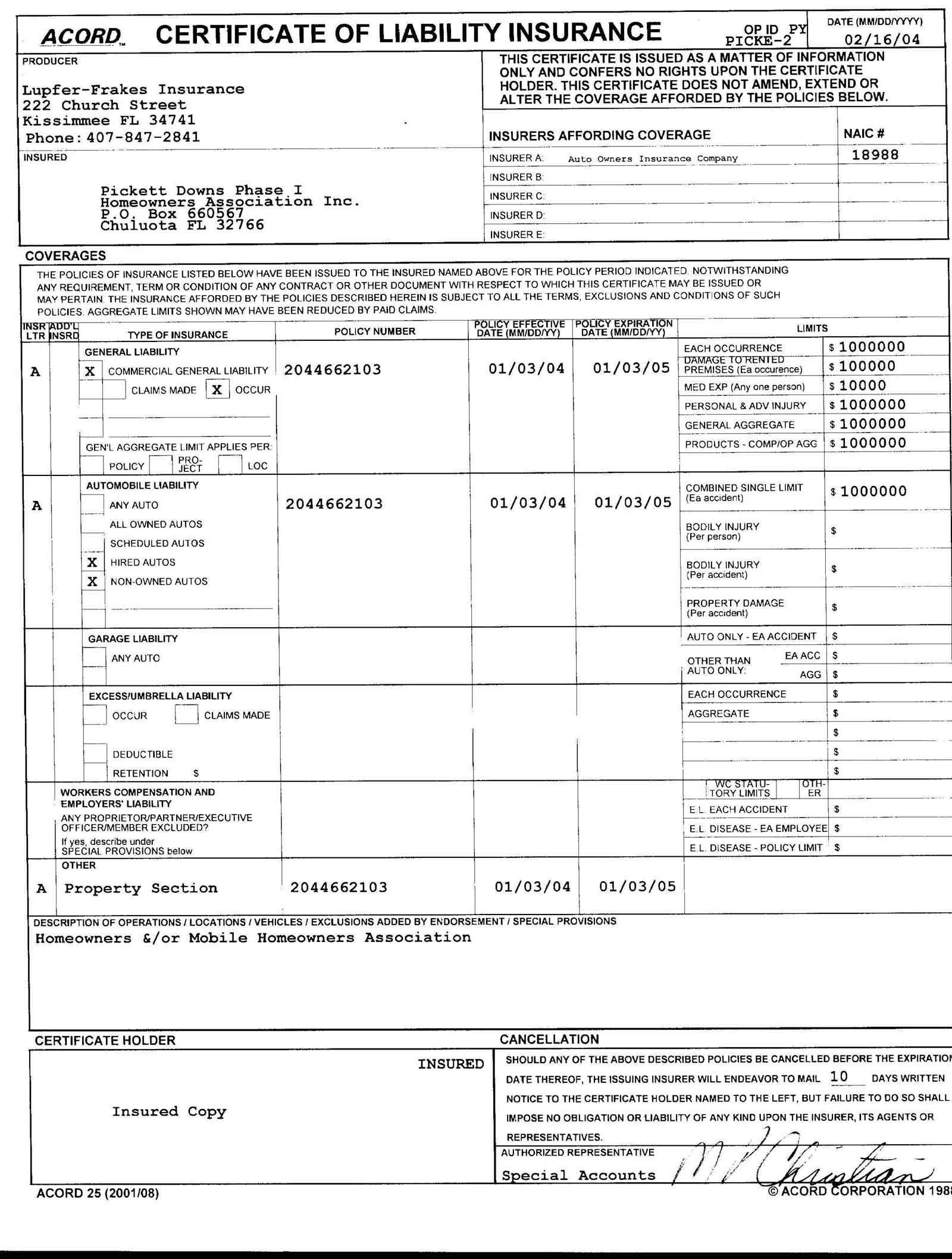
Understanding the Purpose of a Certificate of Insurance
Before diving into the specifics of the template, it's important to grasp the overarching purpose. A certificate of insurance isn't simply a form; it's a legal document that outlines the terms and conditions of the insurance coverage. It's a record of the policyholder's risk and the agreed-upon level of protection. The template itself is a standardized framework, ensuring consistency and facilitating efficient claims handling. Different types of insurance policies require different templates, reflecting the specific risks they address. For example, a commercial property policy will have a different template than a personal auto policy.

The template's purpose extends beyond simply providing proof of coverage. It also serves as a tool for risk assessment, allowing insurers to evaluate the potential for losses and determine appropriate premiums. Furthermore, it's a critical document for regulatory compliance, particularly in industries with stringent insurance requirements. Failure to comply with relevant regulations can result in penalties and legal action. Therefore, maintaining a current and accurate certificate of insurance is a legal and business imperative.

Key Components of a Certificate of Insurance Template
A comprehensive certificate of insurance template typically includes several key sections. Each section plays a vital role in demonstrating the scope of the insurance coverage. Let's examine some of the most important components:
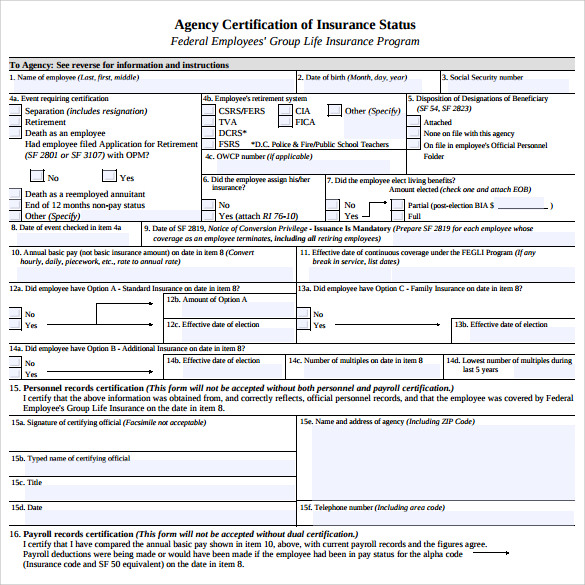
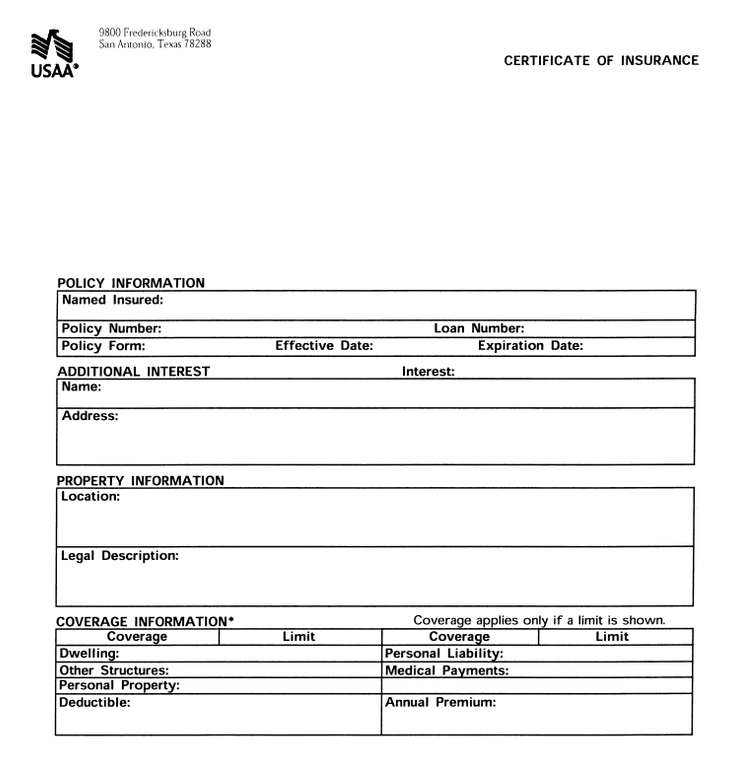
Policyholder Information: This section includes the full name and contact details of the insured, such as address, phone number, and email address. Accurate and complete information is crucial for efficient claims processing.
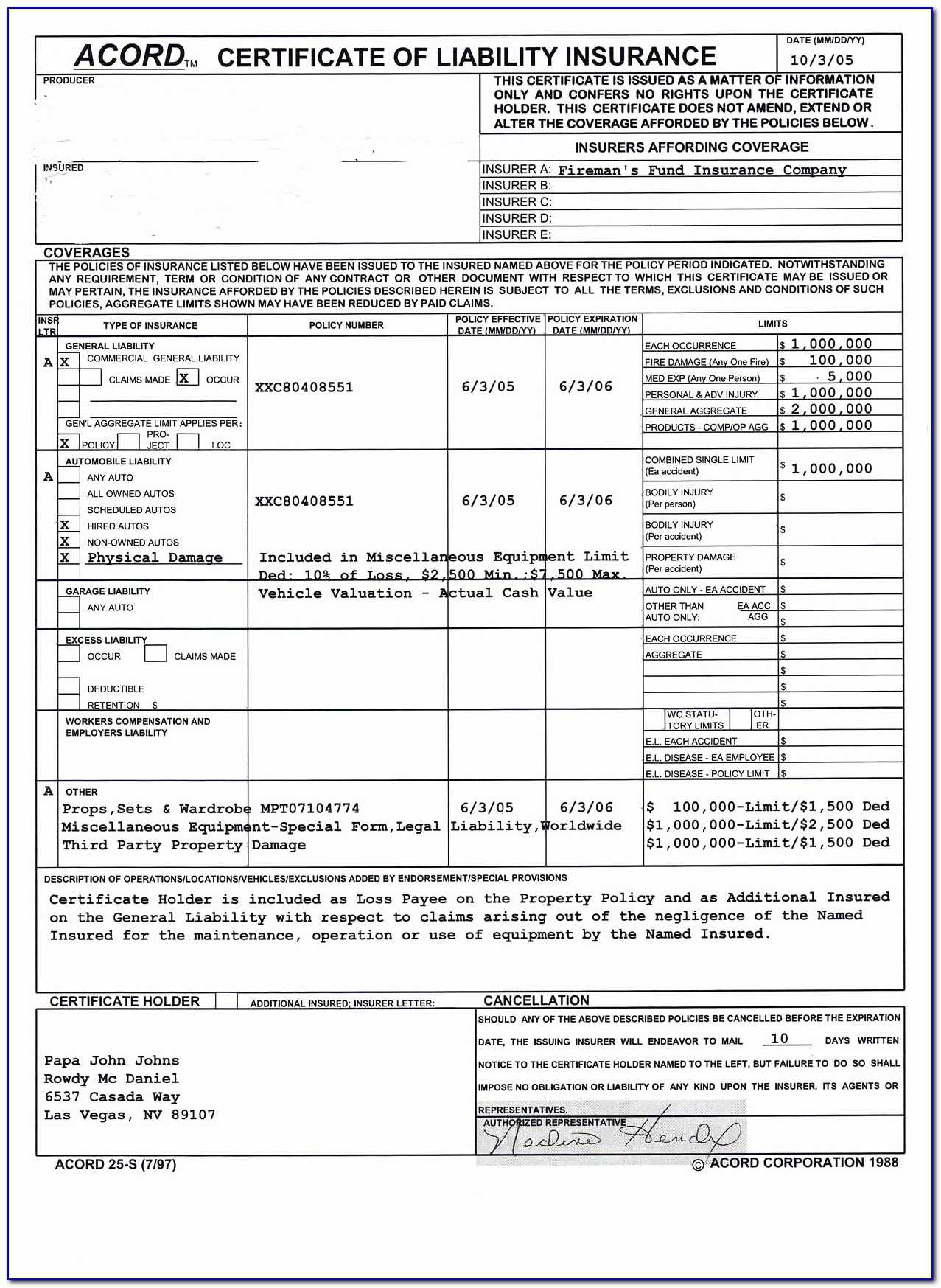
Insured Information: This section details the insured's business name, legal structure (e.g., sole proprietorship, corporation), and any relevant affiliations. It's important to accurately reflect the insured's identity.
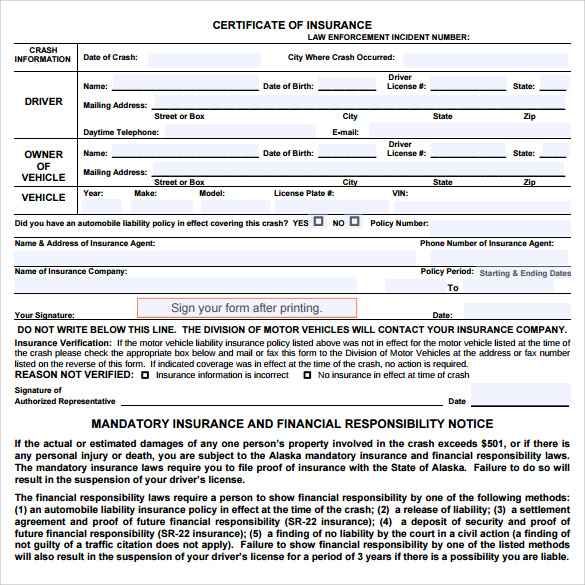
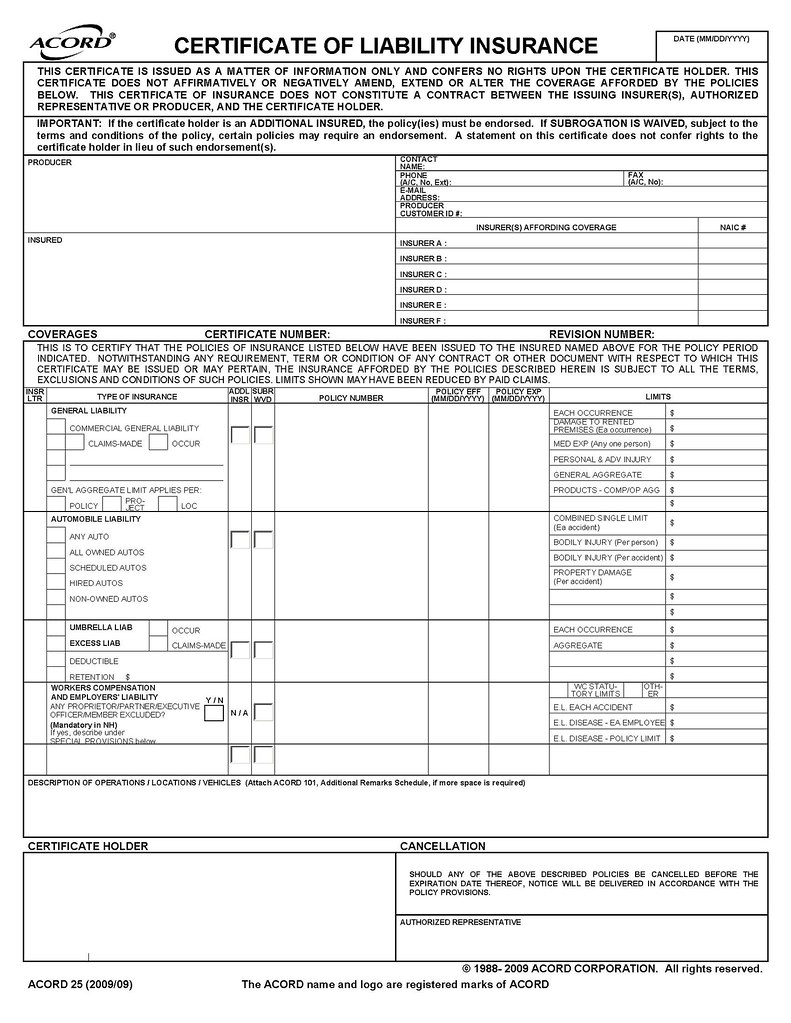
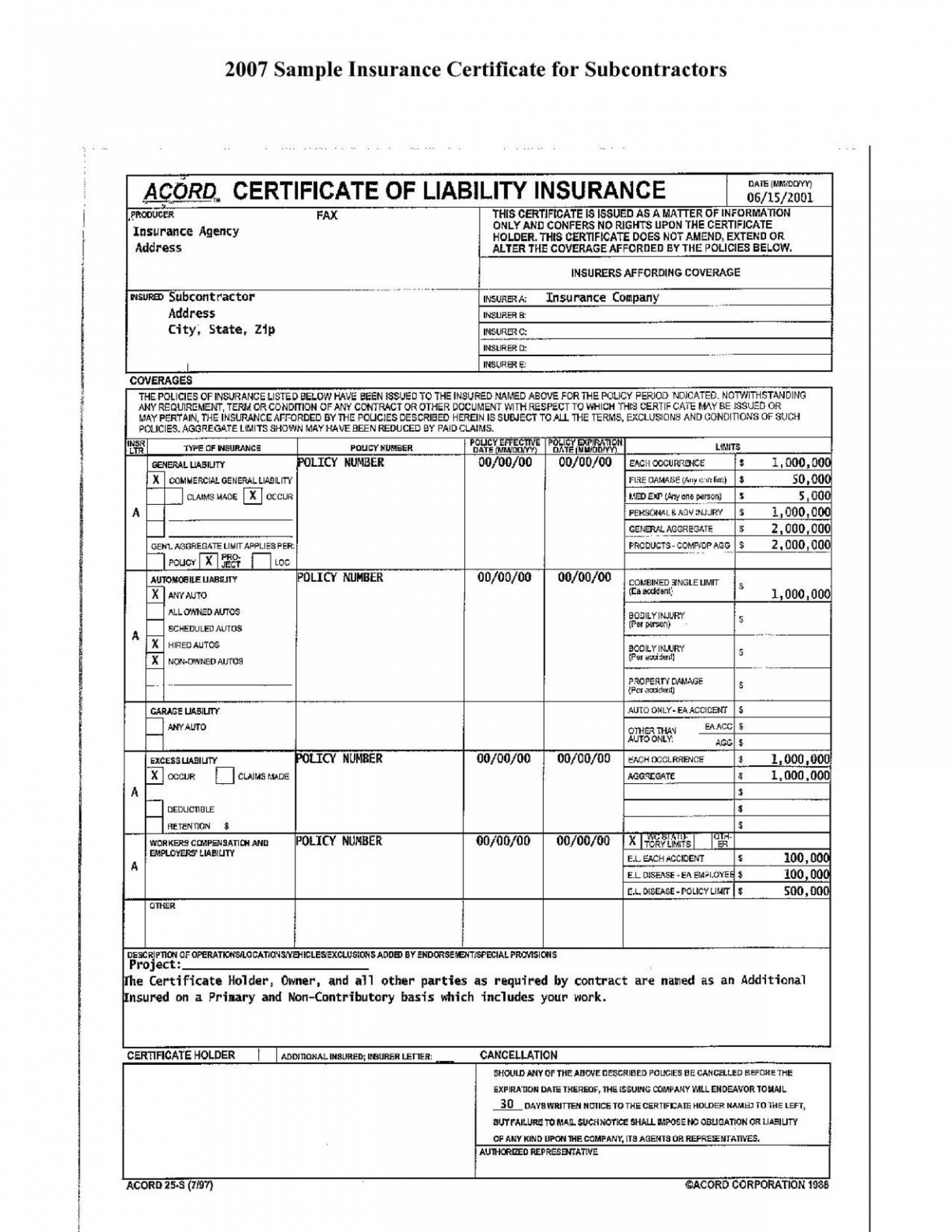
Insurance Coverage Details: This is the core of the template, outlining the specific types of coverage provided. This section will detail the policy limits, deductibles, and exclusions. Certificate Of Insurance Template needs to clearly state what is covered and what isn't.
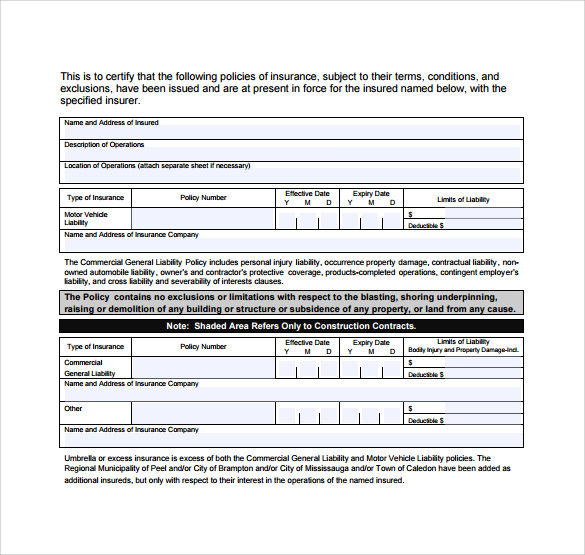
Policy Number: A unique identifier assigned to the policy, essential for tracking and referencing the coverage.

Effective Date: The date the policy becomes effective, crucial for understanding the coverage period.
Exclusions: A detailed list of events or circumstances that are not covered by the policy. This is a critical section to ensure clarity and avoid misunderstandings.
Terms and Conditions: A concise summary of the policy's terms and conditions, outlining the rights and responsibilities of both the insured and the insurer.
Signature and Date: A signature from the insured and a date indicating when the policy was issued.
Subsections – Deep Dive into Essential Sections
Let's examine some of the more detailed sections within the certificate of insurance template:
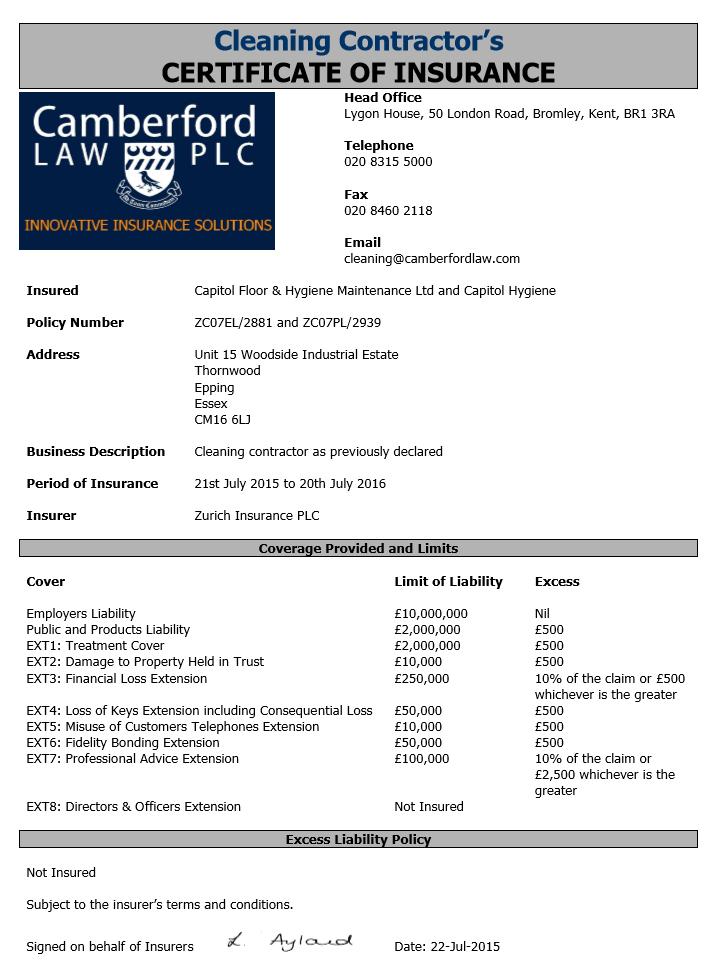
1. Description of Coverage
This section provides a thorough explanation of the specific types of coverage offered. It's vital to clearly articulate what the policy covers – for example, property damage, liability, business interruption, and death benefits. The language used should be precise and avoid ambiguity. For example, a property damage policy might specify coverage for fire, windstorm, and water damage. A liability policy would detail coverage for bodily injury and property damage caused by the insured's operations.
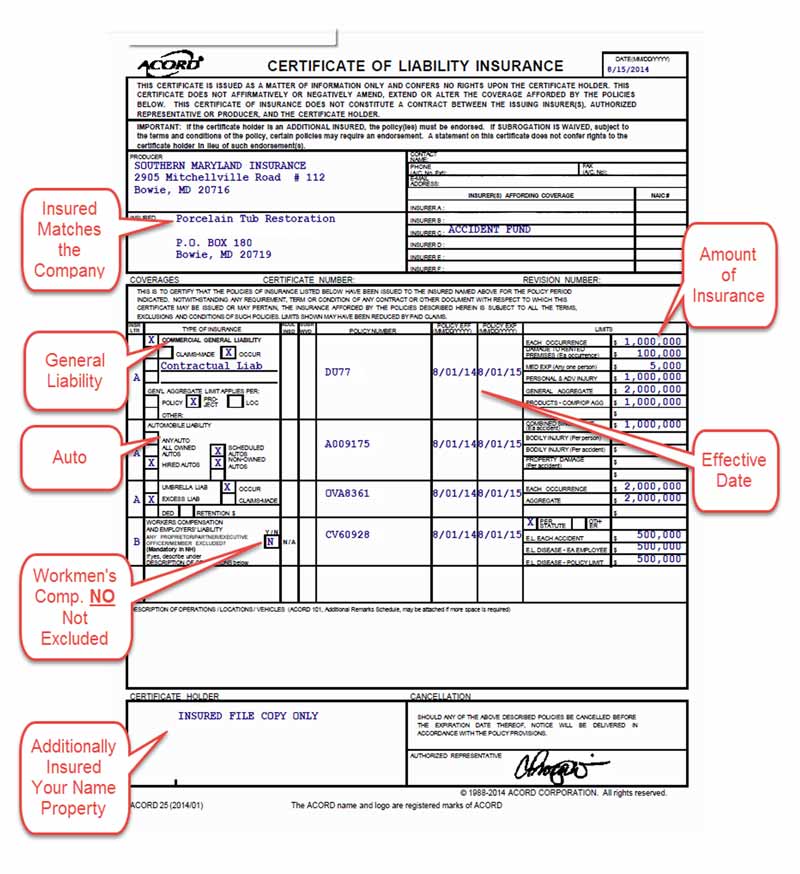
2. Policy Limits
The policy limits define the maximum amount the insurer will pay for a covered loss. It's crucial to understand the policy limits and how they relate to the insured's assets. For example, a $1 million policy limit means the insurer will pay up to $1 million in damages. Regularly reviewing and updating policy limits is essential to ensure adequate protection.
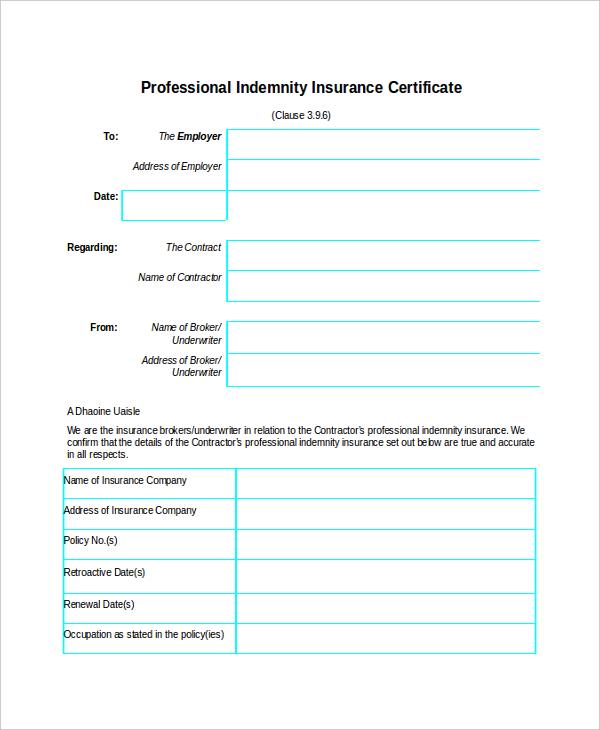
3. Deductibles
A deductible is the amount the insured must pay out-of-pocket before the insurance coverage kicks in. A higher deductible typically results in lower premiums, but it also means the insured bears a greater financial responsibility in the event of a loss. The deductible amount should be clearly stated in the policy.

4. Exclusions
Exclusions outline the specific events or circumstances that are not covered by the policy. These exclusions are critical for understanding the scope of the coverage. Common exclusions include acts of war, government regulations, and certain types of damage. Carefully reviewing the exclusions is essential to ensure the policy accurately reflects the insured's risk profile.
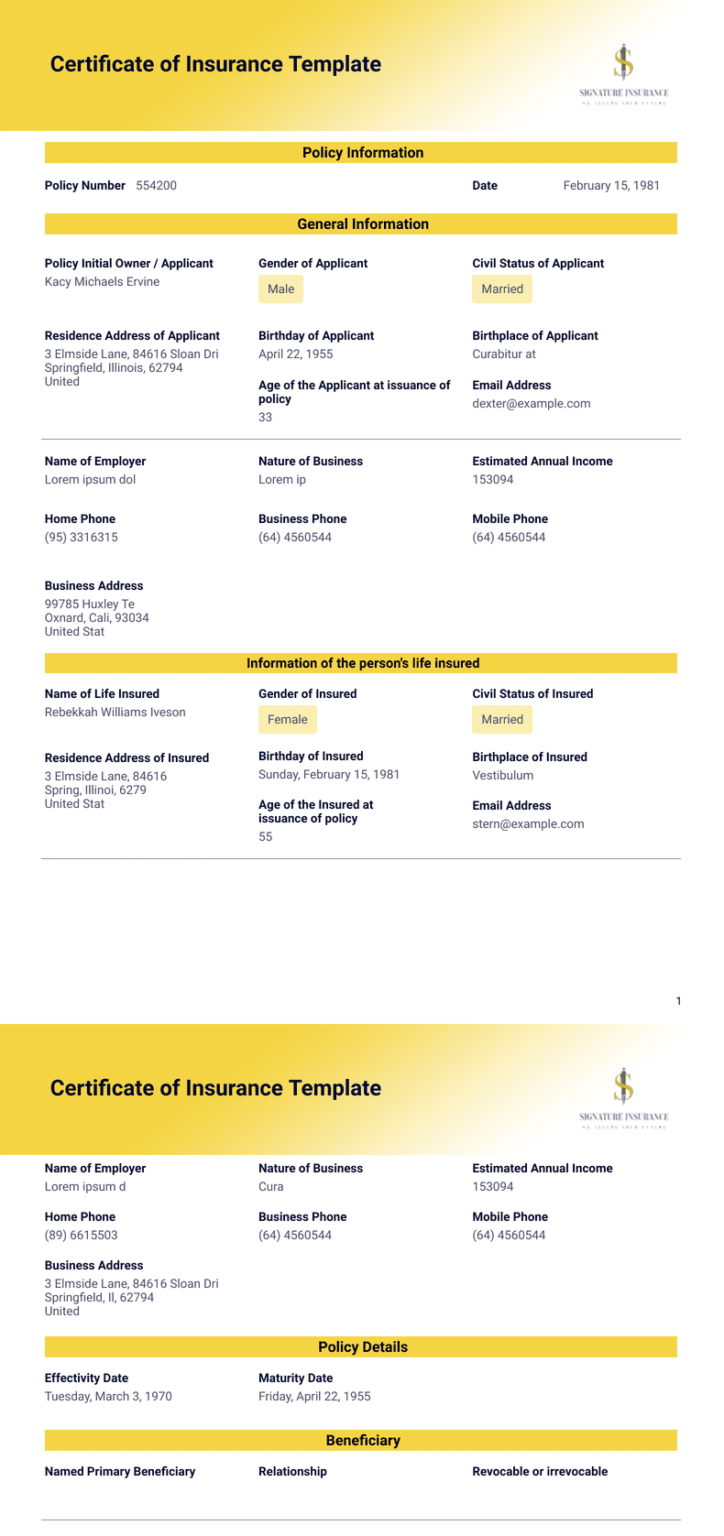
5. Claims Process
A clear and concise claims process is essential for efficient and timely claims handling. The template should outline the steps involved in filing a claim, including the required documentation and the timeframe for processing. It should also specify the insurer's contact information and procedures for handling claims.

6. Governing Law and Dispute Resolution
This section specifies the jurisdiction whose laws will govern the interpretation and enforcement of the policy. It may also outline the process for resolving disputes, such as mediation or arbitration.
Conclusion
Creating and maintaining a comprehensive certificate of insurance template is a critical undertaking for businesses and individuals alike. It's a vital tool for risk management, legal compliance, and financial protection. By understanding the purpose, key components, and best practices for creating a compliant template, you can ensure that your insurance coverage effectively protects your assets and minimizes potential liabilities. Investing the time and resources to develop a well-structured and accurate certificate of insurance is an investment in long-term peace of mind and financial stability. Remember, a properly drafted and maintained certificate of insurance is a cornerstone of responsible business practices and a crucial element of protecting your assets.
Conclusion
The certificate of insurance template is far more than just a piece of paper; it's a fundamental document that safeguards individuals and businesses against unforeseen financial losses. By meticulously considering the key components outlined above – encompassing the purpose, coverage details, and claims process – one can ensure a robust and reliable insurance strategy. Regular review and updates are also paramount, reflecting evolving risks and regulatory requirements. Ultimately, a thoughtfully designed and diligently maintained certificate of insurance provides a crucial layer of protection, contributing significantly to overall financial security and peace of mind.
0 Response to "Certificate Of Insurance Template"
Posting Komentar