
Reliability Report Templates are becoming increasingly vital across numerous industries – from manufacturing and transportation to healthcare and technology. They provide a structured and objective way to assess the performance and maintainability of equipment, systems, and processes. A well-crafted template ensures consistent data collection, facilitates informed decision-making, and ultimately contributes to improved operational efficiency and reduced downtime. This article will delve into the essential components of a robust reliability report template, offering practical guidance on how to create one that effectively communicates critical information. Reliability Report Template – understanding its purpose and building a strong foundation is key to reaping its benefits. The goal isn't just to document problems; it's to proactively identify trends, predict potential failures, and implement preventative measures. A proactive approach, driven by a reliable report, can save significant costs and maintain a competitive edge.
Understanding the Importance of Reliability
The concept of reliability isn't simply about avoiding breakdowns; it's about predicting them. Reliability is defined as the probability that a component or system will perform its intended function for a specified period of time. In the context of equipment and systems, this translates to minimizing unplanned downtime, extending equipment lifespan, and reducing associated costs. Reliability Report Template implementation allows organizations to track performance metrics, identify root causes of failures, and implement corrective actions. Without a standardized approach, troubleshooting becomes reactive, leading to delays and potentially catastrophic consequences. Furthermore, demonstrating a commitment to reliability builds trust with stakeholders – customers, investors, and partners.
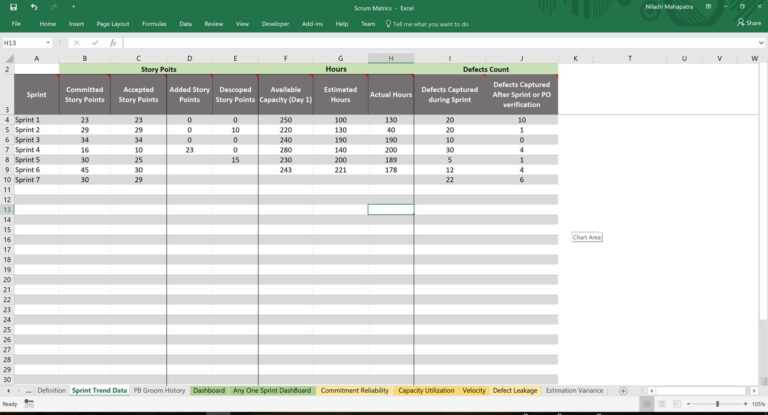
Core Components of a Reliability Report Template
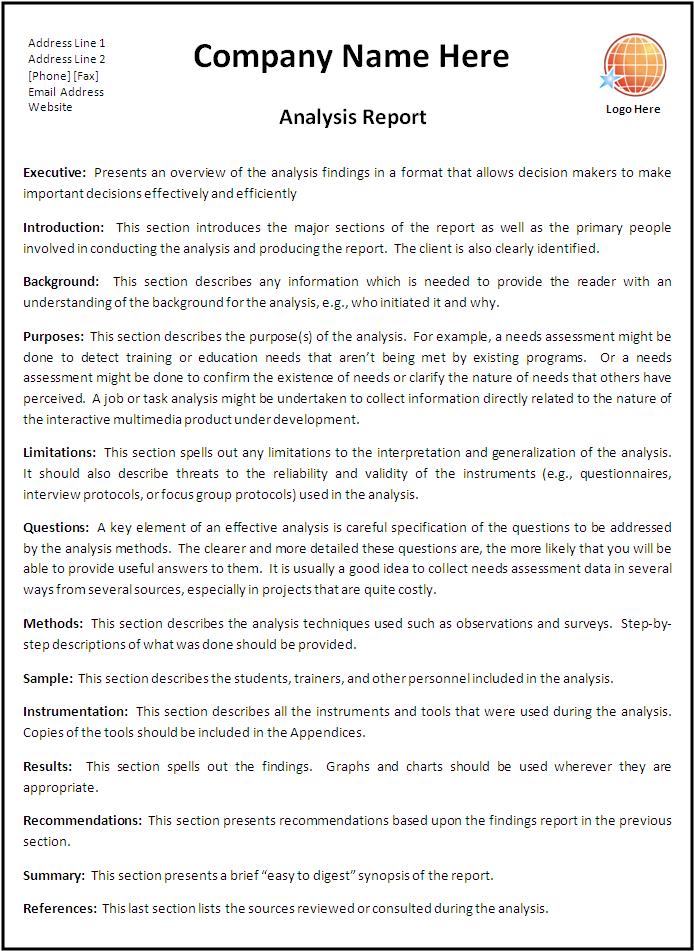
A comprehensive reliability report template typically includes several key sections. Each section is designed to gather specific data and insights. Let's examine some of the most important elements:
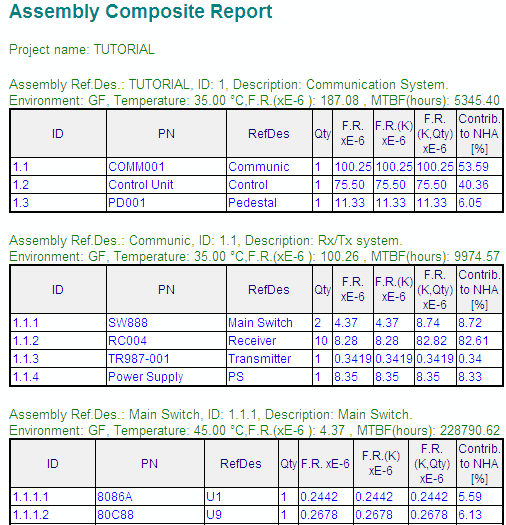
1. Executive Summary
The Executive Summary provides a high-level overview of the report's findings. It's a concise summary of the key issues, trends, and recommendations. It's crucial to present this section in a way that's easily digestible for busy stakeholders. This section should highlight the most significant problems and offer a clear path forward. It's often the first thing read, so it needs to be impactful.
2. Equipment/System Information
This section details the specific equipment or system being assessed. It includes information such as:

- Model Number: A unique identifier for the asset.
- Manufacturer: The company responsible for the equipment.
- Serial Number: For traceability and identification.
- Installation Date: Important for understanding historical performance.
- Operating Environment: Temperature, humidity, and other environmental factors that may impact performance.
3. Performance Data
This is the heart of the report, presenting the data collected over a defined period. Key metrics include:

- Mean Time Between Failures (MTBF): The average time between failures. A higher MTBF indicates better reliability.
- Mean Time To Repair (MTTR): The average time taken to repair a failure. Lower MTTR is desirable.
- Failure Rate: The frequency of failures per unit of time.
- Operational Hours: The total number of hours the equipment has been operational.
- Error Rates: Quantify any errors or deviations from expected performance.
4. Root Cause Analysis
This section investigates the underlying causes of failures. It's not enough to simply identify the problem; it's crucial to understand why it happened. Techniques like the 5 Whys or Fishbone diagrams can be helpful here. Documenting the root cause allows for targeted corrective actions.
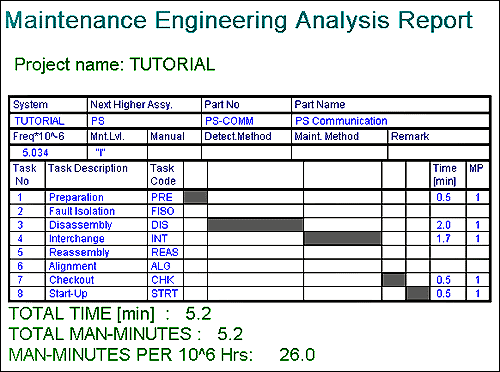
5. Maintenance History
A detailed record of maintenance activities is essential. This includes:

- Date of Maintenance:
- Type of Maintenance: (e.g., routine inspection, preventative maintenance, repair)
- Performed by: Who performed the maintenance?
- Parts Used: Details about the maintenance performed.
- Cost of Maintenance: The financial impact of the maintenance.
6. Inspection and Testing Results
This section includes the results of inspections and tests performed on the equipment. This could include visual inspections, functional tests, and non-destructive testing (NDT). Record any anomalies or deviations from specifications.
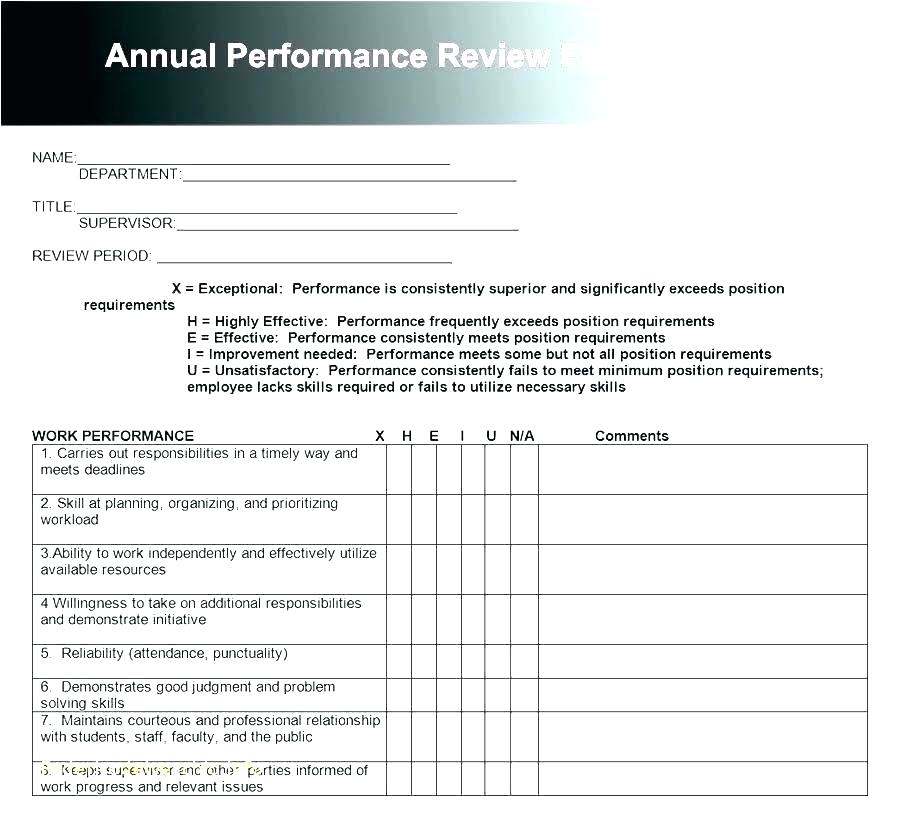
7. Recommendations
Based on the analysis, this section outlines specific recommendations for improving reliability. These recommendations should be actionable and prioritized based on their potential impact.
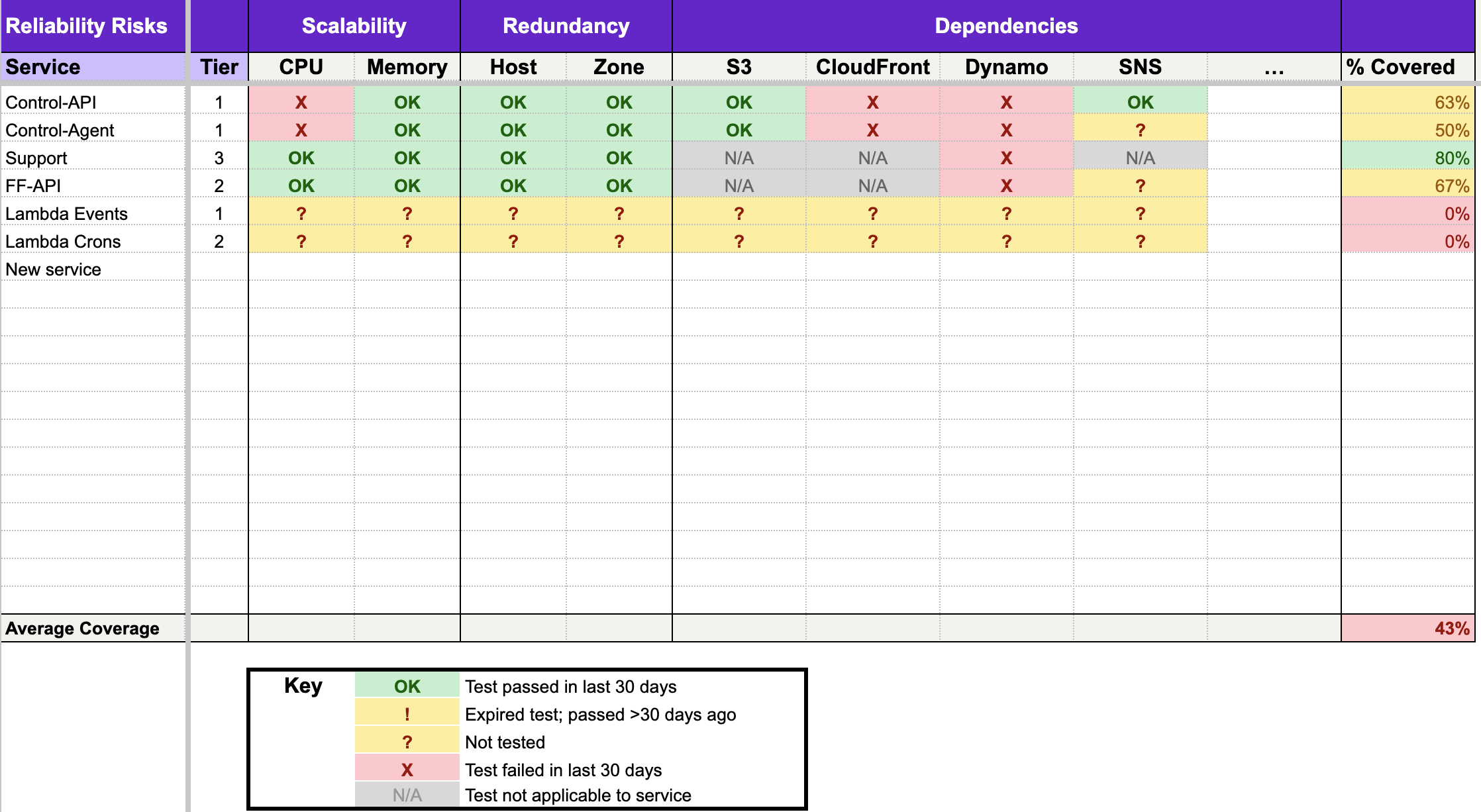
Leveraging the Power of a Robust Reliability Report Template
Using a well-structured reliability report template isn't just about filling out forms; it's about fostering a culture of continuous improvement. It provides a framework for systematically identifying and addressing potential problems. Furthermore, a standardized template ensures consistency across different teams and departments, facilitating collaboration and knowledge sharing. The template should be adaptable to different industries and equipment types. Consider incorporating industry-specific standards and best practices.
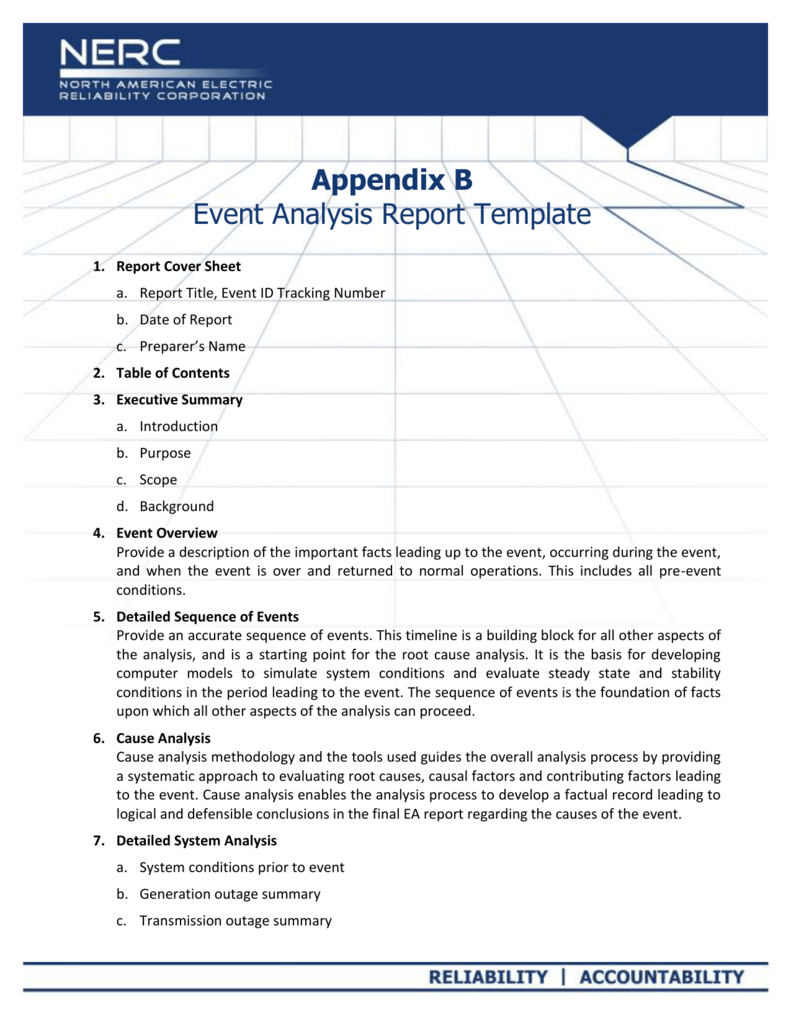
The Role of Data in Reliability Reporting
The accuracy and completeness of the data collected in a reliability report are paramount. Garbage in, garbage out – this adage holds true. Ensure that data is collected consistently and accurately through standardized procedures. Invest in training for personnel responsible for data collection to minimize errors. Furthermore, utilize data visualization tools to present the information in a clear and understandable manner. Charts and graphs can effectively communicate trends and patterns.
Beyond the Template: Continuous Improvement
A reliability report isn't a one-time exercise; it's an ongoing process. Regularly review and update the template to reflect changes in equipment, processes, and industry best practices. Implement a system for tracking corrective actions and monitoring their effectiveness. Foster a culture of proactive maintenance and continuous improvement. By embracing this approach, organizations can significantly enhance their reliability and achieve their operational goals.
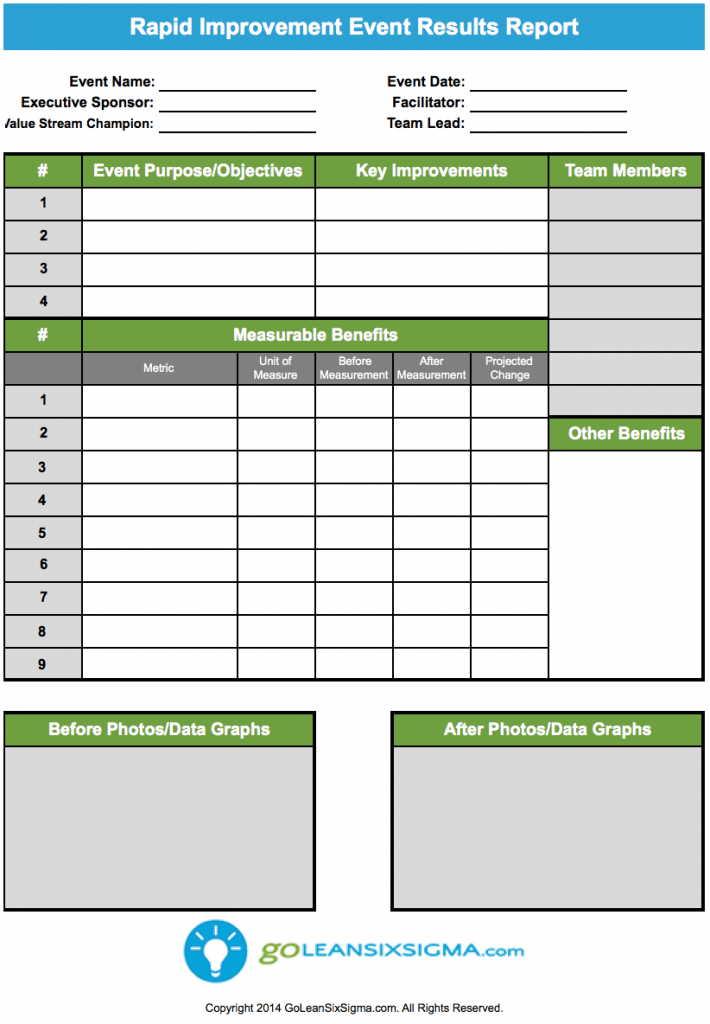
Conclusion
Reliability Report Templates are an indispensable tool for organizations seeking to optimize their equipment and systems. By implementing a well-designed template, businesses can gain valuable insights into potential problems, proactively address issues, and ultimately improve operational efficiency and reduce downtime. The key to success lies in understanding the template's components, consistently collecting accurate data, and utilizing the information to drive continuous improvement. Investing in a reliable reporting system is an investment in the long-term success of your organization. Reliability Report Template – a strategic asset for any organization striving for operational excellence.
0 Response to "Reliability Report Template"
Posting Komentar