
Creating a compelling sponsorship proposal is a critical step for any business seeking to expand its reach and generate revenue. A well-crafted proposal demonstrates a clear understanding of your target audience and a strategic approach to aligning marketing efforts with their needs. This guide provides a comprehensive framework for developing a successful sponsorship proposal template, ensuring your message resonates and achieves desired outcomes. Sponsor Proposal Template is more than just a document; it's a tool for building relationships and securing valuable partnerships. The goal is to present a persuasive case for collaboration, highlighting the mutual benefits and demonstrating a commitment to achieving shared objectives. A strong proposal isn't just about selling; it's about building a lasting partnership. Let's delve into the key components and best practices for creating a template that truly delivers results.
Understanding the Importance of Sponsorship Proposals
The modern business landscape demands more than just product promotion. Consumers are increasingly discerning and seek brands that align with their values and contribute to positive social impact. Sponsorship proposals are a powerful mechanism for achieving this, allowing businesses to connect with potential partners and demonstrate their commitment to community engagement. A poorly executed proposal can be a wasted opportunity, while a well-structured one can significantly increase the chances of securing funding, visibility, and valuable relationships. The process involves a careful assessment of your brand's objectives, your target audience, and the potential benefits of a partnership. It's about demonstrating that your investment is not just about your company's profit, but also about the positive impact it will have on the community or industry. Without a strategic approach, sponsorship proposals can easily fall flat, resulting in a missed opportunity.

Core Components of a Successful Sponsorship Proposal
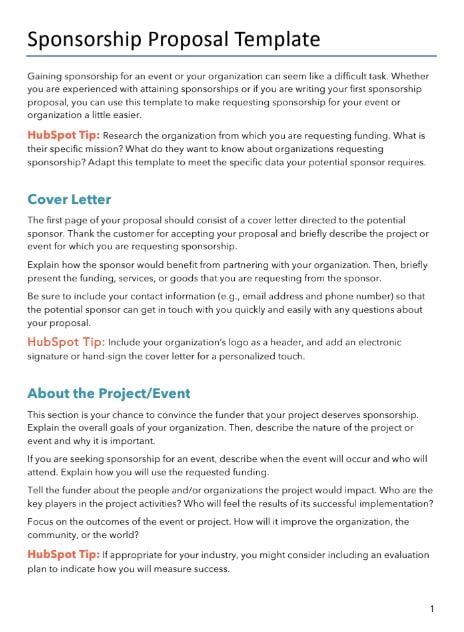
A robust sponsorship proposal typically includes several key sections. Each section should be carefully crafted to clearly communicate the value proposition and demonstrate the alignment between the sponsor and the recipient. Here's a breakdown of the essential elements:

1. Executive Summary
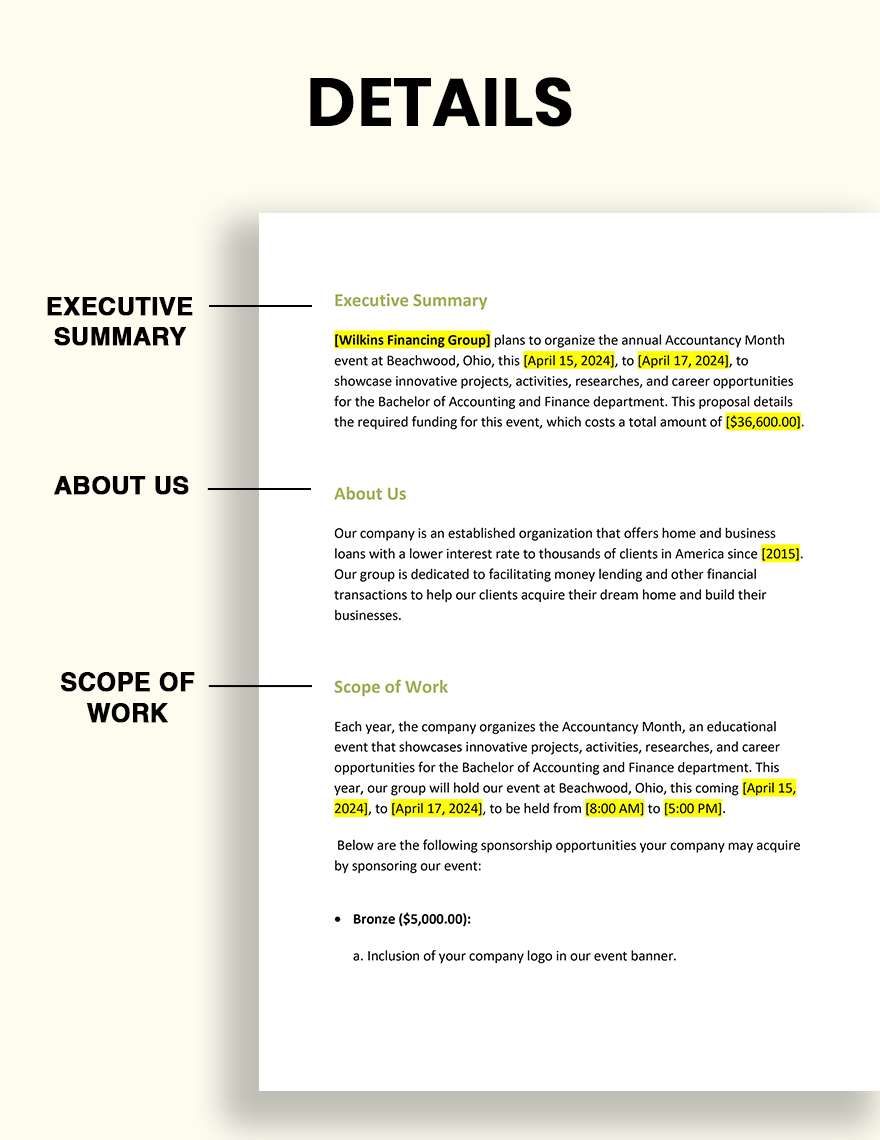
The executive summary is the first thing a decision-maker will read. It should concisely summarize the entire proposal, highlighting the key benefits for the sponsor and the proposed partnership. It's a brief overview that grabs attention and encourages the reader to delve deeper. Sponsor Proposal Template success hinges on this initial impression. A strong executive summary should clearly articulate the problem the sponsor is trying to solve, the proposed solution, and the expected return on investment.
2. Company Overview
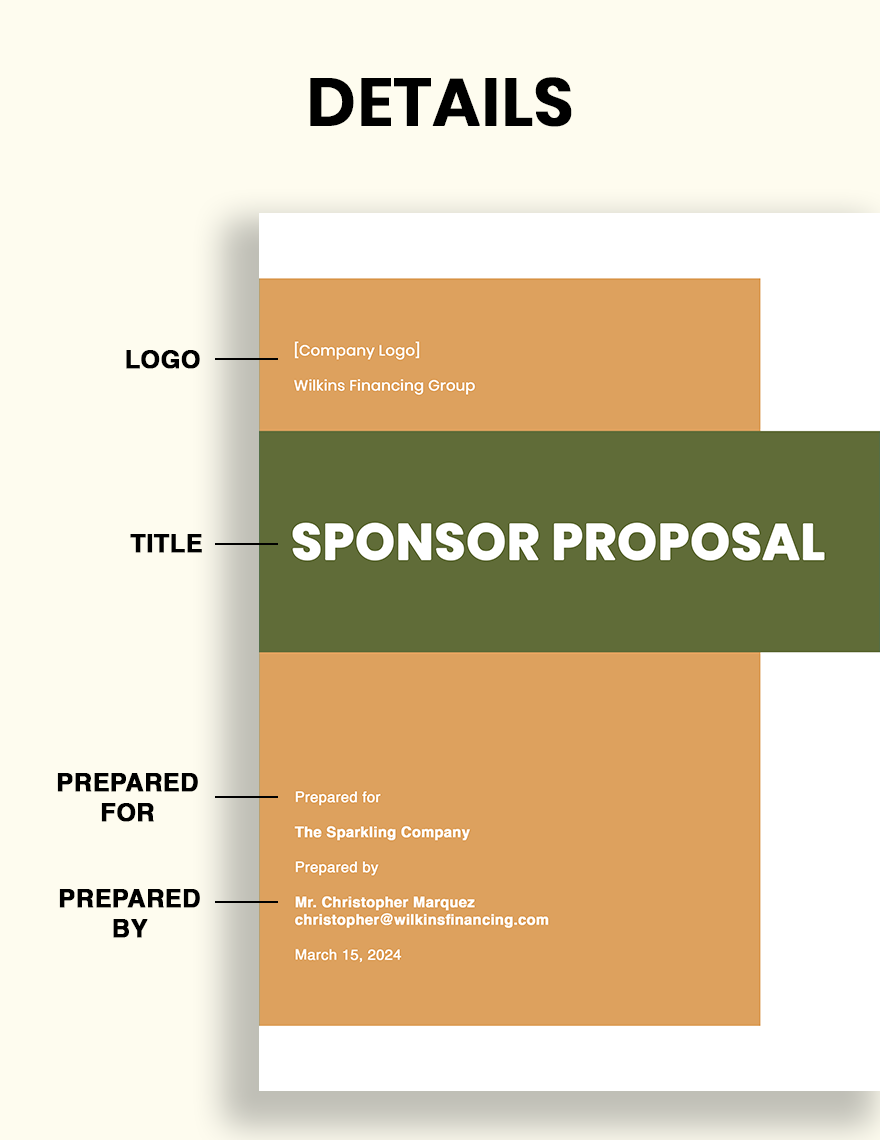
This section provides a brief overview of your company, including its mission, values, and key offerings. It's important to showcase your company's expertise and demonstrate your credibility. Highlight any relevant achievements or milestones that demonstrate your company's capabilities. Consider including a visual element, such as a logo or branding assets, to reinforce your brand identity. A clear and concise presentation of your company's strengths is crucial for building trust with potential sponsors.

3. Proposed Sponsorship Opportunity
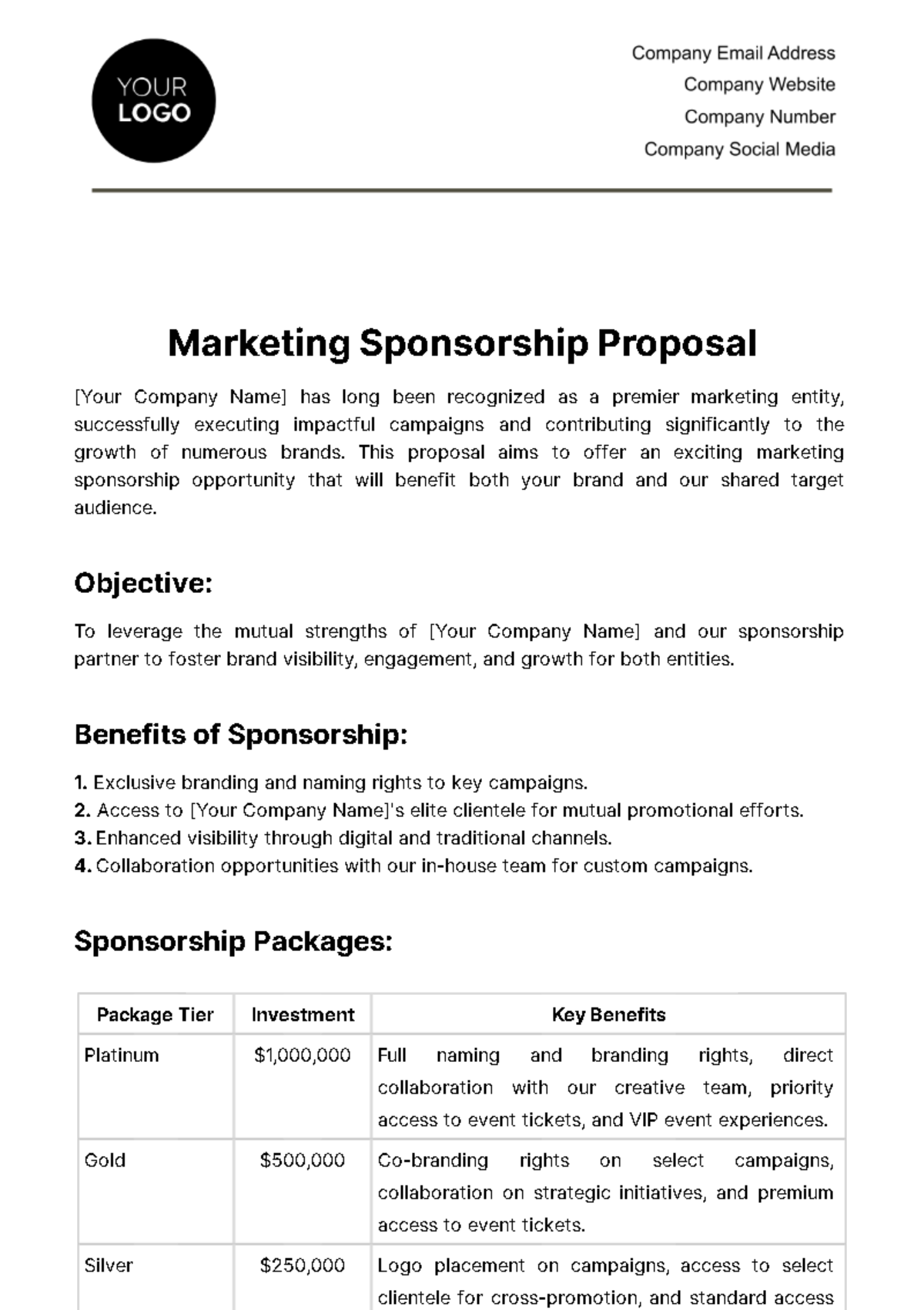
This is the heart of the proposal, detailing the specific sponsorship opportunities available. Clearly outline the types of sponsorship packages you're offering – ranging from logo placement and event sponsorships to digital advertising and content partnerships. Be specific about the benefits associated with each package, such as brand visibility, lead generation, and audience engagement. Sponsor Proposal Template should clearly define the scope of the sponsorship, including the duration, deliverables, and associated costs.
4. Target Audience & Market Analysis
Demonstrate a thorough understanding of your target audience. This section should explain who you're trying to reach with your sponsorship and why they're a good fit for your brand. Include demographic data, psychographic information, and any relevant market trends. Supporting data, such as market research reports, can strengthen your argument. Understanding your audience is paramount to crafting a compelling sponsorship strategy.
5. Proposed Campaign Strategy
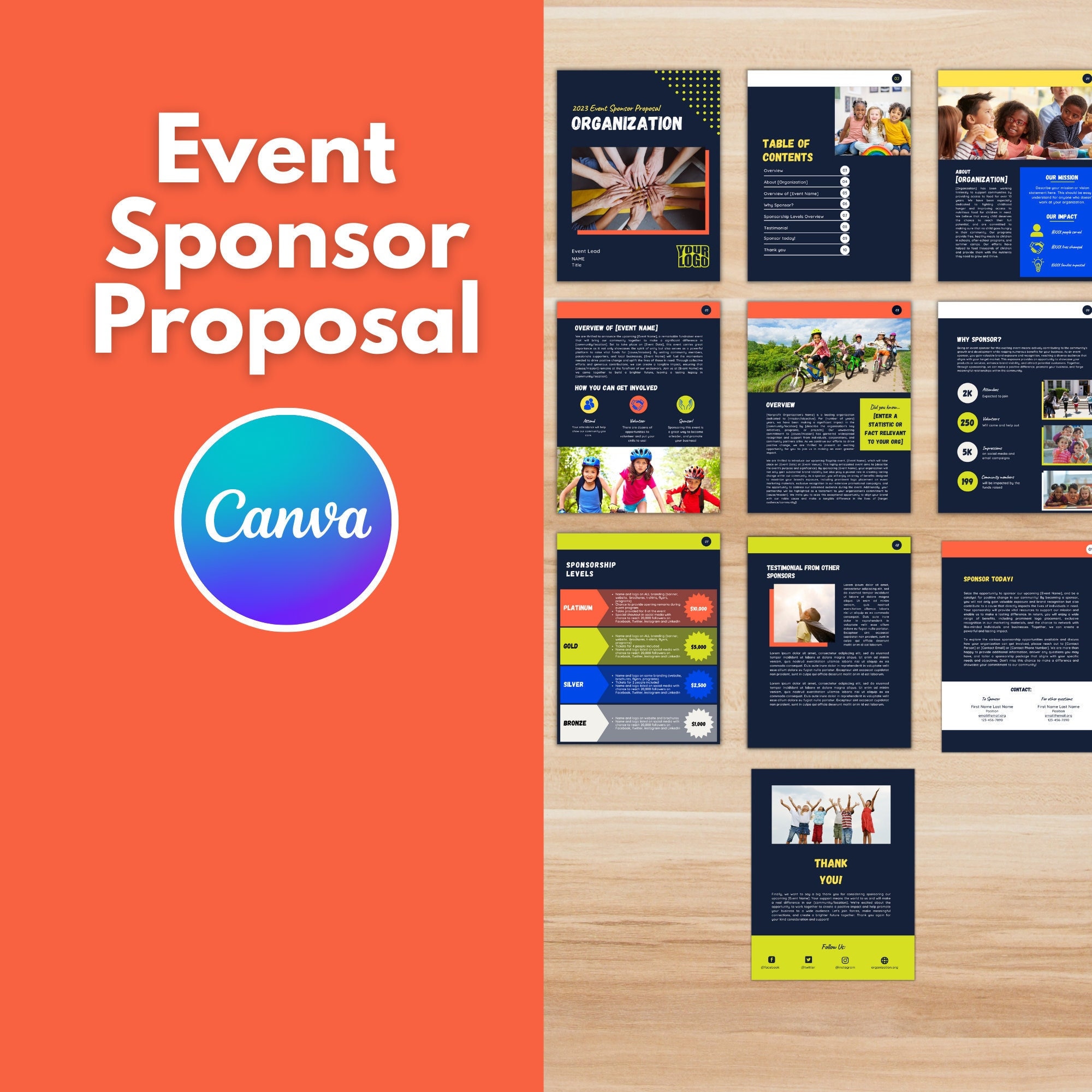
This section outlines the specific tactics you'll use to promote your sponsorship and achieve your goals. Describe the channels you'll utilize – social media, email marketing, website banners, events, and more. Explain how you'll integrate your brand message and create engaging content. Consider incorporating a detailed timeline and key milestones. A well-defined campaign strategy is essential for ensuring a successful partnership.

6. Financial Projections & ROI
This is a critical section for demonstrating the financial viability of the sponsorship. Provide detailed financial projections, including estimated sponsorship costs, potential revenue generation, and a clear calculation of the return on investment (ROI). Be transparent about your costs and demonstrate how the sponsorship will contribute to your bottom line. Present this information in a visually appealing format, such as a spreadsheet or chart. Sponsor Proposal Template should include a clear breakdown of how the sponsorship aligns with the sponsor's budget and marketing objectives.
7. Call to Action
This section concludes the proposal with a clear call to action, urging the sponsor to move forward with the partnership. Reiterate the key benefits of the sponsorship and express your enthusiasm for collaborating. Make it easy for the sponsor to take the next step, such as scheduling a meeting or signing a contract.

Beyond the Basics: Adding Value to Your Proposal
While the core components outlined above are essential, consider adding value to your proposal to differentiate it from the competition. This could include:
- Case Studies: Showcase successful sponsorship campaigns you've run for other clients.
- Customized Recommendations: Tailor your proposal to the specific needs and goals of the sponsor.
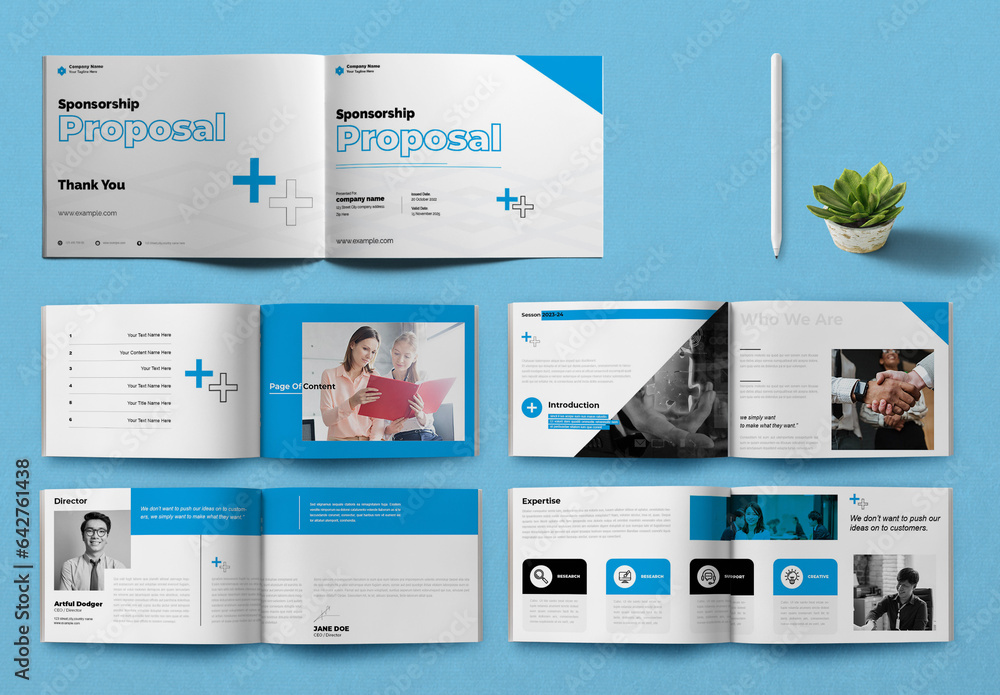
- Visual Assets: Include high-quality images, videos, and infographics to enhance engagement.
- Data-Driven Insights: Back up your claims with relevant data and statistics.
Conclusion
Creating a successful sponsorship proposal template requires careful planning, thorough research, and a strategic approach. By focusing on the key components outlined above and adding value to your proposal, you can significantly increase your chances of securing the funding and partnership you need to achieve your marketing goals. A well-crafted proposal isn't just a document; it's a tool for building lasting relationships and driving measurable results. Ultimately, a strong sponsorship proposal demonstrates a clear understanding of your target audience, a compelling value proposition, and a commitment to achieving shared objectives. Investing the time and effort to develop a truly effective proposal is an investment in the future of your brand.
Conclusion
The sponsorship proposal is a dynamic tool, requiring constant refinement and adaptation to the evolving landscape of marketing and business partnerships. By consistently focusing on delivering value, demonstrating a strategic alignment, and meticulously addressing the needs of the sponsor, businesses can unlock the full potential of these collaborative opportunities. A proactive and well-executed sponsorship proposal template is a cornerstone of successful brand engagement and revenue generation. Remember to always prioritize clarity, conciseness, and a demonstrable return on investment.
0 Response to "Sponsor Proposal Template"
Posting Komentar