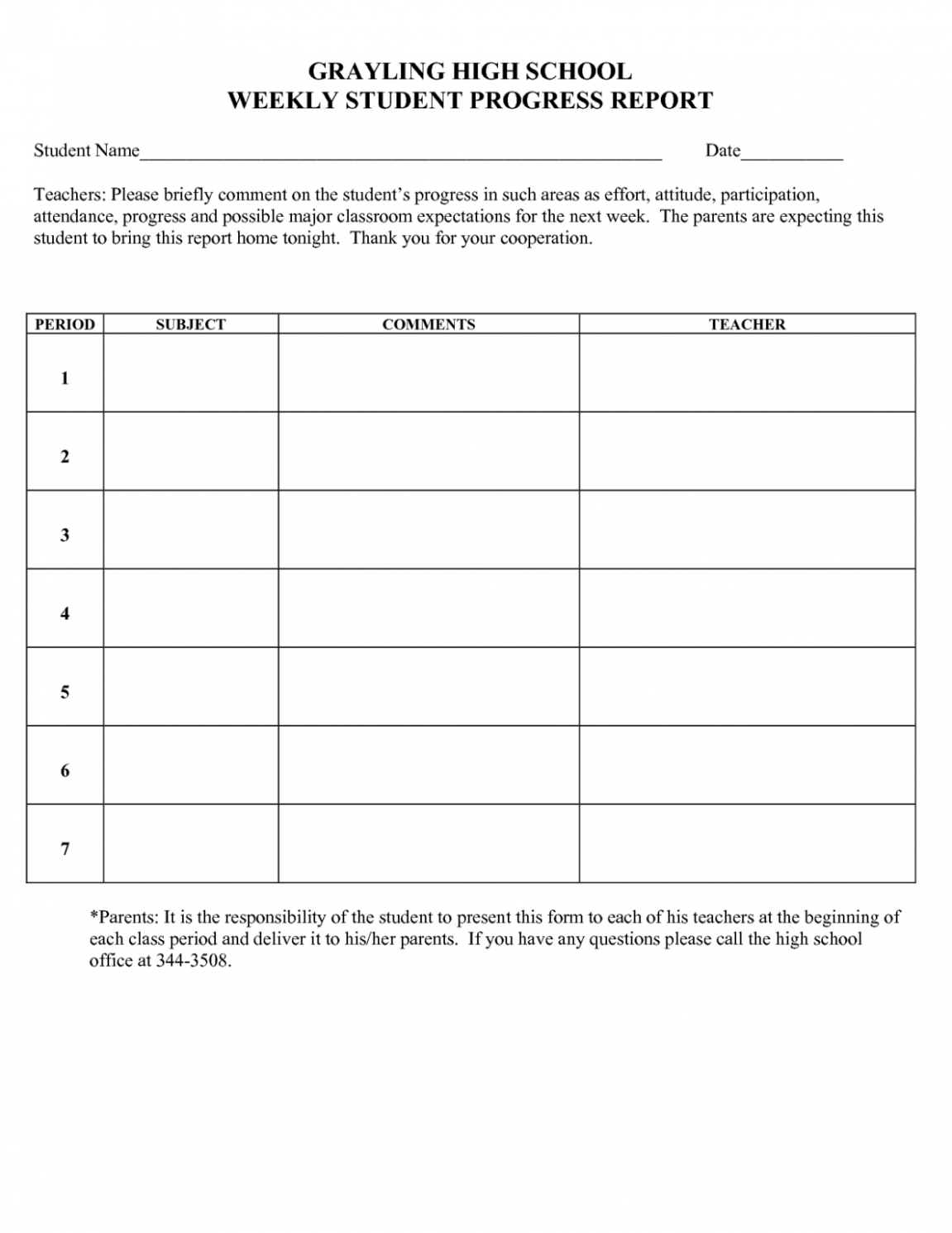
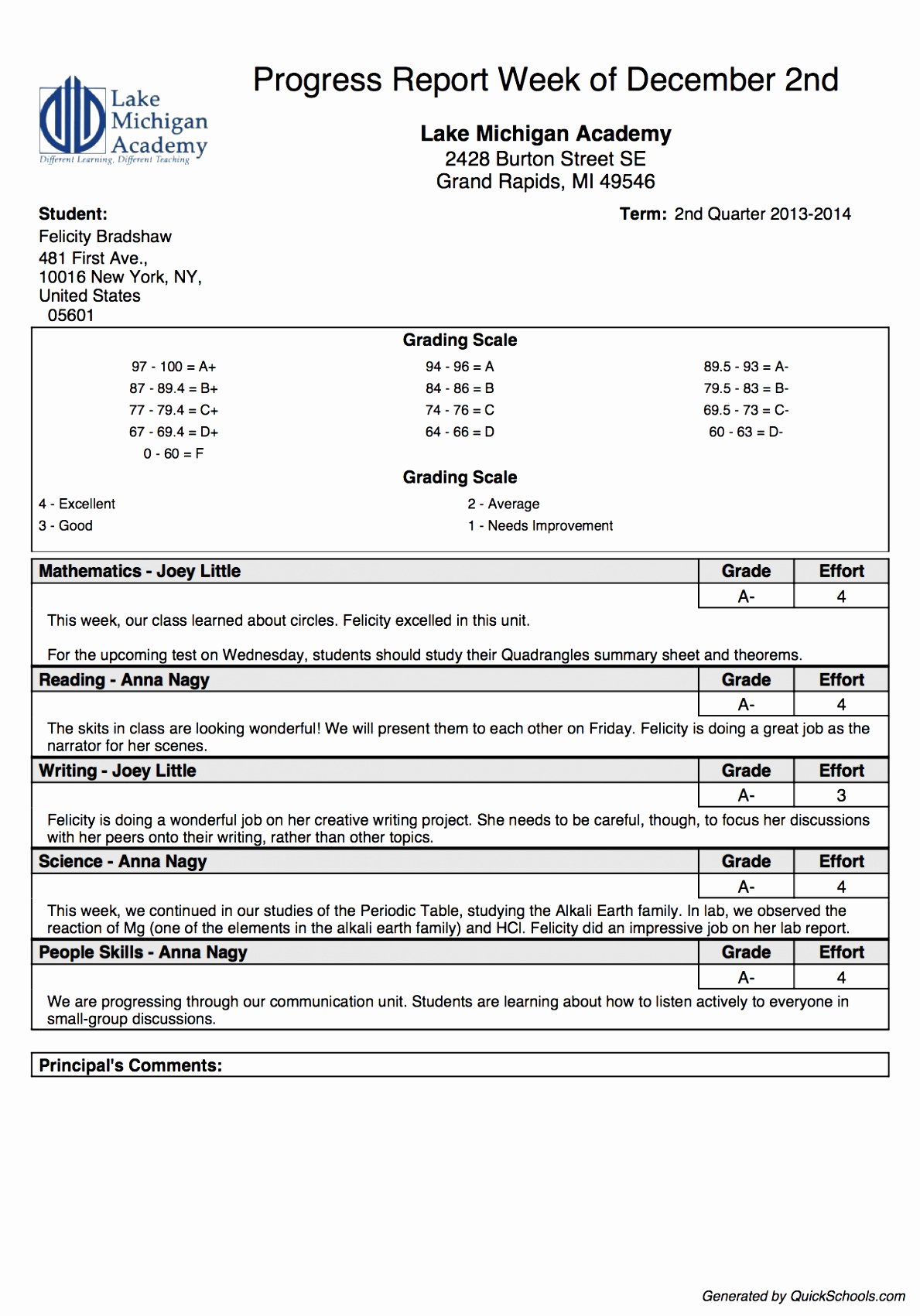
The process of evaluating student performance and tracking progress is a vital component of effective education. A well-structured School Progress Report Template provides a clear and concise framework for educators, administrators, and parents to understand student achievements, identify areas for improvement, and support student success. This template is designed to be adaptable to various school settings and can be tailored to meet specific needs and goals. It's more than just a document; it's a tool for proactive improvement and accountability. School Progress Report Template is a cornerstone of consistent and meaningful assessment. It's a dynamic document that evolves alongside the student's journey, reflecting their growth and challenges. A thoughtfully designed template ensures that data is collected accurately, analyzed effectively, and used to inform strategic decisions. Investing in a robust template is an investment in student outcomes.
Understanding the Purpose of a School Progress Report
The primary purpose of a School Progress Report Template is to systematically document student performance across various domains. It moves beyond simply assigning grades and provides a holistic view of a student's strengths and weaknesses. It's a communication tool that facilitates collaboration between teachers, parents, and administrators. By providing a shared understanding of student progress, the template fosters a supportive environment where students feel valued and empowered to take ownership of their learning. Furthermore, it allows for targeted interventions and support to address specific needs. Without a standardized approach, it's difficult to effectively monitor student growth and ensure equitable opportunities for all. The template's structure promotes transparency and allows for objective evaluation.
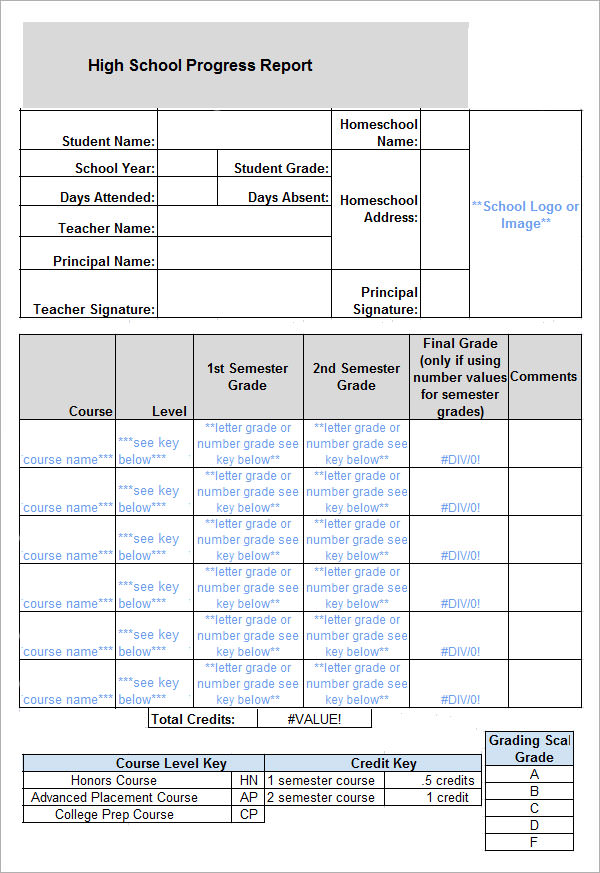
Key Sections of a School Progress Report Template
Let's examine the key sections typically included within a comprehensive School Progress Report Template. Each section is designed to gather specific data and insights.
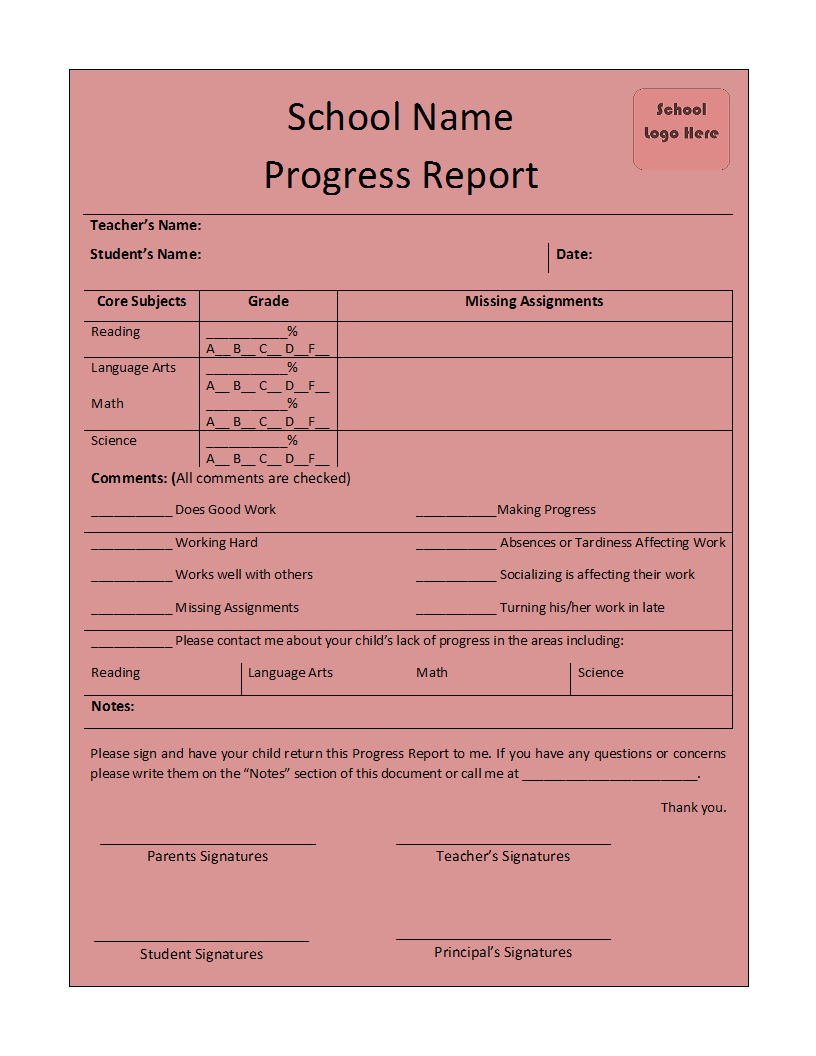
1. Student Demographics and Background
This section provides essential information about the student, including their age, grade level, and any relevant demographic factors. It's crucial to gather this data accurately and consistently. Details such as family background, socioeconomic status, and any special needs should be noted. Understanding these factors can help educators tailor their support to the student's individual circumstances. For example, a student from a low-income family may require additional resources to succeed academically. Collecting this information allows for a more nuanced understanding of the student's potential and challenges. This section is vital for identifying potential barriers to learning and developing appropriate strategies.
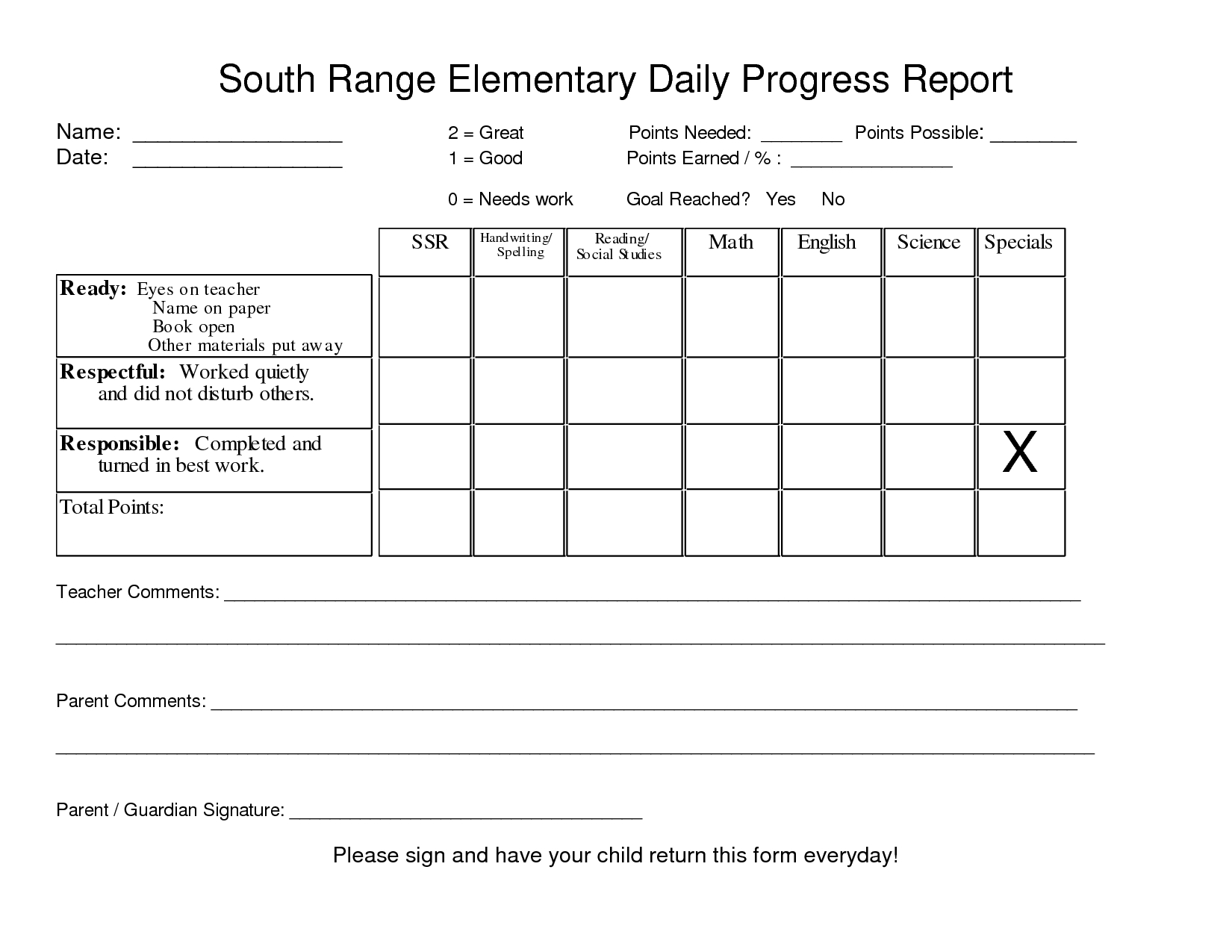
2. Academic Performance – Grades and Assessments
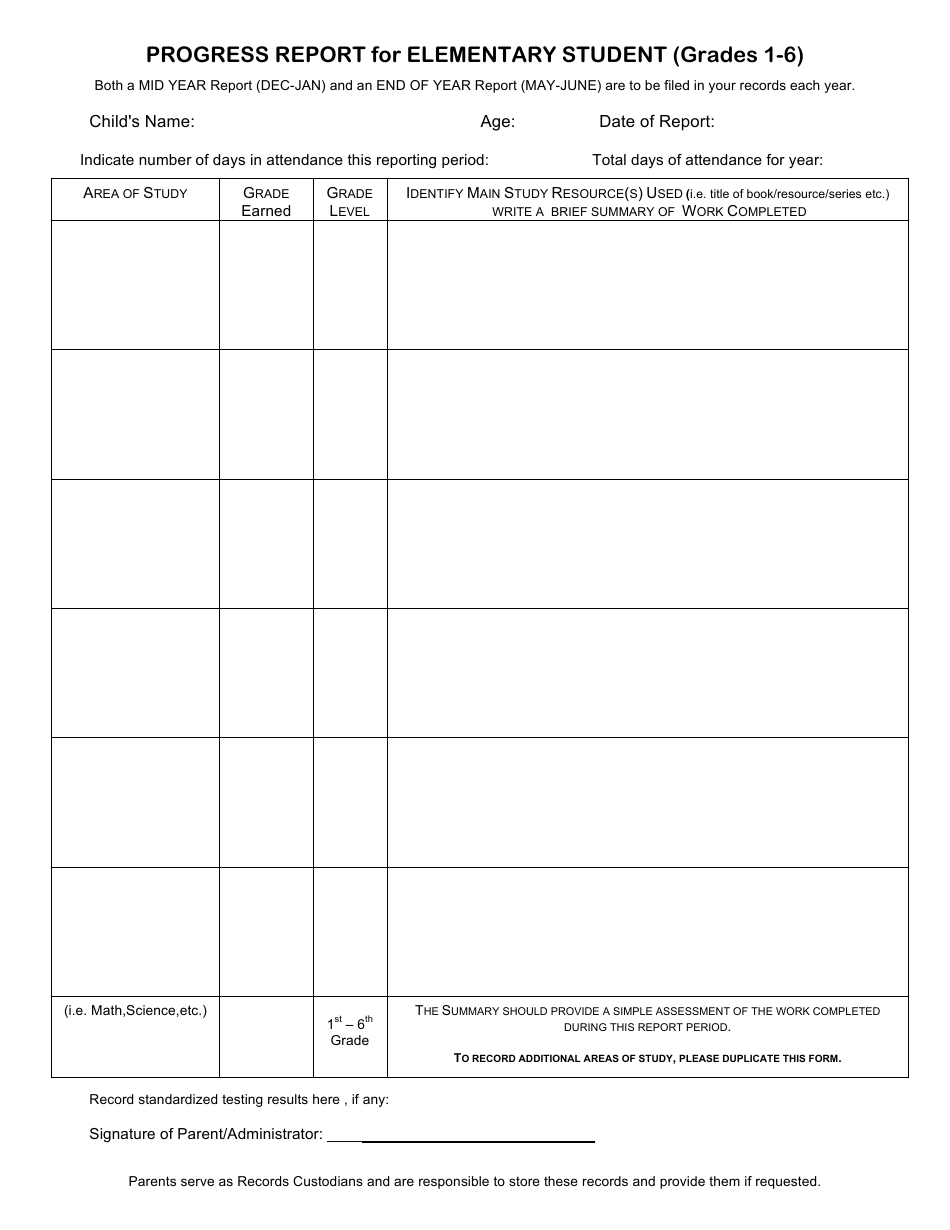
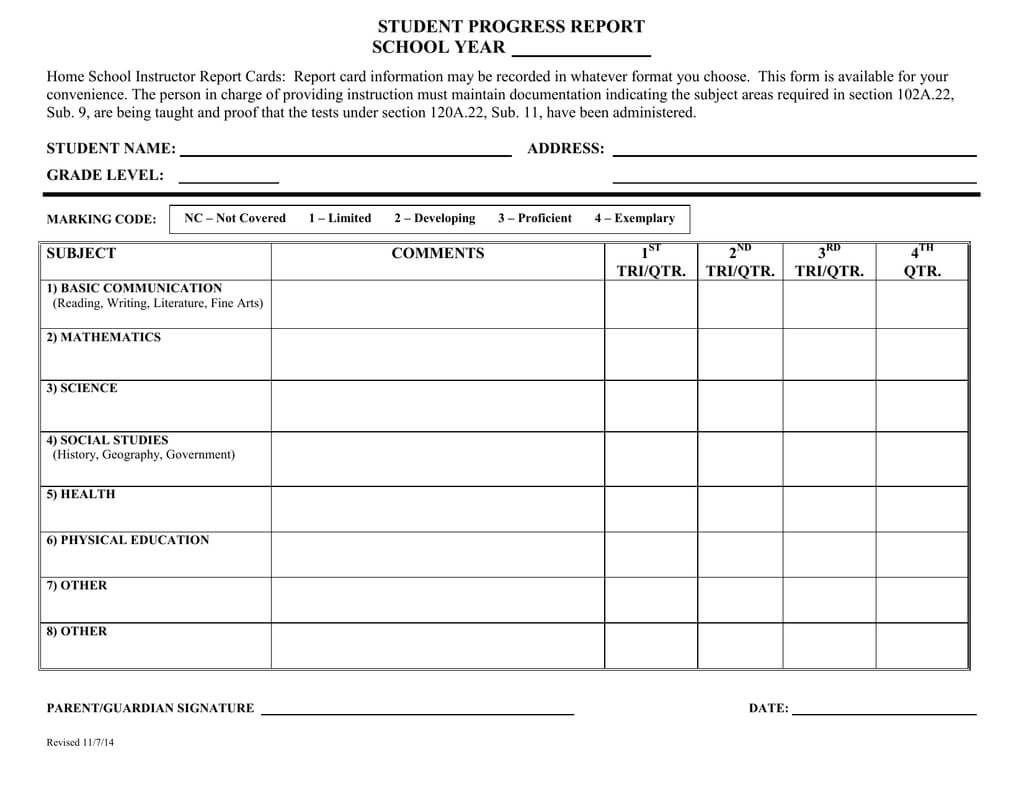
This section details the student's performance on assignments, tests, quizzes, and other assessments. It's important to record grades accurately and provide context for the student's performance. Consider including a brief analysis of the student's strengths and weaknesses in each subject. For example, a student struggling with fractions might benefit from targeted tutoring or alternative learning strategies. Regular assessment data is key to identifying areas where the student needs additional support. The template should include a clear rubric for evaluating student work.
3. Classroom Participation and Engagement
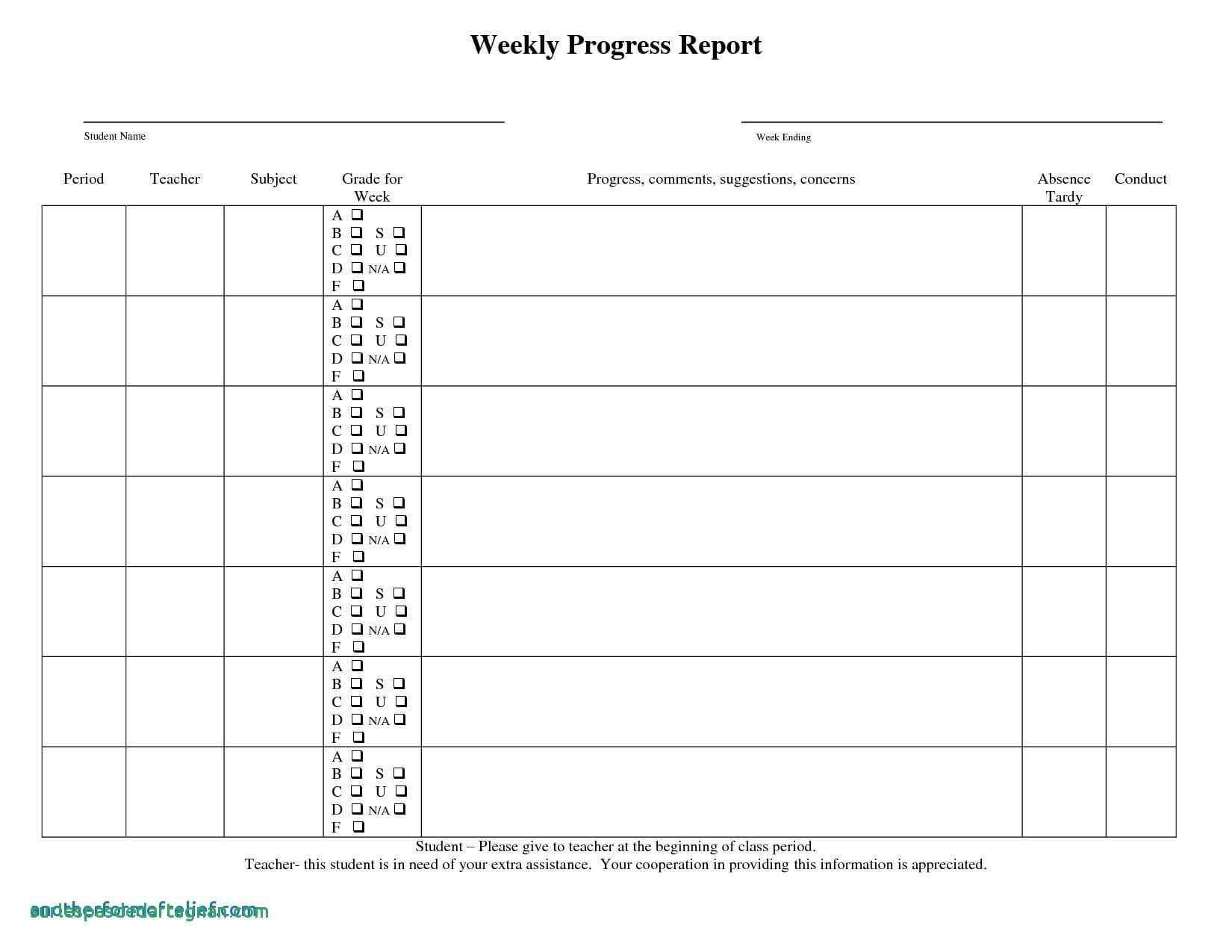
This section assesses the student's engagement in class activities, their ability to participate in discussions, and their overall attitude towards learning. It's important to note any instances of disruptive behavior or lack of engagement. This information can be used to identify students who may benefit from increased support or alternative learning approaches. A student who consistently avoids participation may need to be approached with a personalized strategy to encourage engagement. The template should include a method for recording student responses to questions and activities.
4. Classroom Habits and Behavior
This section addresses the student's behavior in the classroom, including punctuality, respect for peers, and adherence to classroom rules. It's crucial to document any instances of misbehavior and to collaborate with parents to address any concerns. Maintaining a positive and respectful classroom environment is essential for student success. This section should include a clear explanation of any disciplinary actions taken and the rationale behind them. Consistent and fair application of classroom rules is vital.

5. Areas of Strength and Growth
This section highlights the student's strengths and areas where they are demonstrating progress. It's important to focus on positive feedback and acknowledge the student's efforts. This section provides a valuable opportunity to celebrate successes and build confidence. It also allows for identifying specific skills or knowledge areas where the student is excelling. Regularly reviewing this section demonstrates a commitment to student growth and provides a basis for future planning. It's a crucial element in fostering a growth mindset.
6. Parent/Guardian Input and Communication
This section provides a space for parents/guardians to share their observations and concerns about the student's progress. It's important to encourage open communication and collaboration between school staff and families. This section should include a summary of parent/guardian feedback and any agreed-upon action plans. Regular communication is key to ensuring that both school and home are aligned in supporting the student's learning. This section allows for a collaborative approach to student success.
7. Student Goals and Objectives (Optional)**
For students in grades 6-12, this section can outline specific academic goals and objectives. This section allows for tracking progress towards these goals and providing ongoing support. It's important to ensure that goals are SMART (Specific, Measurable, Achievable, Relevant, and Time-bound). This section can be used to monitor student progress and adjust instructional strategies as needed. It's a valuable tool for promoting student motivation and engagement.
Conclusion
A well-structured School Progress Report Template is an indispensable tool for educators, administrators, and parents. It provides a comprehensive and objective record of student performance, facilitating informed decision-making and promoting student success. By consistently utilizing this template, schools can effectively track progress, identify areas for improvement, and ensure that all students have the opportunity to reach their full potential. The template's adaptability and focus on data-driven insights make it a valuable asset for creating a supportive and effective learning environment. Ultimately, the effectiveness of a school's progress reporting system hinges on its ability to accurately and transparently document student achievement. Investing in a robust and well-maintained template is an investment in the future of our students.
Conclusion
The School Progress Report Template serves as a critical instrument for monitoring student development and facilitating targeted interventions. Its comprehensive nature, encompassing academic performance, classroom engagement, and parent communication, ensures a holistic understanding of each student's journey. Regular utilization of this template empowers educators to proactively address challenges, celebrate successes, and cultivate a supportive environment conducive to continuous growth. By embracing this standardized approach, schools can significantly enhance student outcomes and foster a culture of accountability and continuous improvement. The template's enduring value lies in its capacity to adapt to evolving student needs and the dynamic nature of educational practices.

0 Response to "School Progress Report Template"
Posting Komentar