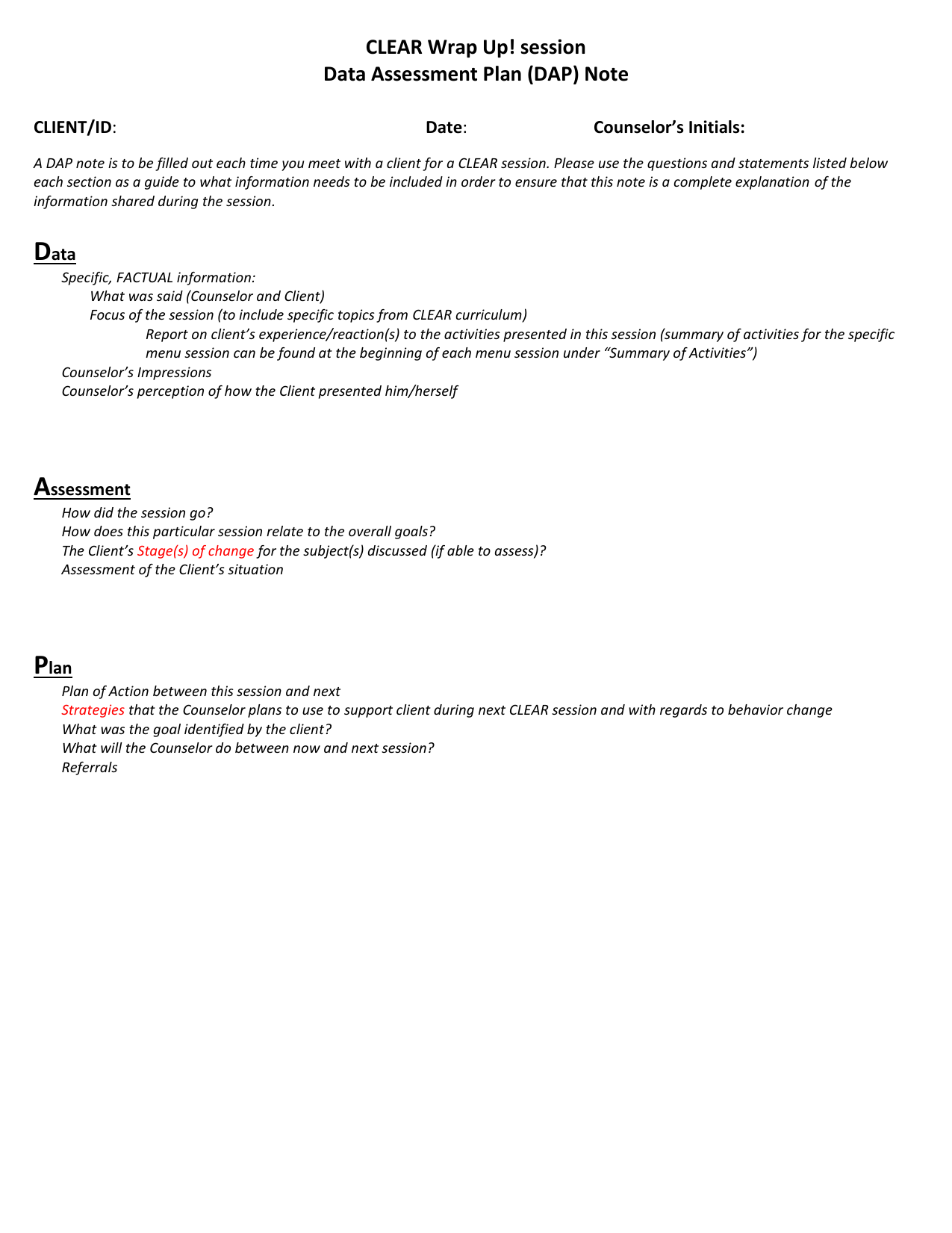
Creating a comprehensive report is a crucial part of many business functions, from marketing and sales to operations and project management. However, simply gathering data and presenting it isn't enough. A well-structured report provides valuable insights, facilitates informed decision-making, and demonstrates professionalism. That's where a robust 'Wrap Up Report Template' comes in. This template provides a framework for systematically analyzing data, identifying key trends, and presenting your findings in a clear and concise manner. It's more than just a document; it's a strategic tool for continuous improvement and achieving your organizational goals. Wrap Up Report Template is designed to streamline the report creation process, ensuring you capture the essential information and present it effectively. This guide will walk you through the key components of a successful 'Wrap Up Report Template,' covering everything from initial planning to final formatting.
Understanding the Importance of a Well-Structured Report
Before diving into the specifics of the 'Wrap Up Report Template,' it's important to understand why these reports are so valuable. Effective reporting isn't just about showing numbers; it's about translating data into actionable insights. Poorly structured reports can lead to wasted time, misinterpretations, and ultimately, missed opportunities. A clear 'Wrap Up Report Template' ensures that everyone involved understands the purpose of the report, the data being presented, and how to interpret it. It fosters collaboration, promotes accountability, and ultimately contributes to improved performance. Furthermore, a well-designed report demonstrates a commitment to data-driven decision-making, a critical attribute in today's competitive landscape. The process of creating a 'Wrap Up Report Template' is an investment in your organization's future.

The Core Components of a 'Wrap Up Report Template'
A truly effective 'Wrap Up Report Template' typically includes several key sections. Let's examine each of these in detail:

1. Executive Summary
The executive summary is arguably the most important section of the report. It's a concise overview of the entire report, highlighting the key findings, conclusions, and recommendations. It's typically written last after all other sections have been completed, allowing for a fresh perspective. A strong executive summary should be easily digestible for busy executives who may only have a few minutes to review the report. Wrap Up Report Template emphasizes the need for a compelling and impactful executive summary. It's the first thing readers will see, so it needs to grab their attention immediately. A good executive summary should clearly state the problem, the solution, and the anticipated outcomes.
2. Background and Objectives
This section provides context for the report and clearly defines the objectives that the report aims to achieve. It's crucial to establish the "why" behind the data collection and analysis. What questions were being asked? What were the goals of the project or initiative being evaluated? Clearly articulating the objectives helps readers understand the scope and relevance of the report. For example, if the report is about sales performance, this section should detail the specific sales targets, the period being analyzed, and the key performance indicators (KPIs) being tracked. Understanding the 'why' is key to interpreting the 'what' and 'how' of the data.
3. Data Collection and Methodology
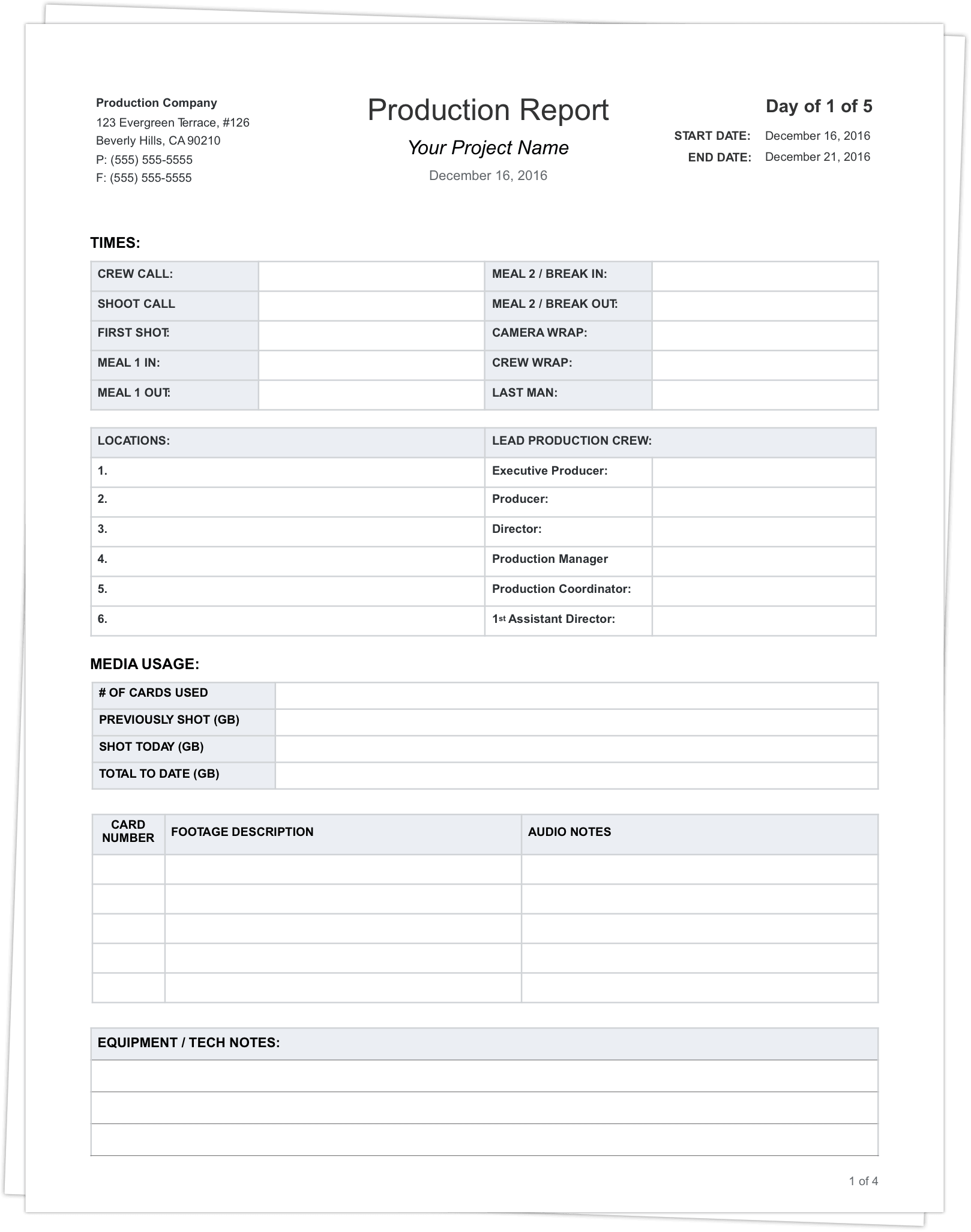
This section details how the data was collected. It's vital to provide a transparent and detailed account of the data sources, the methods used for analysis, and any limitations of the data. This section demonstrates rigor and builds trust in the report. For example, if the data was gathered from multiple sources, it's important to explain how the data was reconciled and validated. Mentioning the tools and techniques used (e.g., statistical software, survey platforms) adds credibility. A thorough methodology section is essential for ensuring the report's accuracy and reliability.
4. Key Findings and Analysis
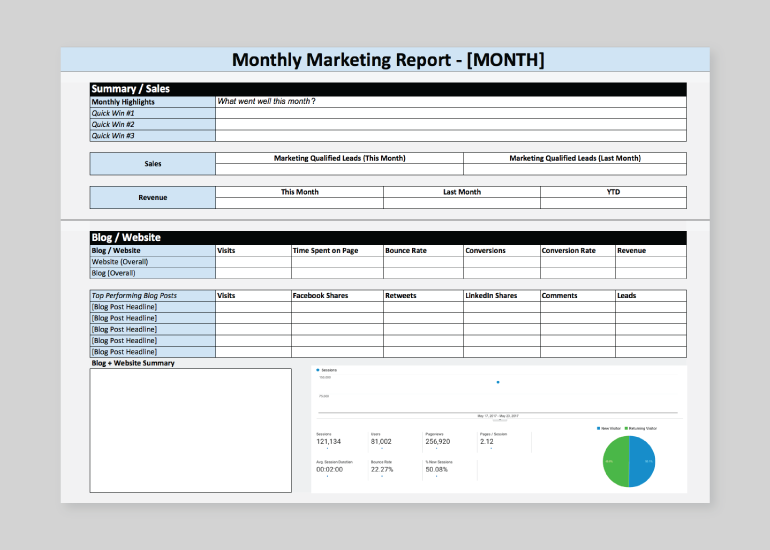
This is the heart of the 'Wrap Up Report Template'. Here, you present the key findings derived from the data analysis. Use clear and concise language to describe the results. Support your findings with data visualizations (charts, graphs) whenever possible. Don't just present the data; explain what it means. For instance, instead of saying "Sales increased," say "Sales increased by 15% compared to the previous quarter, driven primarily by the successful launch of the new product line." This level of detail is critical for understanding the significance of the findings. This section should be organized logically, often following a chronological or thematic approach.
5. Recommendations and Actionable Insights
Based on the findings, this section offers actionable recommendations. These recommendations should be specific, measurable, achievable, relevant, and time-bound (SMART). Don't just identify problems; suggest solutions. For example, "Increase marketing spend on social media by 20% to capitalize on the recent increase in online engagement." The recommendations should be directly tied to the objectives outlined in the background section. This section is where the 'Wrap Up Report Template' truly becomes a strategic tool.
6. Appendix (Optional)
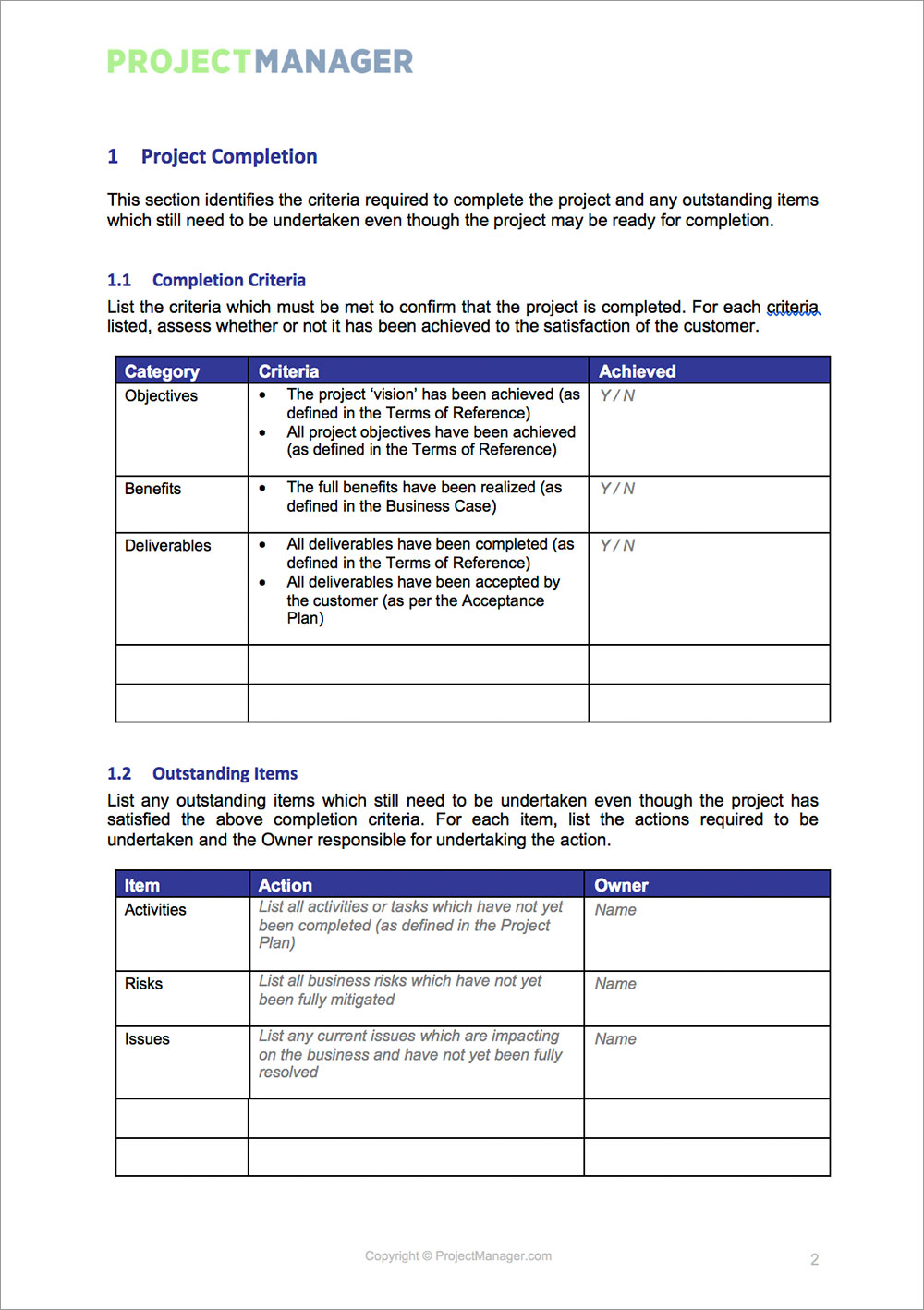
The appendix can include supplementary materials such as raw data, survey questionnaires, detailed methodology notes, or supporting documentation. However, it's generally best to keep the appendix to a minimum.
Leveraging the 'Wrap Up Report Template' for Enhanced Effectiveness
The 'Wrap Up Report Template' isn't just a static document; it's a dynamic tool that can be continuously refined and improved. Regularly reviewing and updating the template ensures that it remains relevant and effective. Consider incorporating feedback from stakeholders and using data analytics to identify areas for improvement. Automating the report creation process using tools like spreadsheets or business intelligence platforms can further streamline the workflow. Furthermore, training employees on the template's structure and content ensures consistent and high-quality reports. The key to maximizing the benefits of the 'Wrap Up Report Template' lies in its adaptability and continuous refinement.
Conclusion: The Power of Strategic Reporting
In conclusion, the 'Wrap Up Report Template' is a powerful tool for organizations seeking to improve their decision-making processes and achieve their strategic goals. By providing a structured framework for data collection, analysis, and presentation, this template empowers teams to effectively communicate insights and drive positive change. The consistent application of this template, coupled with ongoing refinement based on feedback and data analysis, will undoubtedly yield significant benefits. Ultimately, a well-crafted 'Wrap Up Report Template' is an investment in a more informed, efficient, and successful organization. Wrap Up Report Template is designed to be a foundational element of a robust reporting strategy.
Additional Resources
- [Link to a reputable SEO blog on report writing]
- [Link to a guide on data visualization]
- [Link to a template resource for report creation]
0 Response to "Wrap Up Report Template"
Posting Komentar